Introduction
When sourcing custom clothing from an overseas manufacturer, buyers often focus on one number first: the unit price.
However, price alone does not tell the full story.
MOQ, fabric selection, customization requirements, sampling, production lead time, quality control, and shipping can all affect the final cost and delivery schedule.
Understanding these factors before placing an order can make international apparel sourcing much easier.
What Does MOQ Mean?
MOQ stands for Minimum Order Quantity.
It refers to the minimum quantity a manufacturer is willing to produce for a particular product or customization project.
MOQ can vary depending on:
- Garment type
- Fabric
- Color
- Printing method
- Embroidery
- Custom labels
- Packaging
- Production requirements
For example, a highly customized garment with special fabric may require a different MOQ from a standard T-shirt with a simple logo.
Customers should always ask whether the quoted MOQ applies to the total order or to each style, color, and size combination.
Why Is the Cheapest Quote Not Always the Best?
Two factories may provide very different quotations for what appears to be the same garment.
The difference may come from:
- Fabric quality
- GSM
- Construction
- Decoration method
- Packaging
- Quality inspection
- Custom labels
- Sampling
- Production standards
For this reason, international buyers should compare specifications rather than comparing only unit prices.
A lower quotation is not necessarily cheaper if the final product does not meet the required standard.
How Should You Ask About Lead Time?
Lead time should be divided into different stages.
A typical custom apparel project may involve:
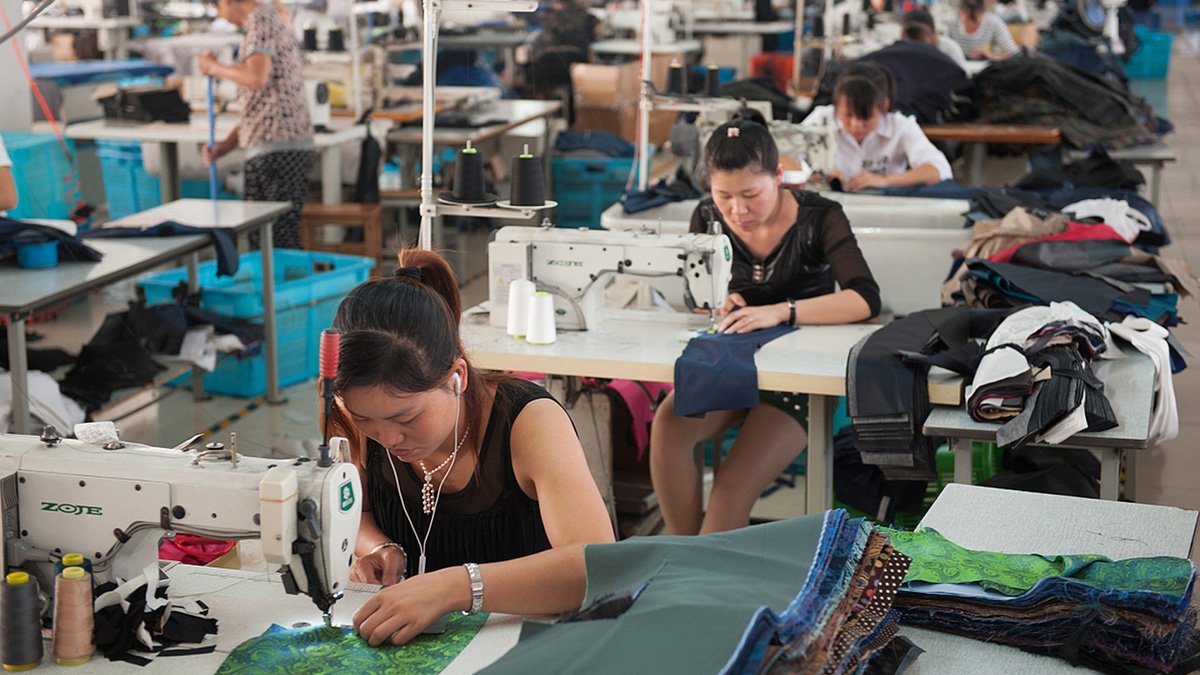
Artwork confirmation → Sampling → Sample approval → Bulk production → Quality inspection → Packing → Shipping
Each stage can affect the final delivery date.
When requesting a quotation, buyers should ask the manufacturer to provide an estimated timeline for each important stage rather than simply asking, “How many days?”
Why Is Sampling Important?
Sampling allows buyers to confirm the actual product before committing to bulk production.
A sample can reveal issues that are difficult to identify from digital images.
Customers can check:
- Fabric
- Color
- Fit
- Stitching
- Logo placement
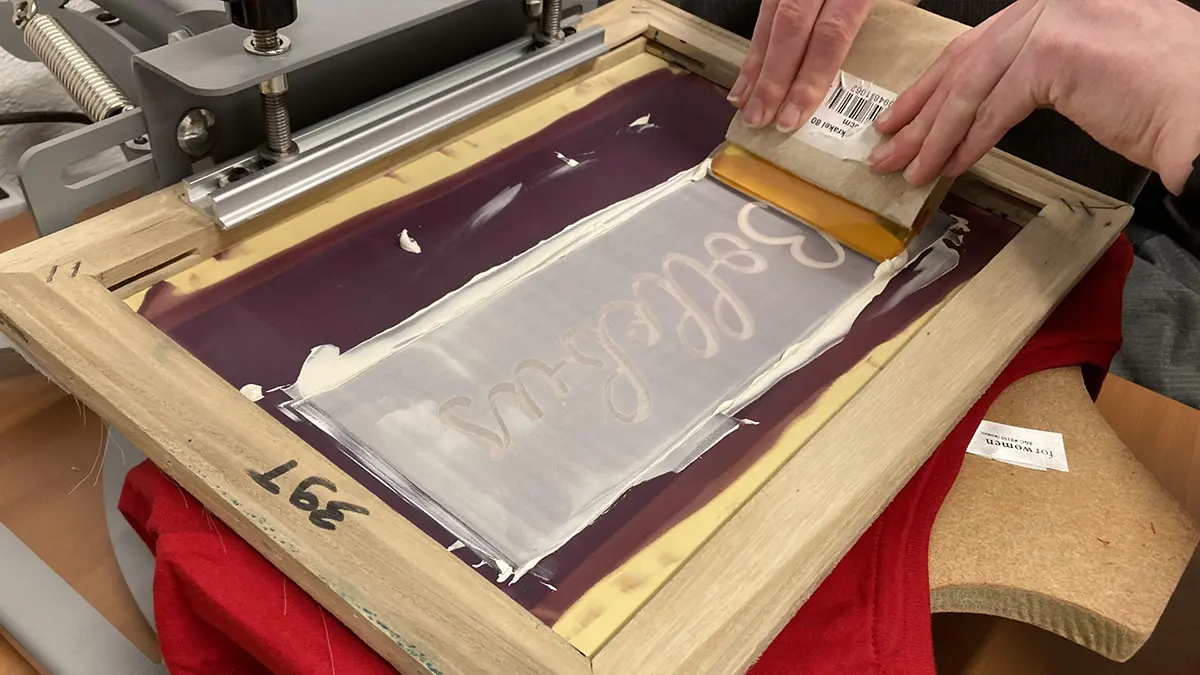
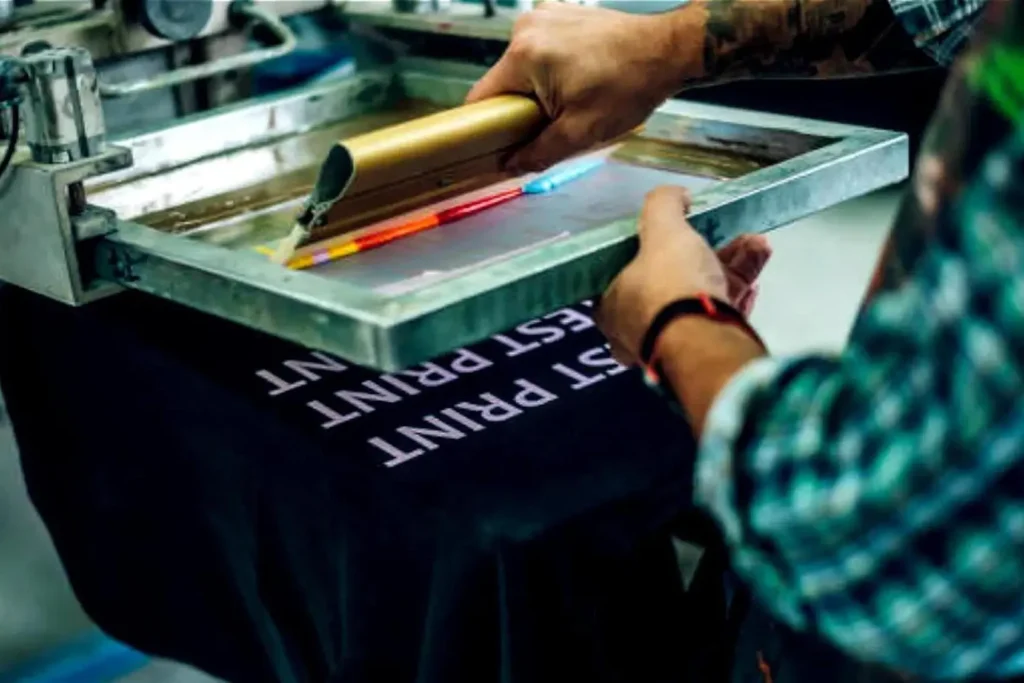
- Printing
- Embroidery
- Labels
- Finishing
Our production process can include sample confirmation before bulk production, allowing customers to make changes earlier rather than discovering problems after a large order has already been manufactured.
What Should Be Included in a Quotation?
A professional apparel quotation should be clear about what is included.
Customers should consider asking about:
- Garment price
- Fabric specification
- Decoration cost
- Sampling cost
- Custom labels
- Packaging
- MOQ
- Production lead time
- Shipping terms
- Payment terms
The more detailed the quotation is, the easier it becomes to compare different suppliers.
Ask About Quality Control
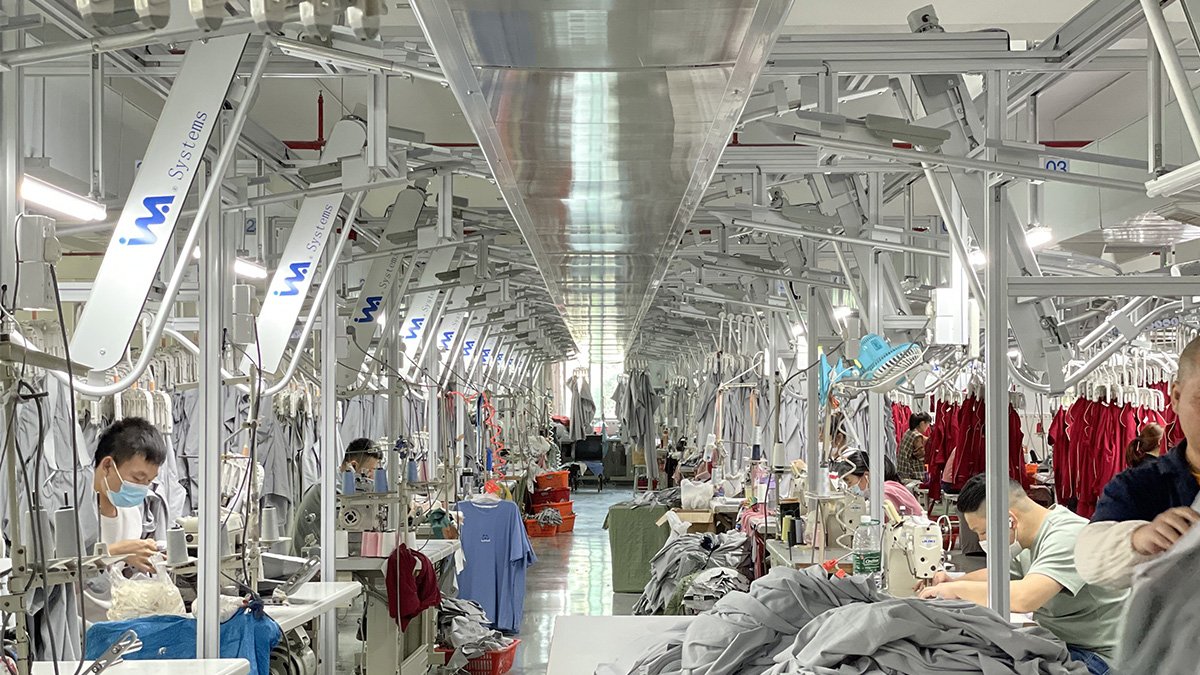
Quality control is especially important for team apparel because one order can contain hundreds of garments.
The manufacturer should have a process for checking:
- Fabric
- Color
- Measurements
- Stitching
- Printing
- Embroidery
- Names
- Numbers
- Quantity
- Packaging
Our custom clothing production service incorporates quality inspection as part of the production workflow to help ensure that the finished garments match the approved specifications.
Consider the Entire Project Cost
International buyers should calculate more than the factory unit price.
The total sourcing cost may include:
Product + customization + sampling + packaging + shipping + potential rework
A supplier with a slightly higher unit price may ultimately provide better value if it delivers consistent quality and reduces production problems.
Build a Clear Specification Sheet
One of the best ways to reduce misunderstandings is to create a detailed specification sheet before production.
It can include:
- Product photos
- Fabric composition
- GSM
- Color
- Size chart
- Logo files
- Printing method
- Logo position
- Names
- Numbers
- Quantity
- Packaging
- Delivery deadline
Our team can work with international customers to confirm these specifications before moving into bulk production.
Conclusion
MOQ, price, lead time, sampling, and quality control are all connected.
A reliable custom clothing project should not be evaluated by unit price alone.
By comparing the complete specification, production process, quality standards, timeline, and total cost, international buyers can make better sourcing decisions and build more reliable long-term relationships with apparel manufacturers.