Introduction
The appearance and feel of a garment are influenced by much more than fabric and color.
Garment washing and finishing processes can significantly change the softness, texture, color, shrinkage, and overall appearance of custom clothing.
For brands, teams, and businesses ordering customized apparel, understanding these processes can help them communicate their expectations more clearly with a manufacturer.
What Is Garment Washing?
Garment washing refers to processes performed on garments after they have been constructed or, depending on the production method, during the finishing stage.
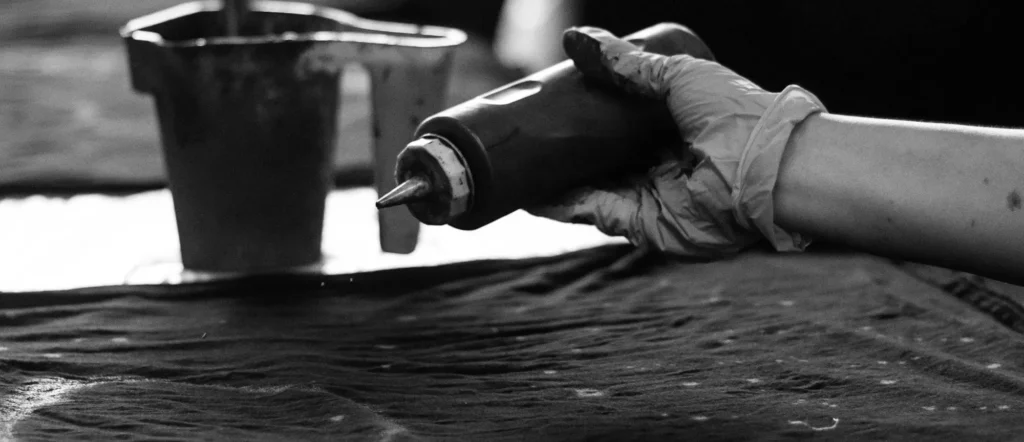
Different washing treatments can be used to create specific appearances and hand feels.
Depending on the garment, manufacturers may use processes such as:
- Soft washing
- Enzyme washing
- Stone washing
- Acid washing
- Garment dyeing
- Silicone or softening finishes
Each treatment produces different results and should be selected according to the desired product.
Why Does Washing Change the Appearance?
Fabric can change during washing because heat, moisture, chemicals, mechanical movement, and finishing agents affect the fibers and construction.
A garment may become softer after treatment.
The surface can also develop a different texture, while the color may become more washed or vintage-looking.
For certain custom clothing projects, these characteristics are part of the design rather than unwanted side effects.
Washed T-Shirts and Casual Team Apparel
Washed garments are particularly popular for casualwear and lifestyle clothing.
A team or organization that wants a relaxed appearance may choose washed T-shirts, sweatshirts, or hoodies instead of completely smooth, uniform-looking garments.
However, washing should be considered during product development rather than added at the end of the process.
The final appearance needs to be approved before bulk production.
Shrinkage Needs to Be Considered
One of the most important reasons to control washing is dimensional stability.
Fabric and finished garments can change in size after washing.
This is particularly important for cotton products.
Manufacturers may need to account for expected shrinkage during pattern development and production.
Some apparel manufacturers incorporate shrinkage allowances into patterns and conduct washing or shrinkage tests before bulk manufacturing.
For international buyers, this means the measurements of an unwashed sample should not always be treated as the final measurements after production and washing.
Washing Can Affect Decoration
Washing and decoration should also be considered together.
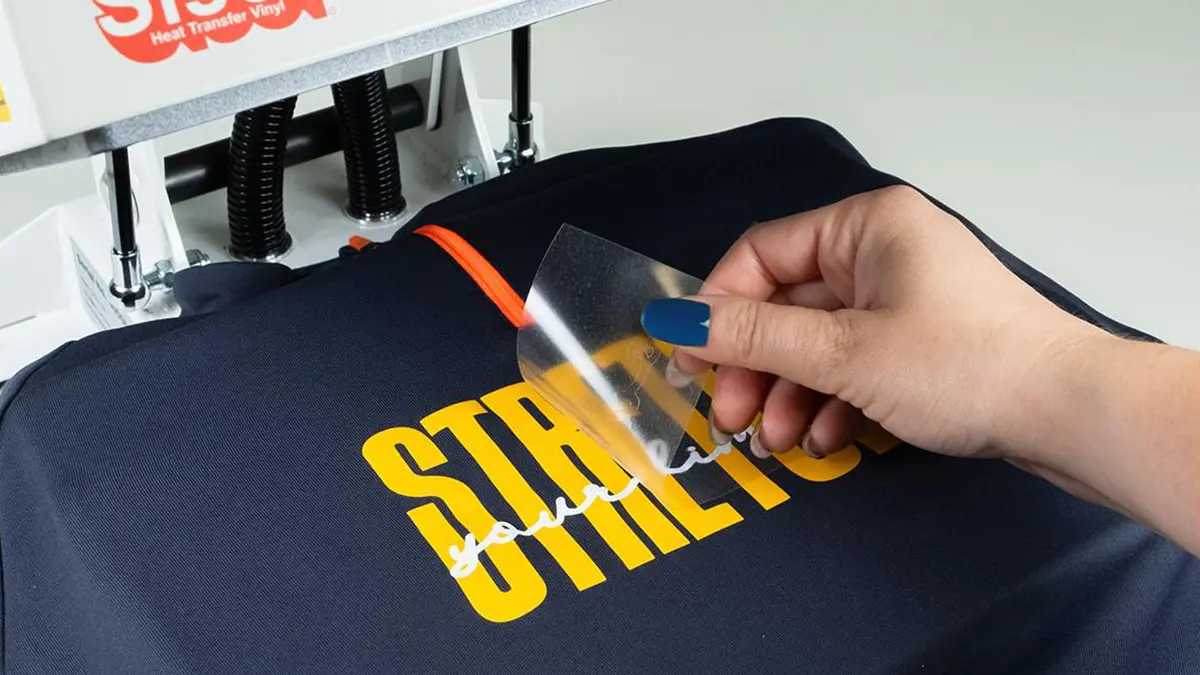
A garment with printing, embroidery, labels, or other branding elements needs to maintain the expected appearance after finishing and normal care.
For example, a vintage-style washed garment may require a different decoration strategy from a clean corporate uniform.
Our custom apparel team can evaluate the garment construction, finishing requirements, and decoration together before production.
Why Sample Approval Matters
A digital mockup cannot completely show the final effect of a washed garment.
Customers should ideally evaluate:
- Fabric hand feel
- Color
- Surface texture
- Garment measurements
- Shrinkage
- Print appearance
- Stitching
- Overall finishing
A physical sample allows these characteristics to be evaluated before a larger order is produced.
Choosing the Right Finishing Process
The appropriate finishing method depends on the desired product.
For example:
Clean corporate apparel: Minimal finishing may be preferred.
Vintage-style T-shirts: Washed or garment-dyed finishes may be appropriate.
Soft casualwear: Softening or enzyme treatments may be considered.
Heavyweight streetwear: Specific washing and finishing processes can be used to create the desired hand feel and appearance.
There is no single finishing treatment that works for every product.
Our Custom Apparel Approach
Our production team considers finishing as part of the complete garment specification.
Customers can discuss:
- Fabric
- Color
- Washing
- Hand feel
- Fit
- Decoration
- Labels
- Packaging
before bulk production begins.
This helps ensure that the final garment reflects the approved design rather than treating washing as an afterthought.
Conclusion
Garment washing and finishing can have a major impact on the appearance, comfort, texture, and dimensional stability of custom clothing.
For international buyers, the key is to define the desired result before production and confirm it through sampling.
When fabric, construction, washing, decoration, and measurements are considered together, manufacturers can create more consistent customized apparel.