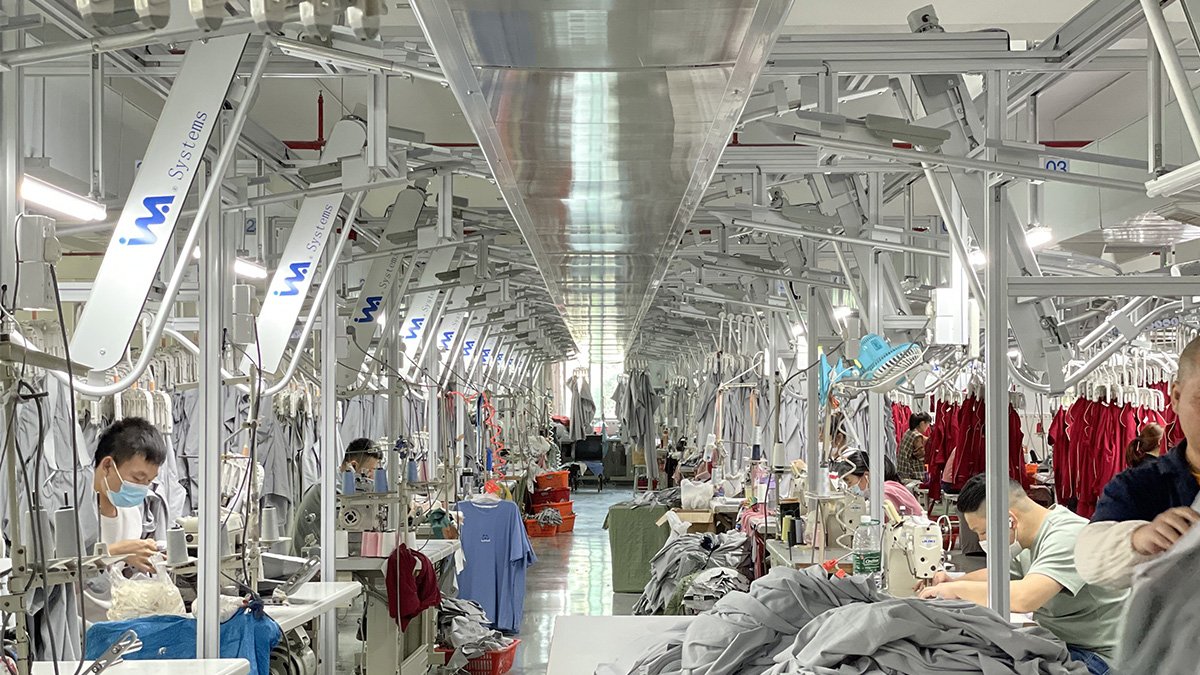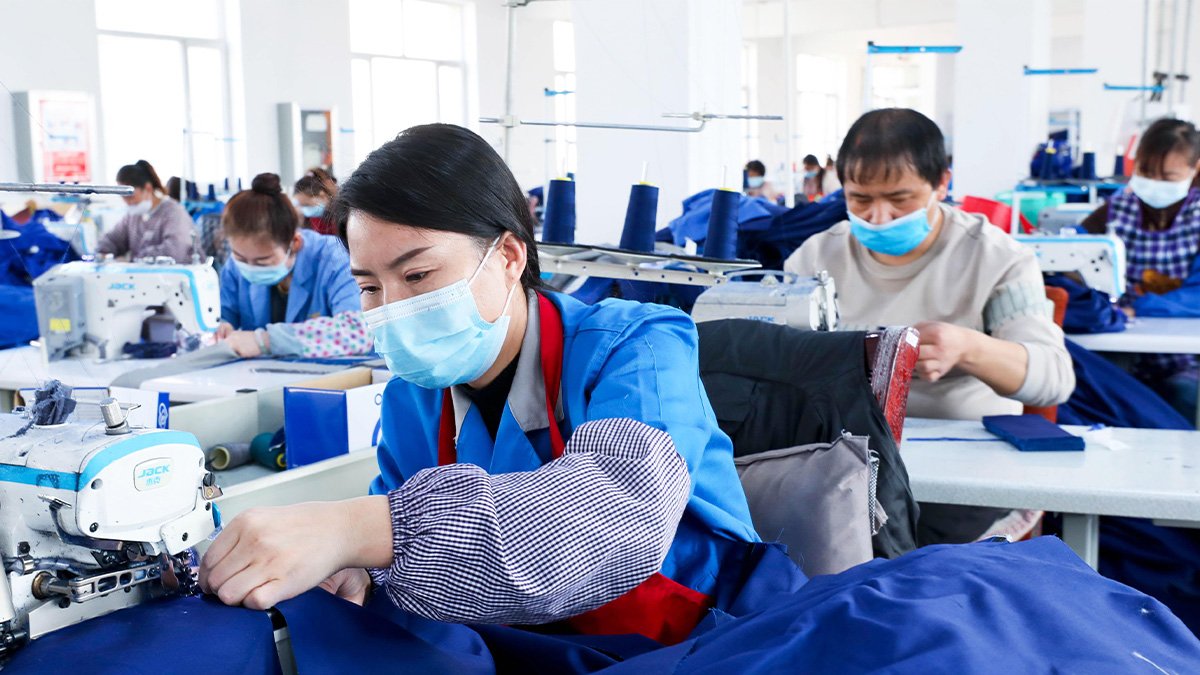
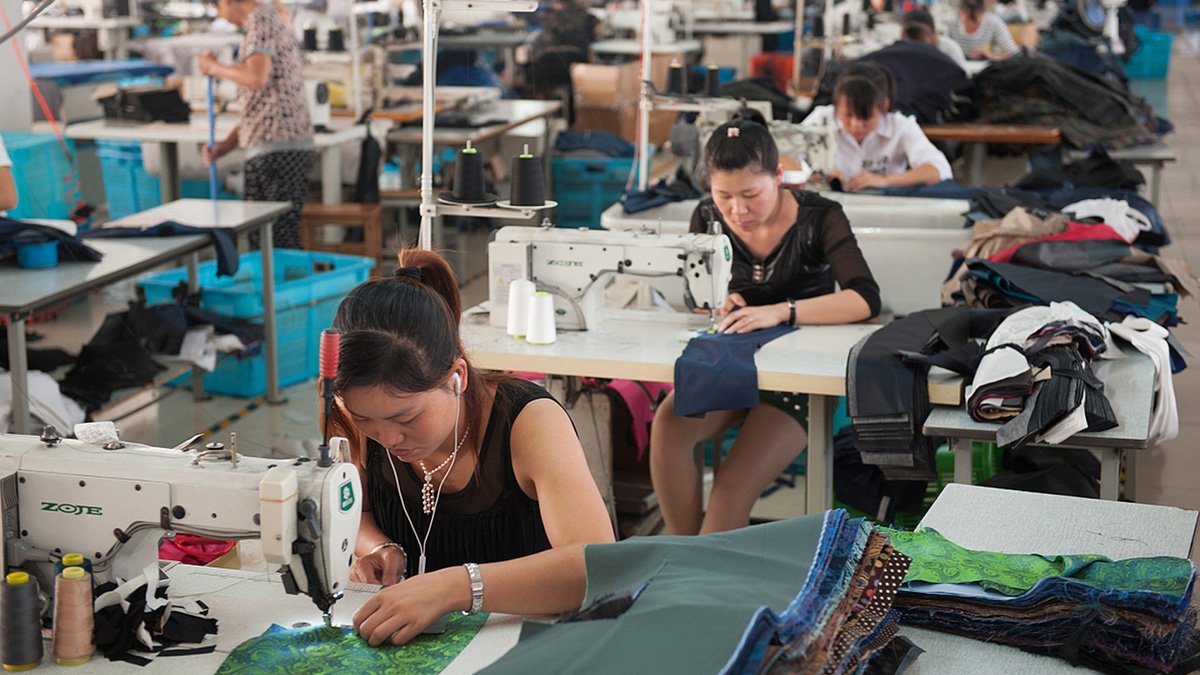

Introduction
When choosing a custom apparel manufacturer, buyers often evaluate:
- Price
- Quality
- Capacity
- Lead time
- Product range
But international apparel sourcing can also involve social compliance requirements.
These requirements may relate to working conditions, labor practices, health and safety, management systems, and other responsible-sourcing expectations.
What Is a Social Compliance Audit?
A social compliance audit is a structured assessment of a facility against defined requirements.
The exact requirements depend on the audit or certification system.
For example, WRAP certification evaluates facilities against its 12 Principles and requires corrective actions to be addressed before certification is granted.
Therefore, buyers should not assume that every “factory audit” evaluates exactly the same things.
What Areas May Be Reviewed?
Depending on the program, an audit may examine areas such as:
Working conditions
Auditors may examine workplace conditions and whether required policies and procedures are implemented.
Health and safety
This can include:
- Emergency procedures
- Fire safety
- Workplace conditions
- Safety equipment
Working hours
Records and working practices may be reviewed against the applicable requirements.
Wages and benefits
Audits may examine employment records and relevant payment practices.
Management systems
Documentation, policies, records, and corrective actions can also form part of an audit.
Why One Audit Does Not Answer Every Question
Different customers may require different systems.
A buyer may request:
- SMETA
- WRAP
- amfori BSCI
- Customer-specific audit
- Other social compliance programs
These systems should not simply be treated as identical certificates.
The buyer should identify the exact program required by the customer or market.
WRAP as an Example
WRAP certifies individual production facilities rather than brands or retailers. Its certification process involves an audit, corrective actions where necessary, and review before certification.
WRAP also provides a facility-search system where buyers can verify certified facilities.
This illustrates an important sourcing principle:
Do not rely only on a supplier’s statement that it is “certified.” Verify what is actually certified.
What Buyers Should Request
For a factory claiming social compliance certification, buyers can request:
- Certificate name
- Certificate number
- Facility name
- Facility address
- Certification scope
- Issue date
- Expiration date
- Certification body
- Latest audit information where applicable
- Corrective-action status where applicable
The exact documents available depend on the audit program.
Social Compliance Is Different from Product Quality
A factory can have strong social-compliance documentation and still need separate controls for:
- Garment measurements
- Fabric quality
- Decoration quality
- Sewing quality
- Color consistency
- Final inspection
Likewise, good product quality does not automatically prove compliance with social requirements.
These are different areas of supplier evaluation.
Why This Matters for B2B Buyers
Large corporate customers may have supplier codes of conduct or responsible-sourcing requirements.
If you are purchasing apparel for:
- Corporate uniforms
- Schools
- Sports organizations
- Retail programs
- International brands
you may need to provide information about the manufacturing facility as part of supplier onboarding.
Understanding the audit requirement early can prevent problems later.
Our Approach to Custom Apparel
For customers with social-compliance requirements, factory documentation should be discussed during supplier onboarding rather than after production begins.
Our approach is to clarify the buyer’s required audit or certification program first, then determine what documentation and production-facility information needs to be provided for the project.
This helps keep supplier qualification separate from product quality inspection while allowing both to be managed as part of the sourcing process.

Conclusion
Social compliance audits are an important part of supplier evaluation for many international apparel buyers.
However, “audited factory” is not a complete description.
Buyers should identify the exact audit or certification program, verify the facility and certificate information, and understand what the program actually covers.
That makes factory evaluation more transparent and easier to document.