Introduction
Choosing the right fabric is one of the most important decisions when ordering custom team clothing.
A design may look excellent, but if the fabric is uncomfortable, unsuitable for the activity, or incompatible with the selected decoration method, the final product may not meet expectations.
For this reason, fabric selection should happen before bulk production begins.
1. Consider How the Clothing Will Be Used
The first question is simple:
Where and how will the clothing be worn?
Sports teams usually need different performance characteristics from corporate teams.
Sportswear may require:
- Breathability
- Moisture management
- Lightweight construction
- Stretch
- Durability
Corporate apparel may prioritize:
- Professional appearance
- Comfort
- Easy maintenance
- Color consistency
- Long-term wear
Event T-shirts may focus more on comfort, branding, and cost efficiency.
2. Polyester for Performance Apparel
Polyester is widely used in sports and performance clothing because it can provide lightweight construction, durability, and suitability for sublimation printing.
For teams requiring full-color jerseys or all-over graphics, polyester-based fabrics are often a practical starting point.
Our team can help customers compare different polyester options according to the intended use and customization requirements.
3. Cotton for Casual Team Apparel
Cotton is commonly used for casual T-shirts, promotional clothing, fan apparel, and everyday teamwear.
It provides a familiar hand feel and is suitable for many casual applications.
However, customers should consider whether the garment will be used for intensive physical activity before selecting cotton as the primary fabric.
4. Blended Fabrics
Blended fabrics combine different fiber types to achieve a balance of properties.
Depending on the blend, customers may be able to achieve a combination of comfort, durability, stretch, appearance, and performance.
For corporate uniforms or multifunctional team apparel, blends can sometimes provide a practical balance between performance and everyday wearability.
5. Consider the Decoration Method
Fabric and decoration method should be evaluated together.
For example:
- Polyester performance jersey → Sublimation
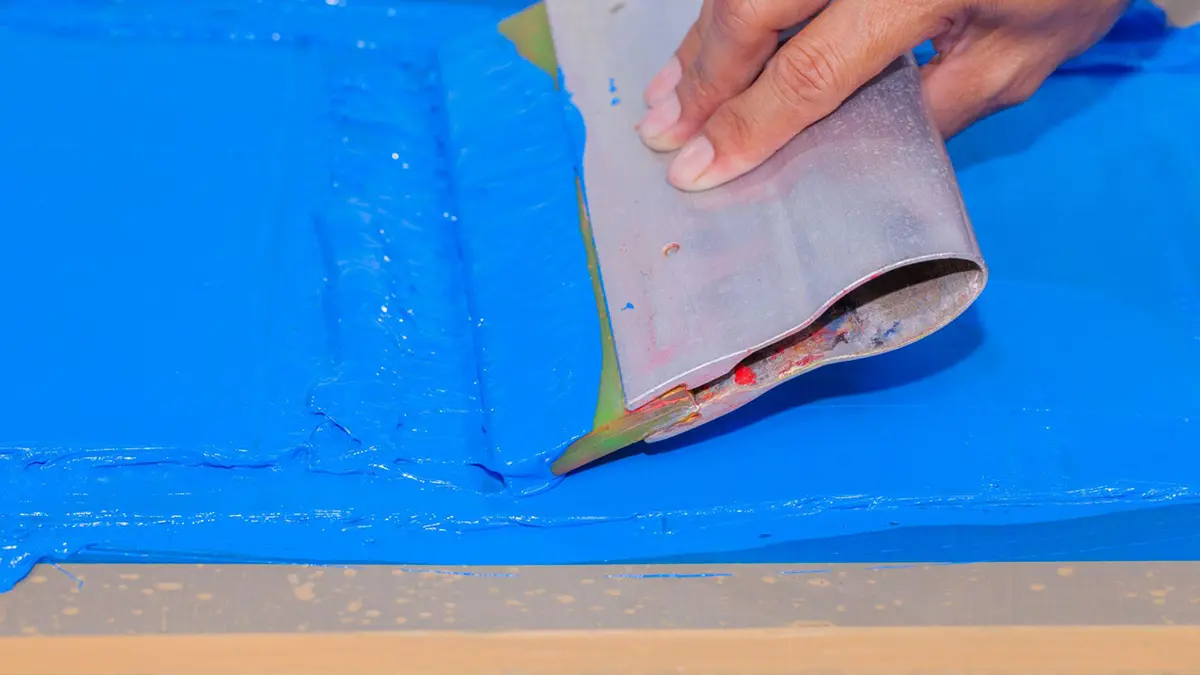
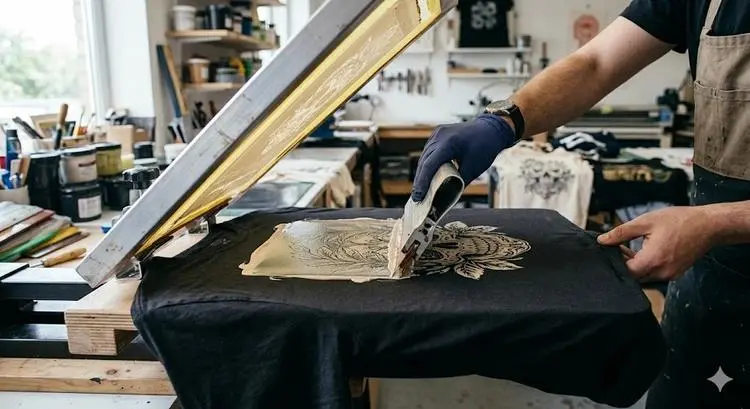
- Cotton T-shirt → Screen printing or DTF
- Polo shirt → Embroidery
- Jacket → Embroidery or suitable transfer methods
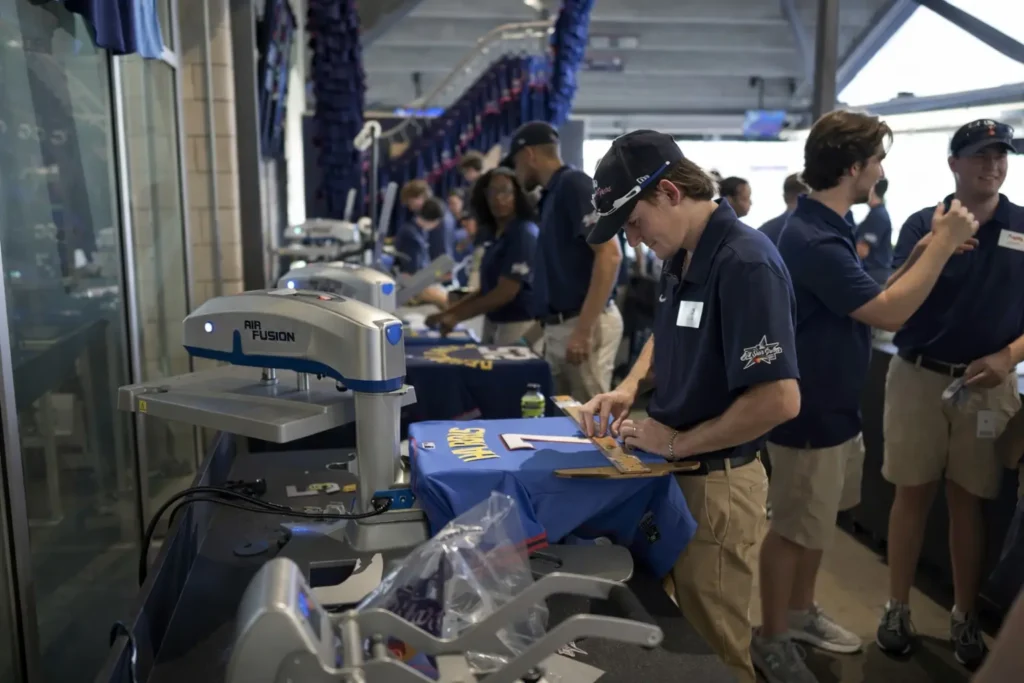
- Personalized team apparel → DTF or heat transfer
These are general recommendations. The final choice should always be confirmed according to the actual fabric and artwork.
6. Think About the Climate
The environment where the team will wear the clothing also matters.
A team competing in a hot and humid environment may prefer lightweight and breathable fabrics.
A team working outdoors in colder conditions may need heavier layers, jackets, or sweatshirts.
International customers should therefore tell the manufacturer where the clothing will be used.
7. Ask for Samples
A fabric specification sheet cannot completely replace a physical sample.
Before placing a large order, customers should evaluate:
- Fabric hand feel
- Weight
- Stretch
- Breathability
- Color
- Fit
- Decoration quality
Our production workflow can include sample confirmation before bulk production, allowing customers to make adjustments before manufacturing a larger quantity.
Building a Complete Team Apparel System
Modern team apparel is increasingly becoming a complete clothing system rather than a single uniform.
A team may require:
- Game jerseys
- Training shirts
- Shorts
- Travel jackets
- Hoodies
- Coach polos
- Fan T-shirts
- Caps
Recent 2026 teamwear industry coverage highlights this shift toward coordinated apparel programs covering competition, training, travel, layering, and fan apparel.
Choosing fabrics separately for each product can help ensure that every garment performs its intended role.
Conclusion
The right fabric depends on the activity, climate, comfort requirements, decoration method, budget, and expected lifespan of the garment.
Instead of choosing fabric based only on appearance or price, teams should evaluate the complete application.
Our custom apparel service helps international customers coordinate fabric selection, garment customization, artwork, decoration, production, and quality inspection to create a more consistent team apparel program.