
The global apparel supply chain is changing.
For years, many brands focused heavily on finding the lowest manufacturing cost.
In 2026, however, apparel sourcing decisions increasingly involve a wider set of factors:
- tariffs
- lead times
- logistics
- supplier capabilities
- raw material access
- production flexibility
- compliance
- supply-chain resilience
This does not mean that one manufacturing country is replacing another.
Instead, companies are reconsidering how they balance cost, risk, capacity, and reliability.
The Rise of Supply Chain Diversification
The concept often described as China+1 involves maintaining Chinese production while developing additional manufacturing capacity in other countries.
The objective is not necessarily to completely leave China.
Instead, companies may attempt to avoid depending on a single production location.
A September 2026 analysis from Financial Express reported that global textile trade had expanded while India’s textile and apparel exports had remained relatively stagnant, and identified supply-chain diversification as one factor potentially benefiting countries such as India.
Why Companies Are Diversifying
Several factors can influence sourcing decisions:
Tariffs
Changes in import duties can alter the landed cost of apparel.
A product that appears inexpensive at the factory level may become less competitive after duties, freight, insurance, and other costs are included.
Logistics
Longer or less predictable transportation routes can create inventory problems.
For companies operating on seasonal product cycles, timing can be nearly as important as unit price.
Geopolitical Risk
International trade relationships can change.
This encourages some businesses to develop alternative suppliers or manufacturing locations.
But Moving Production Is Not Always Simple
One of the most interesting developments in 2026 is that supply-chain diversification does not automatically mean manufacturing will permanently move away from established industrial centers.
A September 2026 Reuters report described companies that had moved production away from China in response to tariff concerns but later reconsidered those decisions because alternative locations could lack China’s combination of supplier networks, skilled labor, infrastructure, and manufacturing ecosystem.
This highlights an important point:
Factory price is only one part of manufacturing competitiveness.
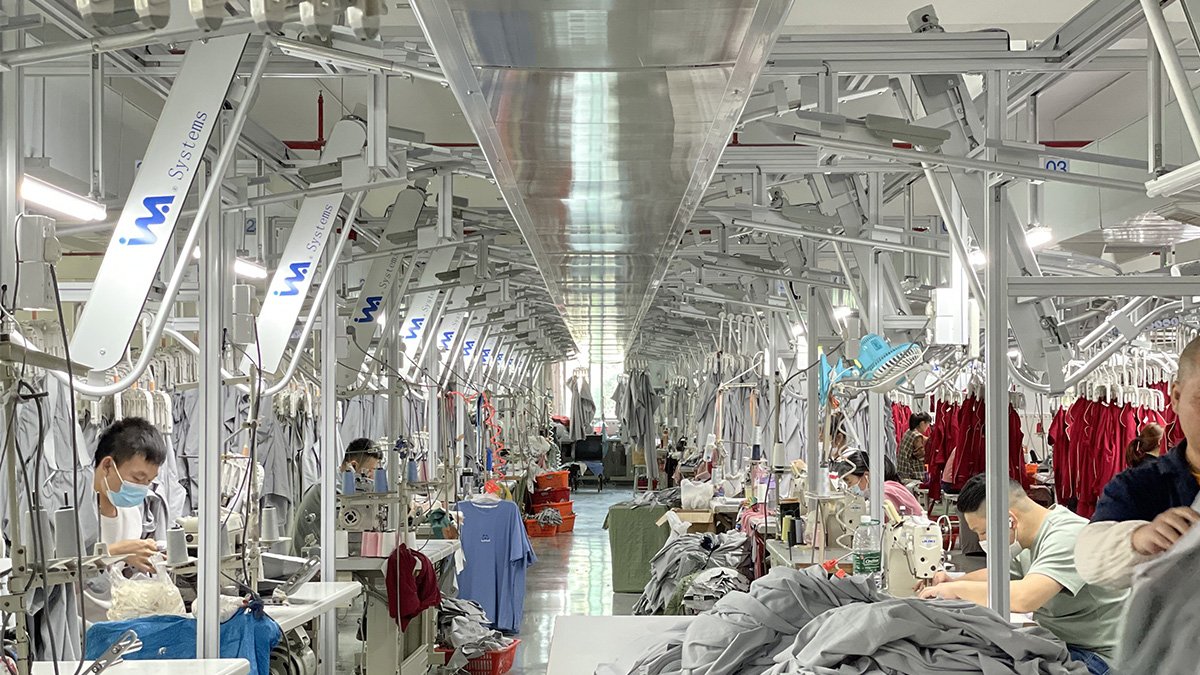
The Manufacturing Ecosystem Matters
A mature apparel manufacturing ecosystem can contain:
- fabric suppliers
- dyeing factories
- trim suppliers
- printing facilities
- embroidery providers
- packaging suppliers
- logistics companies
- machinery technicians
- sample developers
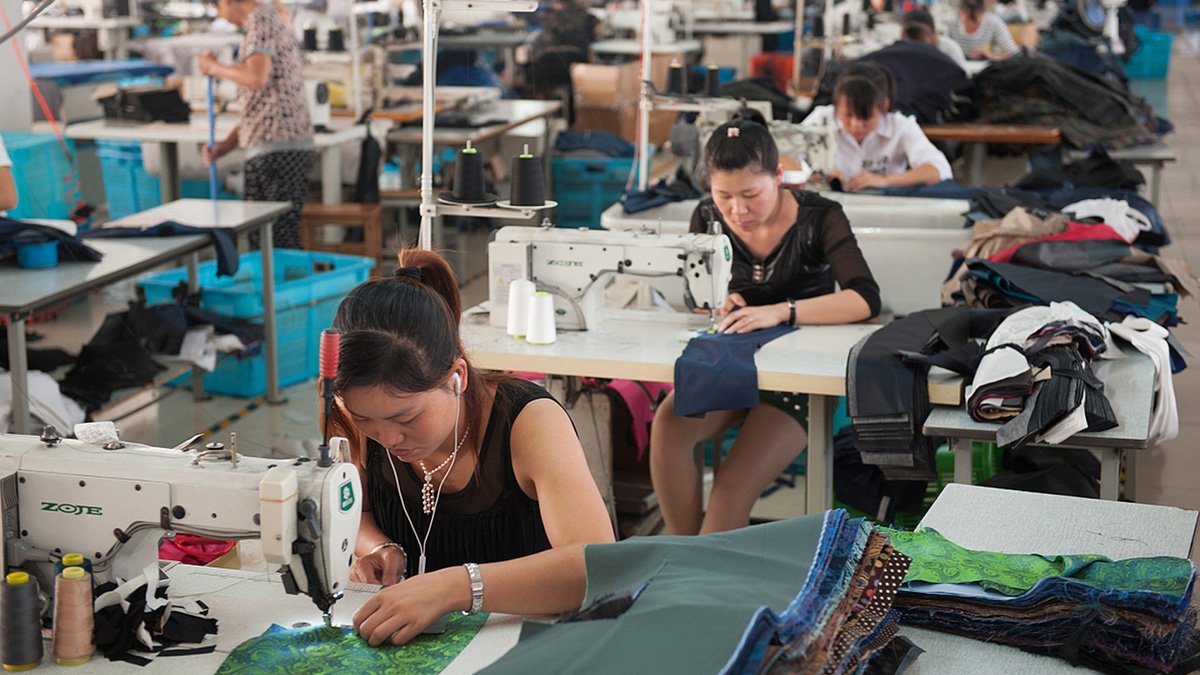
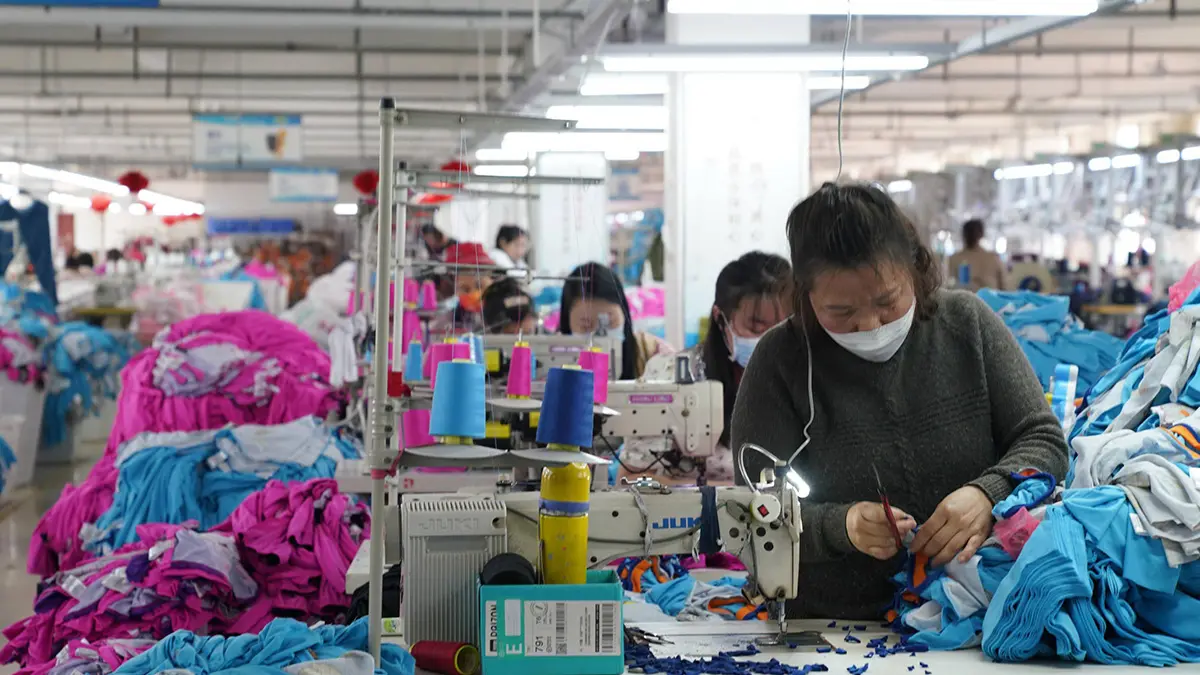
- skilled sewing workers
When these resources are located relatively close together, manufacturers can respond quickly to changes.
This can be particularly valuable for custom apparel.
Custom Apparel Has Different Sourcing Needs
A large standardized garment program may be relatively easy to move between factories.
Custom apparel can be more complicated.
A custom order may require:
- artwork development
- sampling
- fabric sourcing
- custom colors
- printing
- embroidery
- labels
- special trims
- multiple sizes
- customized packaging
The supplier therefore needs more than a low production price.
The manufacturer needs an ecosystem capable of supporting the entire project.
Nearshoring Is Also Becoming More Important
Another trend is nearshoring—placing production closer to the final market.
The benefits can include:
- shorter transportation distances
- faster replenishment
- easier communication
- reduced inventory exposure
- potentially faster response to market changes
A September 2026 Textile World analysis discussed how sourcing volatility is causing brands to evaluate materials and manufacturing not only by cost but also by traceability, lead time, compliance, and supply-chain performance.
Does This Mean Chinese Apparel Manufacturing Is Disappearing?
The available evidence does not support such a simple conclusion.
Instead, the current market shows multiple strategies developing simultaneously.
Some companies diversify.
Some increase production in alternative countries.
Some maintain significant Chinese production.
Some reconsider previous relocation decisions.
This means buyers may increasingly use a multi-factor sourcing strategy rather than relying on one universal model.
What Should Custom Apparel Buyers Compare?
When evaluating suppliers, buyers can compare:
| Factor | What to Examine |
|---|---|
| Unit price | Factory quotation and total landed cost |
| Lead time | Production + transportation |
| Product range | Ability to support different garment types |
| Customization | Printing, embroidery, labels, trims |
| Material sourcing | Fabric availability and consistency |
| Quality | Inspection and testing procedures |
| Flexibility | Ability to handle changes |
| Communication | Response speed and technical clarity |
| Supply chain | Availability of supporting suppliers |
| Reorders | Ability to reproduce previous products |
This gives a more realistic picture than comparing factory prices alone.
What This Means for Our Custom Apparel Service
For B2B custom clothing projects, the objective is not simply to manufacture garments at a low unit cost.
The production process needs to connect design, materials, customization, quality control, and delivery.
Our custom apparel team can work with buyers to translate product requirements into manufacturing specifications and coordinate the production process around those requirements.
For repeat customers, maintaining clear specifications and approved samples can also make future reorders more predictable.
The Future of Apparel Sourcing
The global apparel industry is unlikely to move toward one single manufacturing model.
Instead, buyers may increasingly combine:
cost + quality + speed + flexibility + supply-chain resilience
when evaluating suppliers.
This creates opportunities for manufacturers that can provide not only competitive production but also reliable communication, customization capabilities, quality consistency, and organized production management.

Final Thoughts
The biggest change in apparel sourcing in 2026 may not be the rise of one specific manufacturing country.
It is the increasing recognition that sourcing decisions involve an entire supply chain.
For custom apparel buyers, the most useful question is therefore not simply:
“Which factory has the lowest price?”
It is:
“Which supplier can reliably deliver the product I need under the conditions my business actually faces?”
That broader approach can help buyers make more informed sourcing decisions as the global apparel industry continues to change.