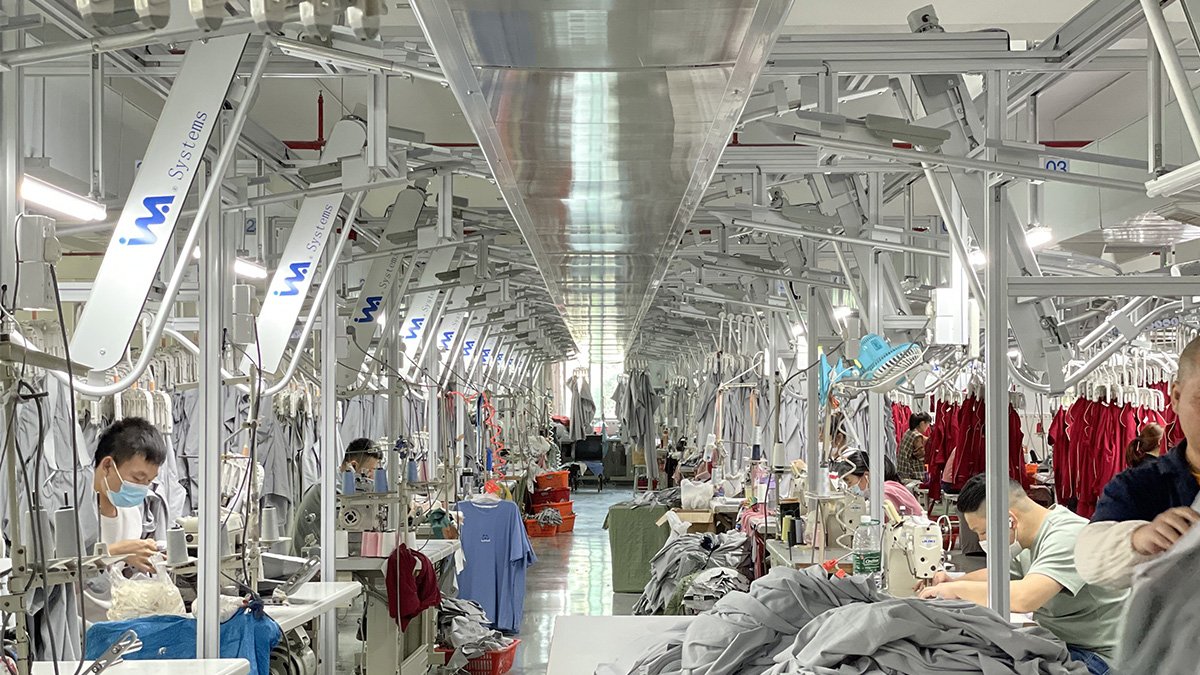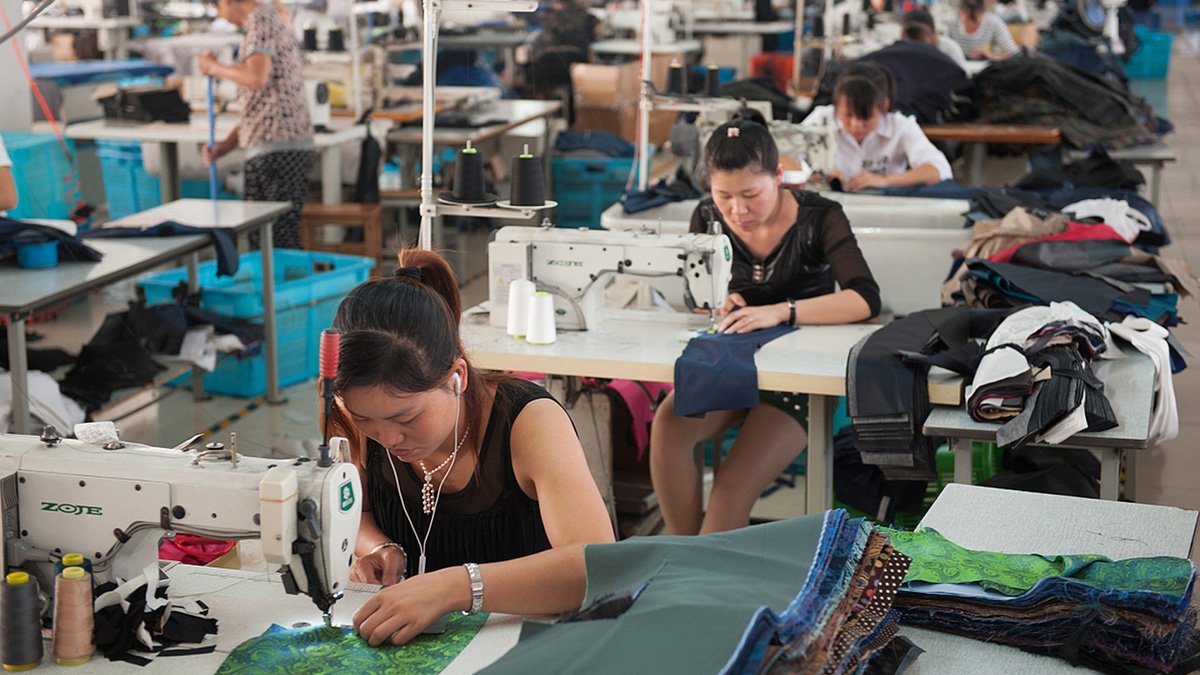
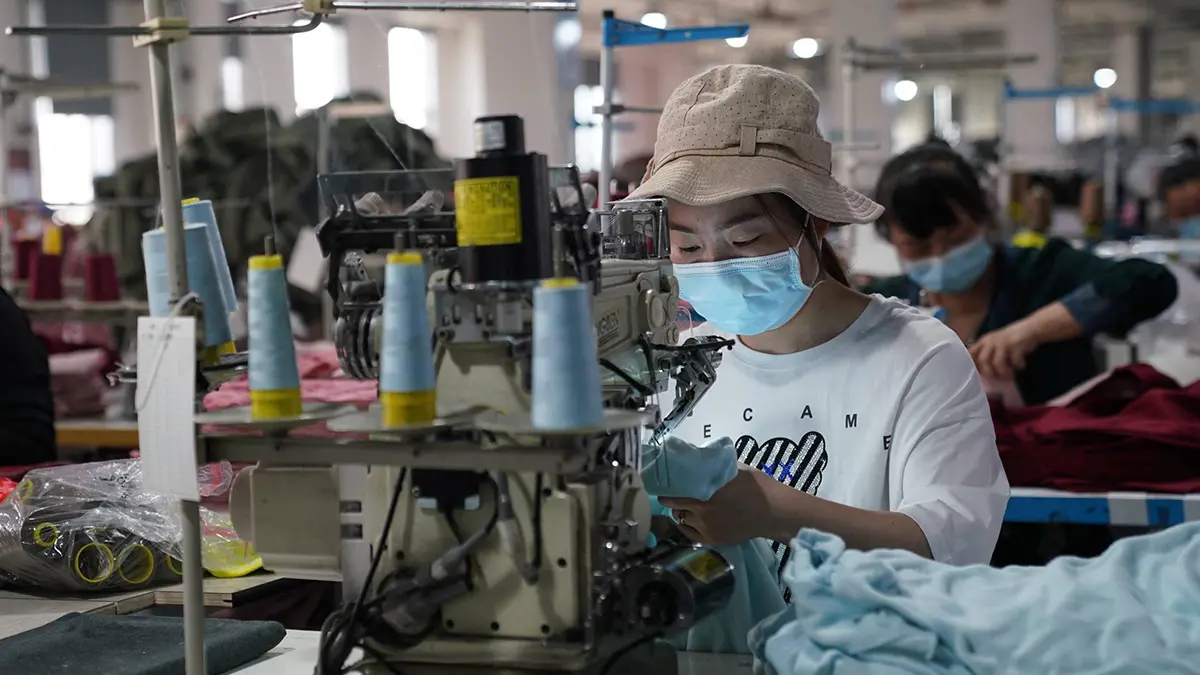
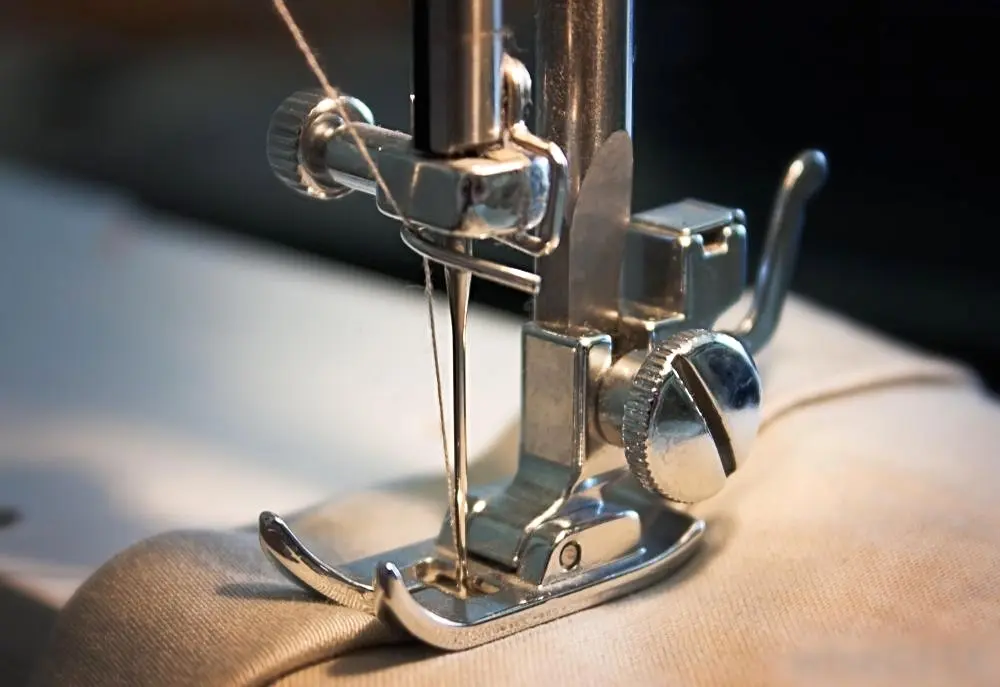
When people evaluate the quality of a garment, they often look at the fabric, printing, embroidery, color, and overall appearance.
But a garment can use excellent fabric and still fail if its seams cannot withstand the forces generated during normal use.
This is why seam strength is an important consideration in custom clothing manufacturing.
A seam connects two or more pieces of fabric. During wear, the seam can experience pulling, stretching, bending, and repeated movement.
If the construction is not appropriate for the garment, the seam can eventually open or rupture.
What Is Seam Strength?
Seam strength refers to the force required to cause a sewn seam to fail under a defined test condition.
It is different from the tensile strength of the fabric itself.
A fabric may be strong, but the finished garment contains many sewn connections.
These connections introduce additional variables, including:
- stitch type
- stitch density
- thread
- seam allowance
- fabric structure
- sewing tension
- seam construction
- garment design
Therefore, testing the fabric alone does not necessarily tell you how strong the finished garment will be.
Why Seams Fail
A seam can fail for several reasons.
Excessive Tension
If a garment is too tight or repeatedly stretched, the seam may experience more force than intended.
Incorrect Stitching
An unsuitable stitch structure or incorrect machine settings can reduce seam performance.
Thread Problems
Thread strength, thread type, and thread tension can all influence the finished seam.
Insufficient Seam Allowance
If the seam does not contain enough material around the stitching area, the fabric can pull away from the stitch line.
Fabric Slippage
Some woven fabrics can experience yarn movement near the seam when subjected to tension.
This means seam performance depends on the interaction between the fabric and the sewing construction.
The New ISO 13935-2:2026 Standard
In April 2026, the International Organization for Standardization published ISO 13935-2:2026, covering the determination of the maximum force required to cause seam rupture using a grab test. The standard applies to certain woven textile fabrics and sewn textile articles, including some stretch-related constructions.
The test applies force perpendicular to the seam and measures the maximum force before rupture.
This provides a more objective way of discussing seam performance than simply saying:
“The stitching is strong.”
Seam Strength Is Not the Same as Fabric Strength
This distinction is important for apparel buyers.
Suppose a fabric has excellent tensile strength.
If the stitching is weak, the garment may still fail at the seam.
Conversely, improving the seam does not automatically make every part of the garment stronger.
A complete garment specification should therefore consider both:
fabric performance + seam performance
rather than focusing on only one.
Different Garments Have Different Requirements
A casual promotional T-shirt may experience relatively low mechanical stress.
A work jacket may experience much higher stress.
A sports uniform may repeatedly stretch during movement.
A pair of work trousers may experience substantial stress around the pockets, seat, knees, and crotch.
Therefore, the appropriate seam construction should reflect the intended application.
High-Stress Areas
Some garment areas deserve particular attention.
Examples include:
- shoulder seams
- armholes
- crotch seams
- side seams
- pocket openings
- waistband connections
- sleeve attachment areas
The exact high-stress locations depend on the garment design and how it will be used.
Testing the Finished Garment
For certain products, testing fabric swatches alone may not provide enough information.
A buyer may want to evaluate the actual sewn construction.
This is especially useful when developing:
- uniforms
- workwear
- sportswear
- outdoor apparel
- garments designed for repeated use
ISO 13935-2:2026 specifically describes testing sewn seams rather than treating seam performance as identical to general fabric strength.
What Buyers Should Ask Manufacturers
When durability is important, buyers can ask:
- What seam construction is used?
- What thread specification is used?
- Which areas are reinforced?
- Is seam strength tested?
- Which test method is used?
- Is the test performed on the actual garment construction?
- What acceptance requirement is being used?
These questions create a more measurable production specification.
Our Approach to Custom Apparel
For custom clothing projects where durability is important, our production team can consider seam construction together with fabric and garment design.
Instead of treating stitching as a purely cosmetic process, the production specification can take into account how the garment will actually be worn.
This is particularly relevant for teamwear, uniforms, workwear, and garments that are expected to withstand repeated movement.
Final Thoughts
Seam strength is one of the less visible characteristics of garment quality.
Customers may not notice a strong seam when they first receive a product, but they will certainly notice when a seam begins to fail.
For B2B custom apparel buyers, defining seam requirements during product development can help create garments that are better suited to their intended use.