Introduction
Custom apparel can be decorated using many different technologies.
While DTF and screen printing are commonly discussed, heat transfer and Direct-to-Garment (DTG) printing can also be useful depending on the product and artwork.
Understanding the differences between these methods can help buyers select a more appropriate production solution.
What Is Heat Transfer?
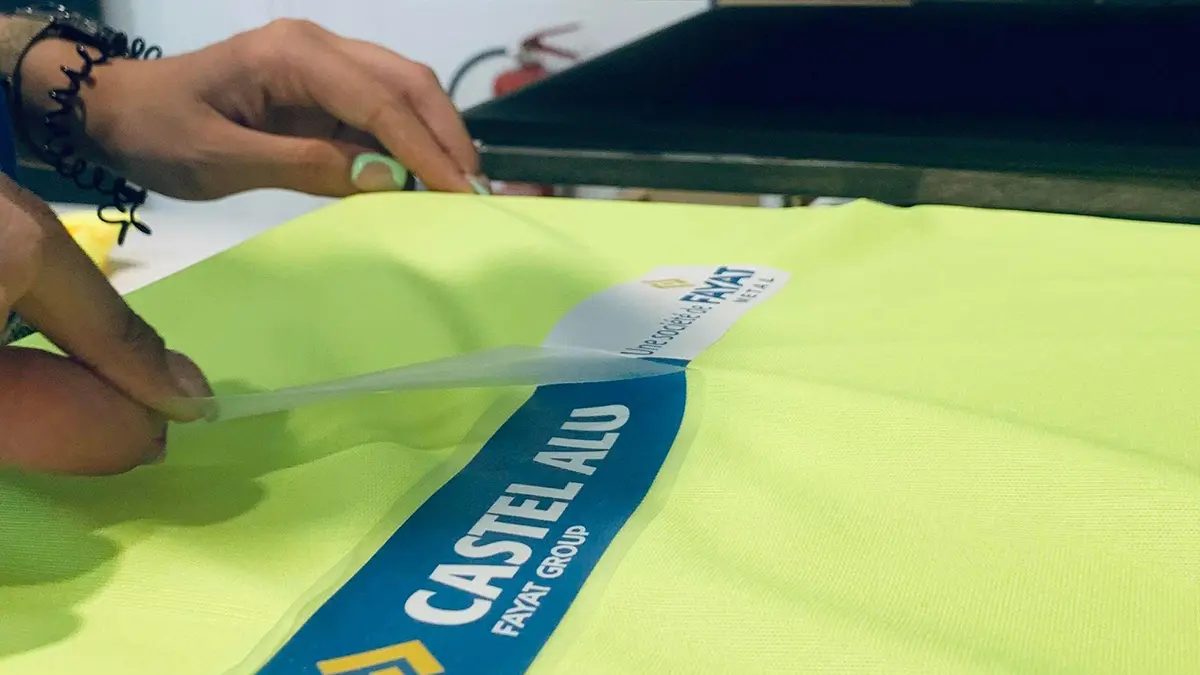
Heat transfer is a broad category of decoration methods in which a design is transferred onto a garment using heat and pressure.
Depending on the application, the transfer can contain logos, text, numbers, names, or graphics.
Heat transfer is particularly useful for customization because individual garments can carry different information without requiring a completely different production setup for every piece.
For team apparel, this can be useful when different players need individual names and numbers.
What Is DTG Printing?
DTG stands for Direct-to-Garment.
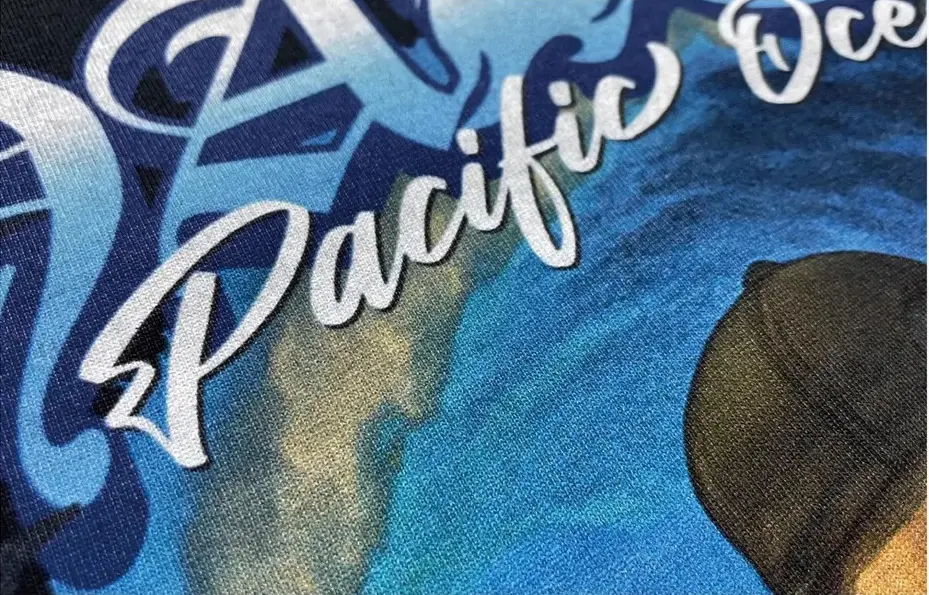
Instead of printing a design onto transfer material first, DTG technology applies specialized ink directly onto the garment.
The technique is particularly associated with detailed, full-color graphics.
This can make it useful for artwork containing:
- Multiple colors
- Illustrations
- Gradients
- Fine details
- Small-batch designs
When Can Heat Transfer Be Useful?
Heat transfer can be practical when customization is more important than producing a large number of identical garments.
For example, a team might order:
- 20 shirts
- Different player names
- Different numbers
- One team logo
- Several garment sizes
A transfer-based solution can make this type of personalization easier to manage.
It can also be useful for promotional garments, event apparel, workwear, and customized uniforms.
When Can DTG Be Useful?
DTG can be considered when the garment and artwork are suitable for direct digital printing.
It is particularly interesting for detailed designs and smaller production quantities where creating traditional screens may not be practical.
However, DTG performance depends on the garment material, garment color, pretreatment, artwork, and production equipment.
Therefore, the technology should be evaluated together with the actual garment rather than selected independently.
Artwork Makes a Difference
The same design can require different production methods depending on the garment.
For example, a simple one-color company logo does not necessarily require a complex digital printing process.
A photographic illustration may require a different approach.
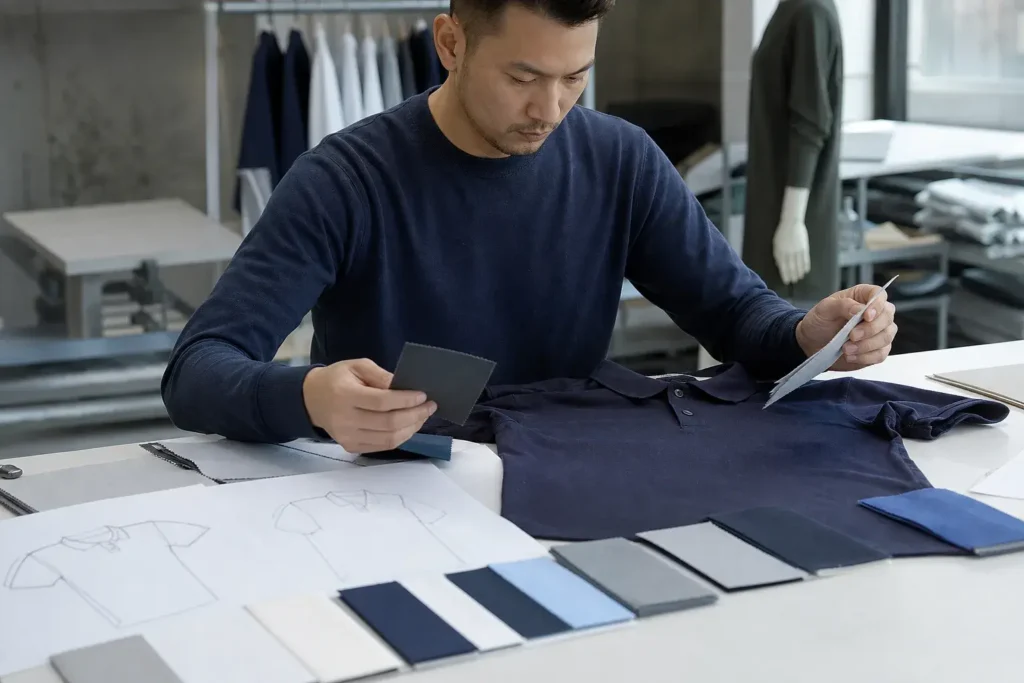
Our custom apparel team reviews artwork together with the garment type and production quantity before confirming the appropriate decoration method.
Heat Transfer vs. DTG
A simple comparison:
| Requirement | Heat Transfer | DTG |
|---|---|---|
| Individual names | Suitable | Possible |
| Player numbers | Suitable | Possible |
| Detailed graphics | Depends on transfer type | Strong use case |
| Small personalized orders | Suitable | Suitable |
| Large identical orders | Depends on project | Depends on project |
| Full-color artwork | Possible | Suitable |
| Garment compatibility | Depends on material | Depends on garment and ink system |
These are general guidelines.
Actual production results depend on the equipment, garment, ink or transfer material, artwork, and finishing process.
Why Testing Matters
A digital design shown on a computer screen does not always look identical on fabric.
Texture, garment color, fabric composition, and finishing can affect the final result.
For this reason, customers should consider sample testing before placing a large custom apparel order.
Our Custom Apparel Production
Our production workflow allows customers to confirm:
- Garment type
- Artwork
- Decoration method
- Placement
- Colors
- Size
- Sample
- Bulk specifications
before larger-scale production.
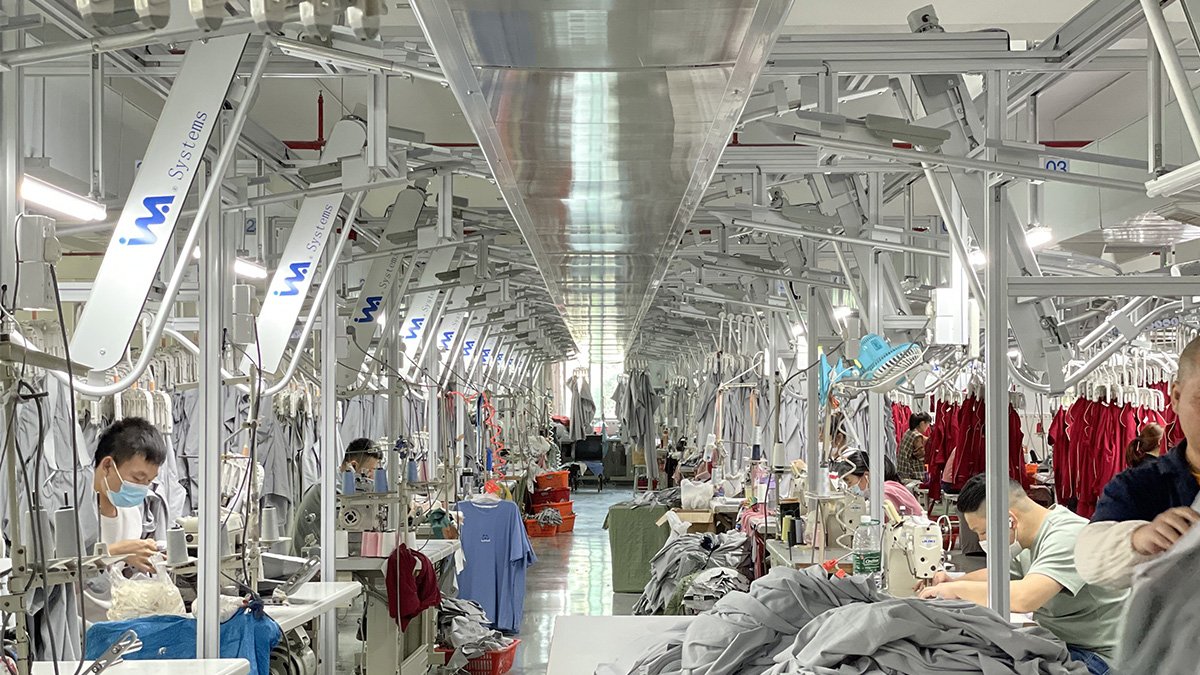
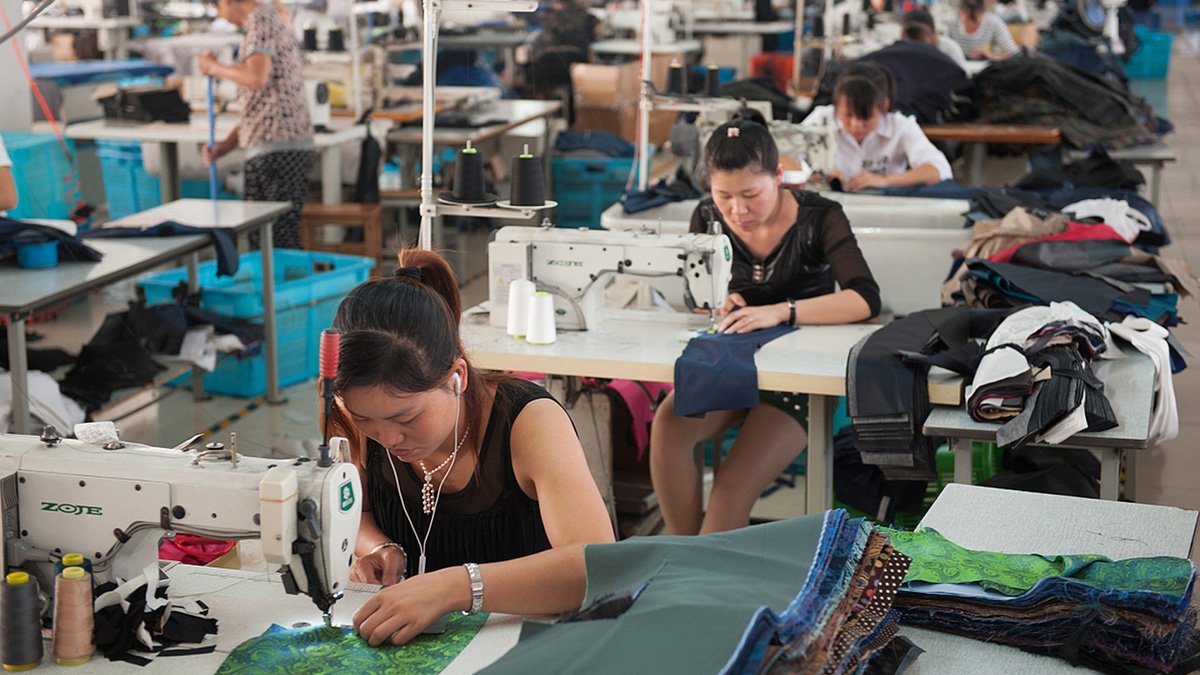
This is particularly useful for international customers who need consistent results across a customized order.
Conclusion
Heat transfer and DTG can both provide useful solutions for custom apparel, but they are designed for different production situations.
The correct choice depends on artwork, garment material, personalization requirements, quantity, and expected appearance.
Rather than selecting a printing technology based only on popularity, buyers should evaluate the complete production requirement.