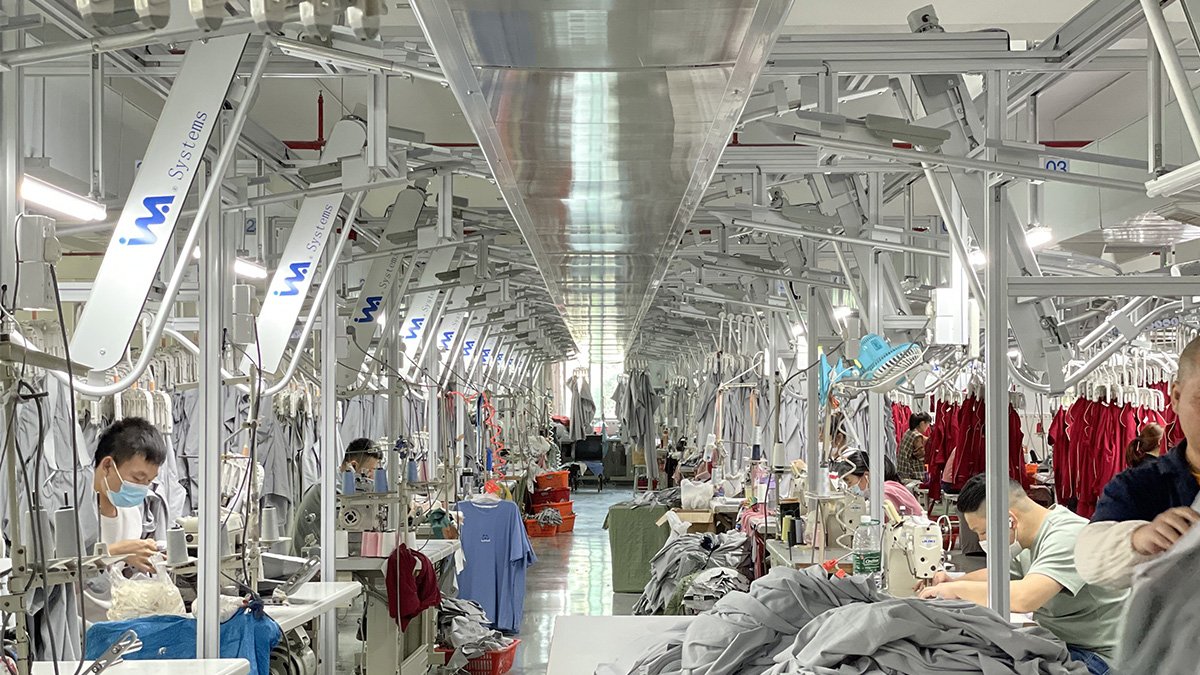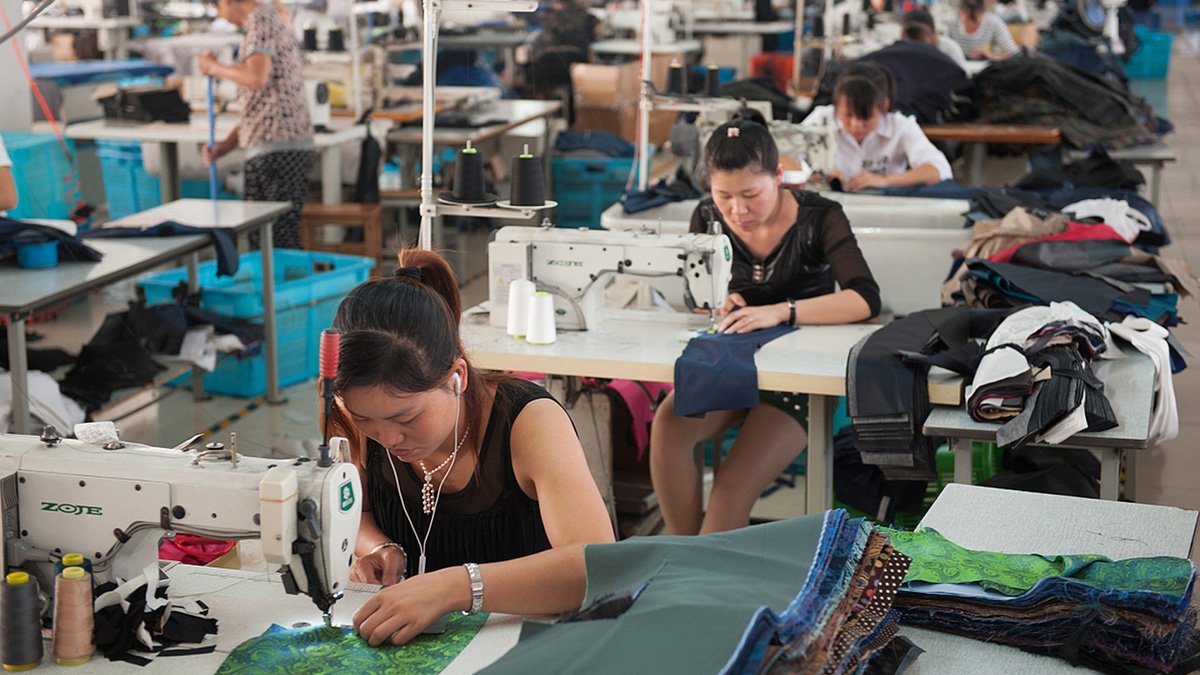
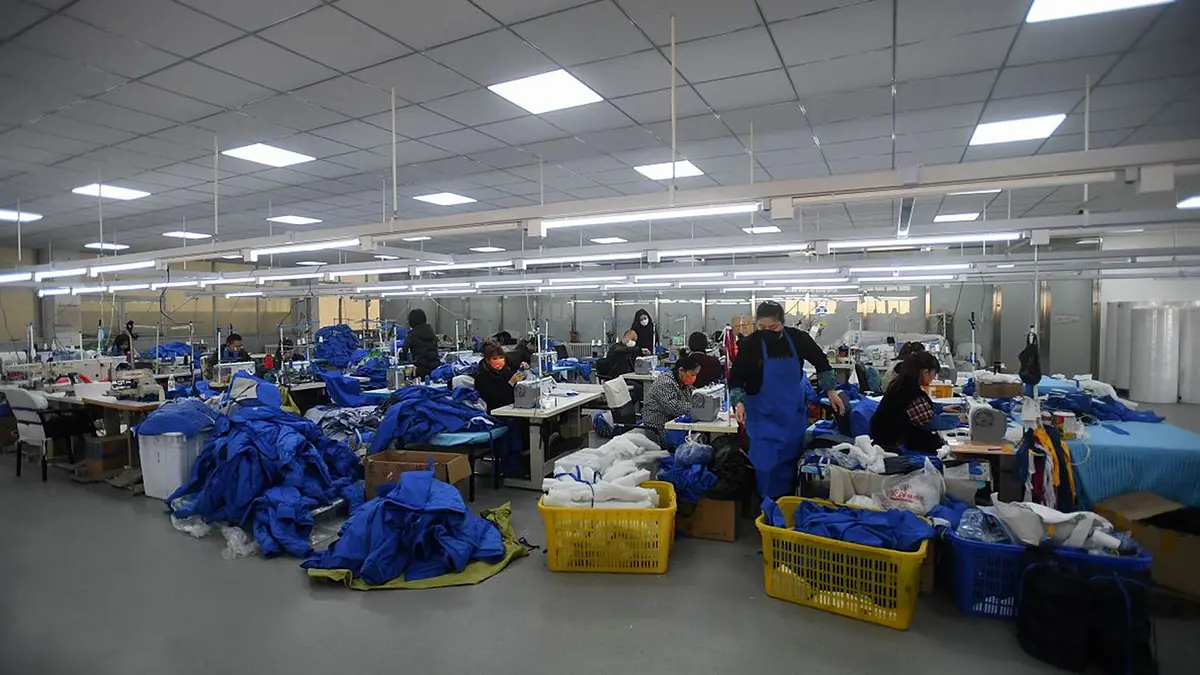
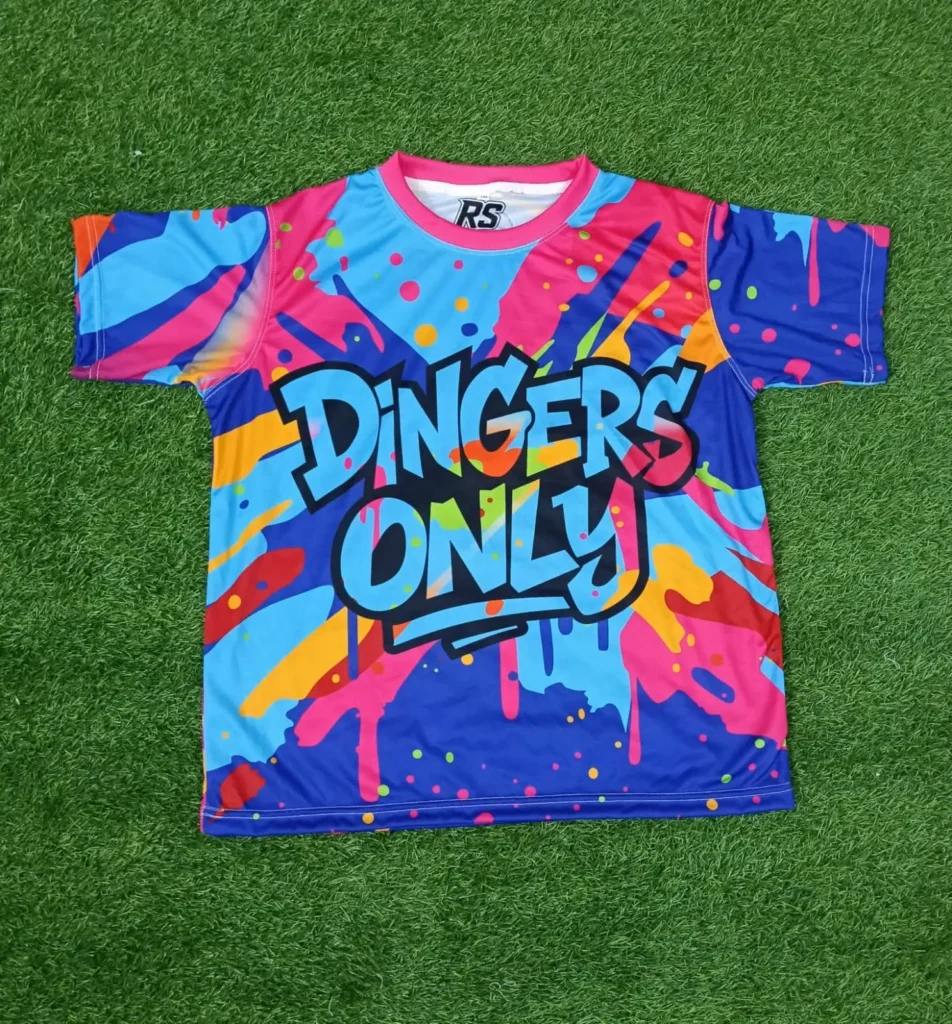
A garment can look excellent when it is new and still develop serious problems after several washes or days of use.
Color transfer, fading, staining, and uneven color changes can affect both appearance and customer satisfaction.
This is why colorfastness is an important part of textile and apparel testing.
Colorfastness describes how well a dyed or printed textile maintains its color when exposed to different conditions.
Why Colorfastness Matters
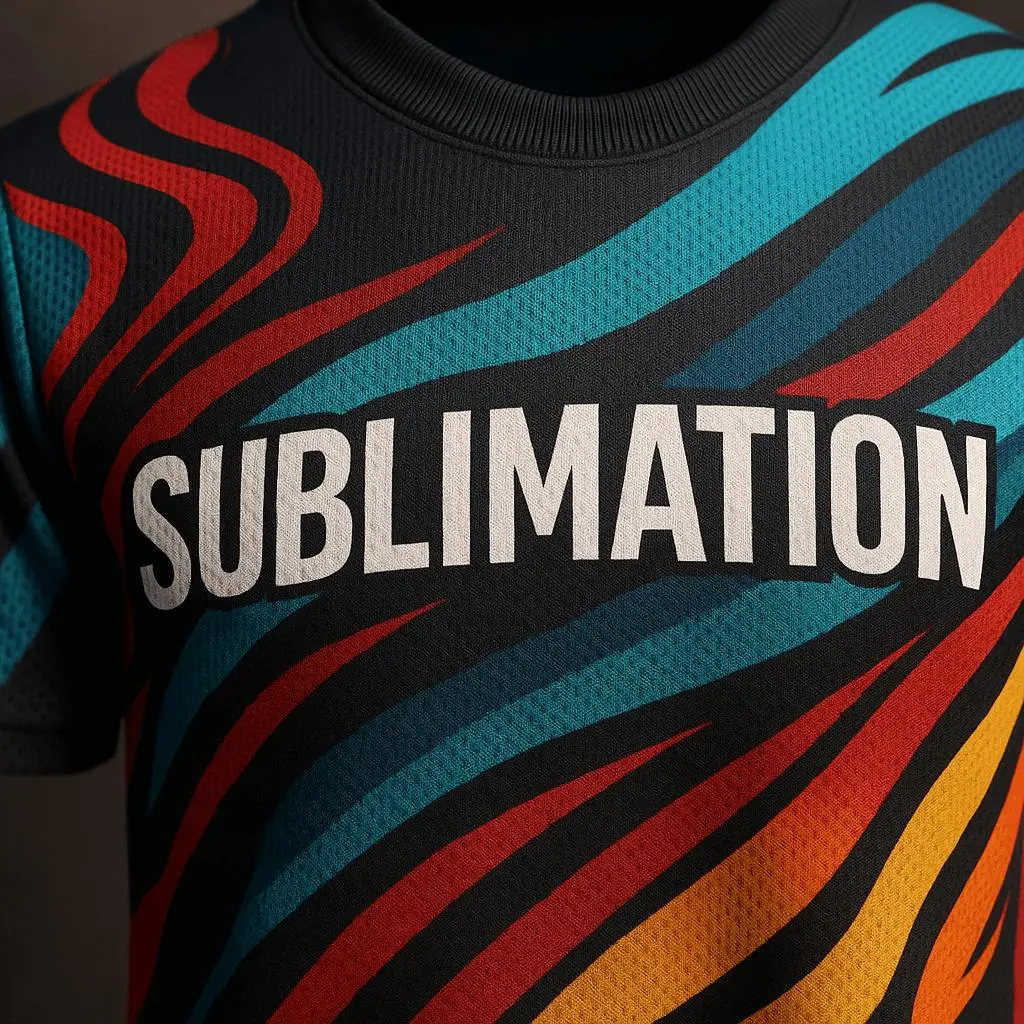
Imagine a dark-colored sports jersey.
After washing, the color begins to fade.
Or imagine a black garment worn next to a light-colored bag. Repeated rubbing causes dye to transfer onto the bag.
These are different types of color-performance problems.
The appropriate test therefore depends on the conditions the garment is expected to experience.
Colorfastness to Washing
Clothing is repeatedly exposed to:
- water
- detergent
- mechanical movement
- heat
- drying
A washing-fastness test is designed to evaluate how color behaves under controlled laundering conditions.
AATCC lists TM61 — Colorfastness to Laundering: Accelerated among its established textile test methods.
For teamwear and uniforms that are washed frequently, this can be particularly relevant.
Colorfastness to Crocking
Crocking refers to color transfer caused by rubbing.
For example, a dark garment may rub against:
- skin
- another garment
- a seat
- a bag
- furniture
AATCC TM8 evaluates the amount of color transferred from a colored textile to another surface through controlled rubbing, using dry and wet test conditions.
This is particularly useful for dark or highly saturated colors.
Colorfastness to Perspiration
Sportswear and workwear can come into frequent contact with sweat.
AATCC TM15 is designed to evaluate the colorfastness of colored textiles to acid perspiration. The test evaluates both color change and transfer to adjacent materials.
This can be relevant for:
- sports jerseys
- gym clothing
- training apparel
- outdoor uniforms
- close-fitting activewear
Colorfastness to Light
Outdoor garments may experience significant exposure to sunlight.
Over time, ultraviolet radiation can cause some dyes to fade.
AATCC’s standards include several methods for evaluating colorfastness to light, including xenon-arc exposure.
For garments intended for outdoor workers or sports teams, light exposure may therefore be an important consideration.
Water and Chlorinated Water
Different environments expose clothing to different liquids.
AATCC’s colorfastness resources include methods covering ordinary water and chlorinated pool water.
This can matter for garments used around:
- swimming pools
- water sports
- outdoor activities
- hospitality
- sports facilities
The correct testing program should reflect the garment’s actual use.
Why One Test Cannot Tell You Everything
A common misunderstanding is that a garment is simply “colorfast.”
In reality, different conditions can produce different results.
A garment might perform well in washing but respond differently to:
- rubbing
- perspiration
- sunlight
- chlorine
- water
Therefore, buyers should define the tests according to the intended application.
What Buyers Should Ask a Manufacturer
For a custom apparel order, buyers can ask:
- Which colorfastness tests are relevant to this garment?
- Has the fabric been tested before bulk production?
- What test method was used?
- Were both fabric and printed areas evaluated?
- Were dark colors tested separately?
- Are results available for review?
- What acceptance criteria are being used?
The important point is that a statement such as “good colorfastness” is less useful than a clearly defined test method and acceptance requirement.
Colorfastness for Custom Team Apparel
Team clothing often combines:
- dyed fabric
- printed graphics
- numbers
- names
- sponsor logos
- contrasting panels
Each element may behave differently.
For this reason, a complete evaluation should consider the finished garment rather than relying only on a generic fabric description.
Our Approach to Apparel Quality
For custom apparel projects, our production process can incorporate color-performance requirements according to the garment’s intended application.
The objective is not simply to produce an attractive sample.
It is to make sure the garment continues to perform after the conditions customers are likely to encounter.
Final Thoughts
Colorfastness is one of those quality characteristics that customers may not notice immediately.
But after repeated washing, rubbing, perspiration, water exposure, or sunlight, it can become highly visible.
For B2B apparel buyers, defining appropriate colorfastness requirements before production provides a more objective way to evaluate long-term garment performance.