Color is one of the first things customers notice about custom clothing. A team jersey, corporate uniform, hoodie, or workwear program can have excellent fabric and construction, but inconsistent colors can still make the finished garments look unprofessional.
For B2B buyers, color matching is therefore much more than selecting a color from a computer screen. The production process needs a clear color reference, physical approval samples, controlled production conditions, and a system for checking the final garments.
Why Screen Colors Are Not Enough
A common mistake is sending a manufacturer a screenshot and asking for the “same color.”
The problem is that digital colors depend on the camera, monitor, screen settings, lighting conditions, and image processing. Two screens can display the same digital color differently.
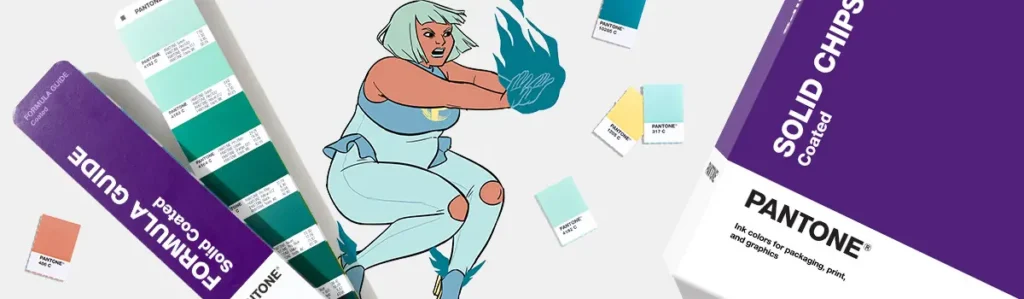
Pantone explains that different color systems are designed for different materials and applications. Its FHI system is designed for fashion and textile applications, while PMS is primarily associated with graphics, printing, packaging, and branding.
For custom clothing, this distinction matters because fabric and printed artwork do not necessarily reproduce the same color in the same way.
What Is a Pantone Reference?
Pantone references provide manufacturers and buyers with a standardized language for discussing color.
For example, a buyer may specify a particular Pantone textile color rather than simply saying:
“Please make the fabric dark blue.”
This gives the production team a defined target.
However, a Pantone code should not be treated as a guarantee that the final garment will automatically have exactly the same appearance.
Fabric composition, construction, dye chemistry, finishing, surface texture, and production conditions can all influence the final result.
What Is a Lab Dip?
A lab dip is a small fabric sample produced to test whether the chosen dye can achieve the required color.
The basic process is:
Color reference → dye formulation → lab dip → buyer approval → bulk dyeing
This is especially important when a brand or team needs a specific corporate or team color.
Instead of immediately producing thousands of garments, the manufacturer can first produce a smaller color sample for approval.
Why the Actual Fabric Matters
The same color formula can look different on different materials.
For example, a color produced on:
- cotton
- polyester
- nylon
- cotton-polyester blends
may not appear identical.
Pantone specifically notes that color appearance can change depending on the material and recommends evaluating colors using appropriate physical references and controlled lighting.
This is why professional custom apparel production should evaluate color on the actual fabric or material that will be used in production.
Color Matching for Logos and Garments
Custom team apparel often contains multiple color elements:
- garment fabric
- printed logos
- embroidered thread
- sponsor graphics
- woven labels
- trims
- zippers
- reflective elements
These components may use different production processes.
A team might therefore specify one primary brand color, but that color could appear slightly different when reproduced through dyeing, screen printing, embroidery, or heat transfer.
A professional manufacturer should identify these differences during sampling rather than waiting until bulk production.
Bulk Production Requires Another Check
Approving a lab dip does not mean the production process can be ignored.
Bulk fabric may be produced in different dye lots. Small differences can occur between batches, particularly for large orders or repeat orders.
For this reason, buyers should establish:
- The approved physical color standard.
- The acceptable color tolerance.
- The lighting conditions used for inspection.
- The procedure for checking bulk production.
- How future repeat orders will be compared.
Pantone also highlights the importance of maintaining consistency across multiple suppliers and production runs.
How We Approach Color in Custom Apparel Production
For a custom apparel project, our production team can treat color as a controlled specification rather than simply a visual preference.
The process can begin with the customer’s color reference and then move through sample confirmation before bulk production.
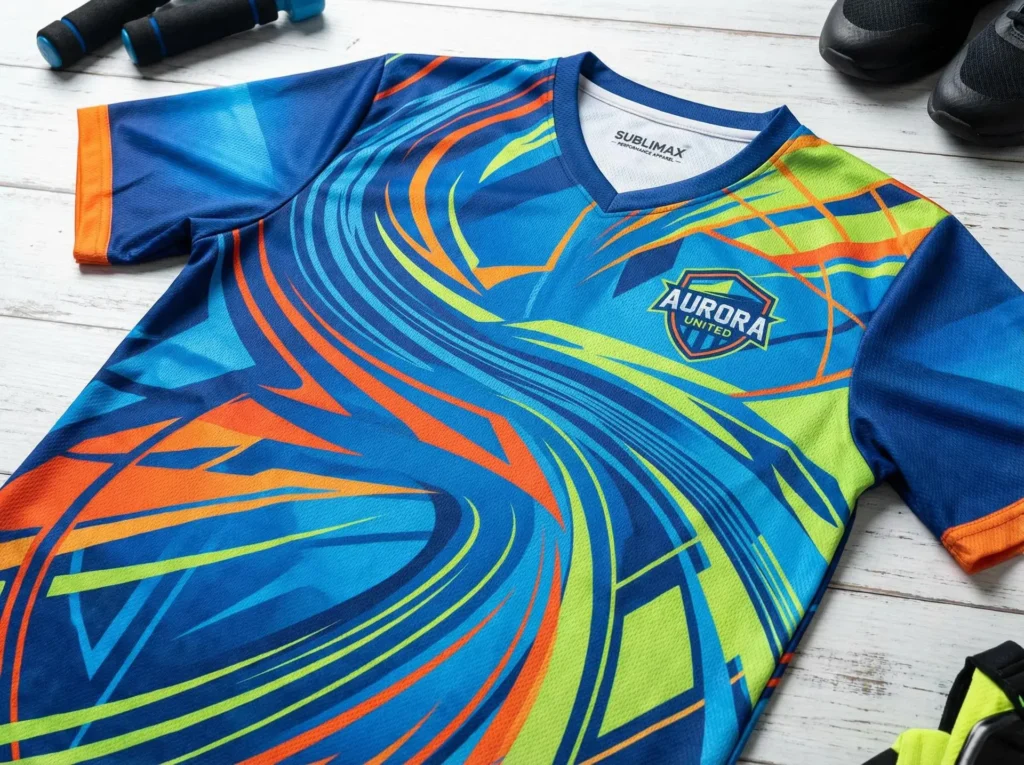
For teamwear, corporate uniforms, promotional clothing, and other branded garments, this approach helps ensure that the main garment color and customized elements remain visually consistent with the approved design.
A Practical Color Approval Checklist
Before approving bulk production, buyers should confirm:
- Is the color reference clearly defined?
- Is the reference suitable for textile production?
- Has the color been tested on the actual fabric?
- Has a physical sample been approved?
- Are different materials being evaluated separately?
- Are printing and embroidery colors included?
- Has the bulk fabric been checked against the approved reference?
- Is the same standard saved for future repeat orders?
Final Thoughts
Color matching is an important but often underestimated part of custom clothing manufacturing.
The most reliable process is not simply sending a digital image to a factory. It is a controlled chain from color reference → physical sample → approval → bulk production → final inspection.
For businesses ordering custom apparel repeatedly, establishing a clear color standard from the beginning can make future orders much easier to manage.