When buyers evaluate custom sportswear, attention usually goes to fabric, colors, logos, and overall design.
However, another factor has a major influence on how the garment performs: seam construction.
Two garments can use similar fabrics and designs but feel completely different because their seams are constructed differently.
For sportswear, seam selection affects stretch, comfort, durability, appearance, and resistance to repeated movement.
What Is an Overlock Seam?
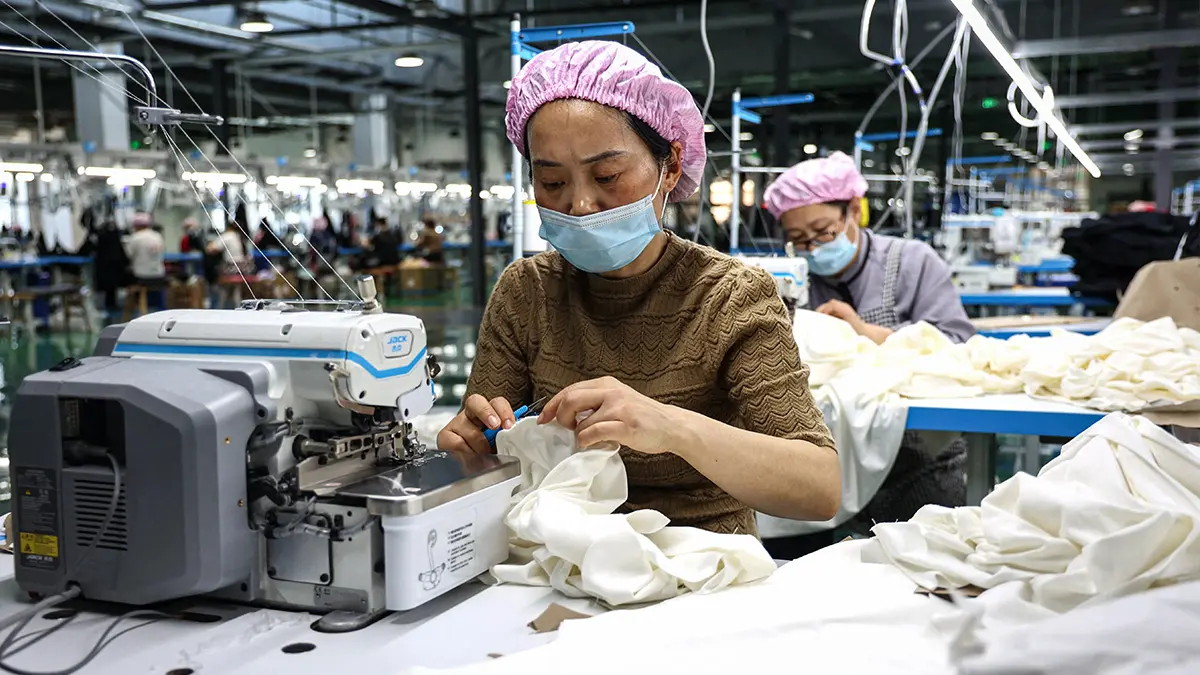
Overlock stitching joins fabric panels while also finishing the raw edges.
It is widely used in garment manufacturing because it provides an efficient combination of:
- panel joining
- edge finishing
- flexibility
- production efficiency
Overlock construction is commonly found in sportswear and other knitted garments.
It can be particularly useful where fabric panels need to be joined efficiently without creating excessive production complexity.
What Is Flatlock Stitching?
Flatlock construction creates a relatively flat seam profile.
This can be valuable for garments worn close to the skin because a bulky seam can create friction during repeated movement.
Activewear manufacturers often use flatlock construction in areas where minimizing rubbing is important. Recent industry guides specifically highlight its use in close-fitting performance apparel.
For example, flatlock seams may be considered for:
- compression clothing
- running apparel
- cycling apparel
- training shirts
- leggings
- close-fitting teamwear
What Is Coverstitch?
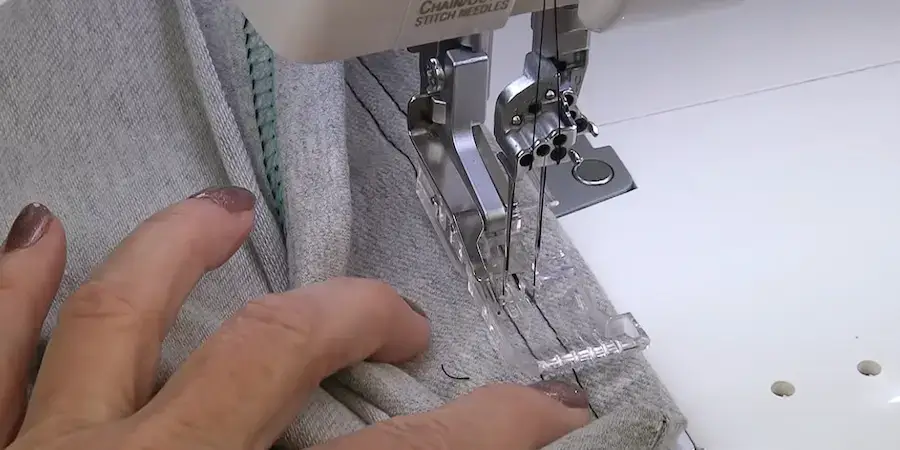
Coverstitch is commonly associated with hems and stretch-oriented garment construction.
It can create a clean finish while allowing the fabric to retain flexibility.
For sportswear, it can be useful around areas such as:
- sleeve hems
- bottom hems
- neck areas
- stretch openings
The important point is that coverstitch is not simply another version of flatlock.
Each stitch construction serves a different purpose.
Why Seam Placement Matters
Even a technically suitable seam can become uncomfortable if it is placed in the wrong location.
Consider a running shirt.
A seam located in a low-friction area may cause few problems. The same seam placed repeatedly against the shoulder, underarm, or inner thigh can become noticeable during extended activity.
This is why sportswear construction should consider both:
seam type + seam location
rather than selecting one stitch type for the entire garment.
Matching Construction With Fabric
Fabric and seam construction need to work together.
Stretch fabrics require seams that can accommodate movement. If a highly elastic fabric is paired with an inappropriate construction, problems can include:
- seam popping
- puckering
- excessive tension
- reduced stretch
- uncomfortable edges
Therefore, when developing custom sportswear, manufacturers should test the seam together with the actual fabric.
What Should B2B Buyers Ask?
When requesting a custom sportswear quotation, buyers can ask:
- Which seam constructions will be used?
- Where will flatlock stitching be applied?
- Which areas use overlock construction?
- How are hems finished?
- Has the seam been tested with the selected fabric?
- How does the garment behave after repeated washing?
- Are high-stress areas reinforced?
These questions can help buyers understand the actual construction rather than evaluating a garment only from photographs.
Construction Details Can Change the Product
A basic team shirt and a high-performance training shirt may look similar from a distance.
But the construction requirements can be very different.
A casual team shirt may prioritize:
- production efficiency
- durability
- appearance
- cost control
A performance garment may additionally prioritize:
- reduced friction
- stretch recovery
- lightweight construction
- seam flexibility
- reinforced high-stress areas
This is why custom apparel should be developed according to its intended use.
Our Approach to Custom Sportswear
For custom team apparel, our production approach can take garment function into account when determining construction details.
Instead of applying the same sewing method to every garment, the construction can be specified according to:
- fabric
- garment type
- body movement
- seam location
- expected usage
- desired appearance
This allows the manufacturing specification to reflect how the garment will actually be worn.
Final Thoughts
Seams may not be the first thing a customer notices, but they can have a significant effect on the wearing experience.
Understanding the difference between overlock, flatlock, and coverstitch allows buyers to have more productive conversations with manufacturers and make better technical decisions when developing custom sportswear.