
Plaid and striped fabrics can give custom apparel a distinctive visual identity. However, these patterns also make construction details more noticeable. When lines fail to meet at important seams, the garment may look unbalanced even if the stitching itself is neat.
For custom clothing suppliers, pattern matching should be considered during design development and fabric cutting rather than treated as a minor finishing detail.
1. Identify the Pattern Repeat
Before cutting, identify the repeat of the stripe or plaid. The repeat refers to the distance before the same arrangement of lines and colors appears again.
Large repeats usually require more careful fabric placement. Uneven or asymmetrical plaids can also be more difficult to match than balanced patterns.
Understanding the repeat helps determine where the main lines should appear on the garment.
2. Choose the Most Important Matching Areas
Not every seam needs to match perfectly. Priority should be given to visually prominent areas, including:
- Center-front openings
- Center-back seams
- Side seams
- Shoulder seams
- Sleeve attachment areas
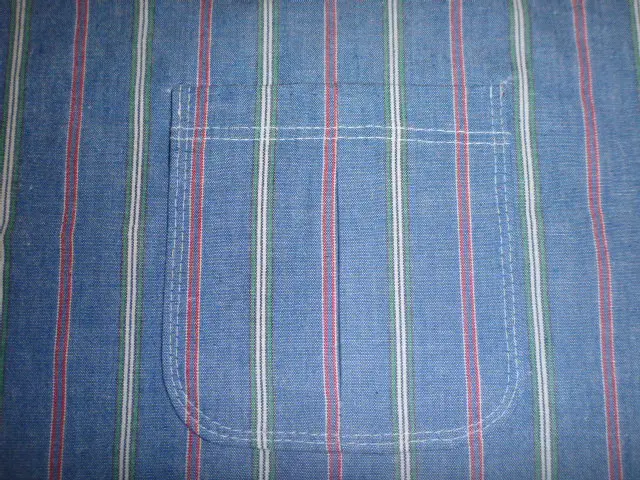
- Pocket edges and visible flaps
The exact priorities depend on the garment design. A jacket with a prominent front opening, for example, may require especially careful alignment at the center front.
3. Plan Pattern Placement Before Cutting
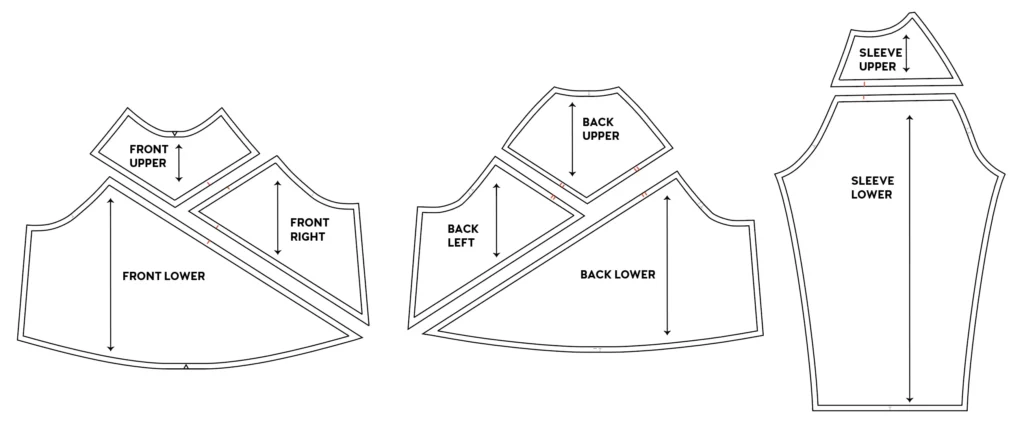
Pattern pieces should be positioned according to the intended visual alignment. It is useful to mark important stripe or plaid lines directly on the pattern.
For symmetrical designs, the dominant vertical line may be positioned at the garment center. Horizontal lines should also be considered carefully around the chest, waist, hip, and hem.
Cutting pieces individually in a single layer can make matching easier when the fabric pattern is complex.
4. Consider Pockets and Smaller Components
Pockets, collars, cuffs, and plackets can interrupt a large pattern. Matching these smaller components with the garment body creates a more continuous appearance.
Alternatively, a deliberate contrast can be used. For example, a pocket may be cut on the bias to create a visual distinction while still looking intentional.
5. Control Fabric Movement During Sewing
Even accurately cut pieces can shift during sewing. Pinning, hand-basting, or other suitable temporary holding methods can help maintain alignment.
The fabric type matters as well. Lightweight or slippery materials may require more careful handling than stable woven fabrics.
6. Inspect Pattern Alignment on the Finished Garment
Check the garment from a normal viewing distance. Look at the center front, side seams, pockets, and other prominent areas.
Small differences may be unavoidable around shaped seams, darts, or curved construction areas. The goal is to achieve a visually balanced result rather than force every line to match where the garment structure makes it impractical.
Conclusion
Pattern matching is an important design and construction consideration for custom plaid and striped clothing. Planning the repeat, prioritizing visible seams, and controlling fabric movement can significantly improve the finished appearance.

