
When developing custom clothing, fabric selection and pattern design receive considerable attention. However, another technical detail can strongly influence the finished garment: grainline direction. Even a well-designed pattern may produce an unexpected result if its pieces are not positioned correctly against the fabric grain.
For custom apparel suppliers, understanding grainline is essential to maintaining consistent garment shape, appearance, and performance.
1. Understand the Main Fabric Directions
Woven fabrics generally have lengthwise grain, crosswise grain, and bias direction.
- Lengthwise grain: Runs parallel to the selvage and is usually the most stable direction.
- Crosswise grain: Runs from one selvage to the other and may behave differently depending on the fabric construction.
- Bias direction: Runs diagonally, typically at approximately 45 degrees to the straight grain, and offers greater flexibility.
Each direction affects how a garment section stretches, hangs, and responds to movement.
2. Follow the Pattern Grainline
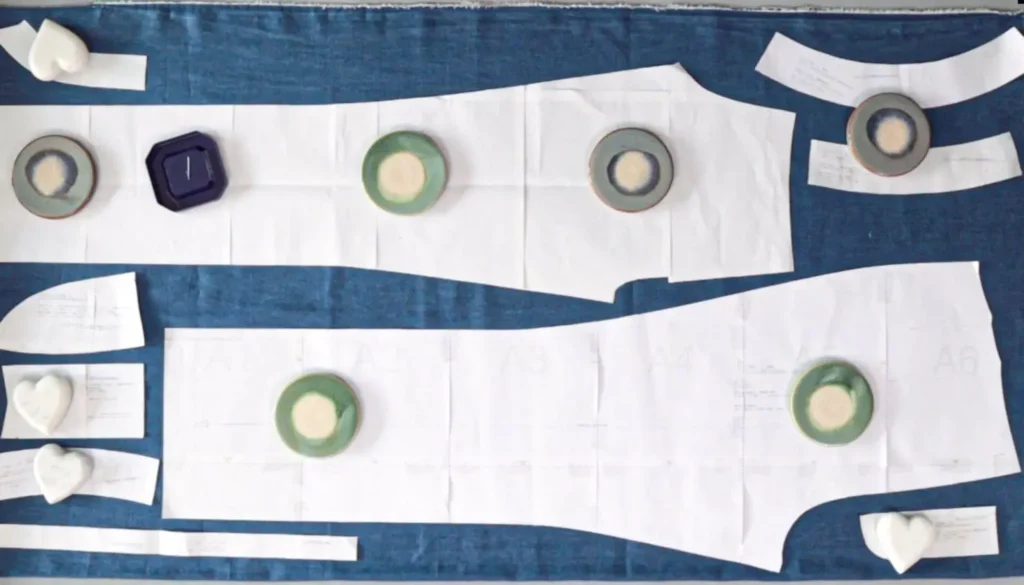
Pattern pieces normally include grainline markings to show how they should be positioned on the fabric. These markings should be aligned accurately rather than estimated by eye.
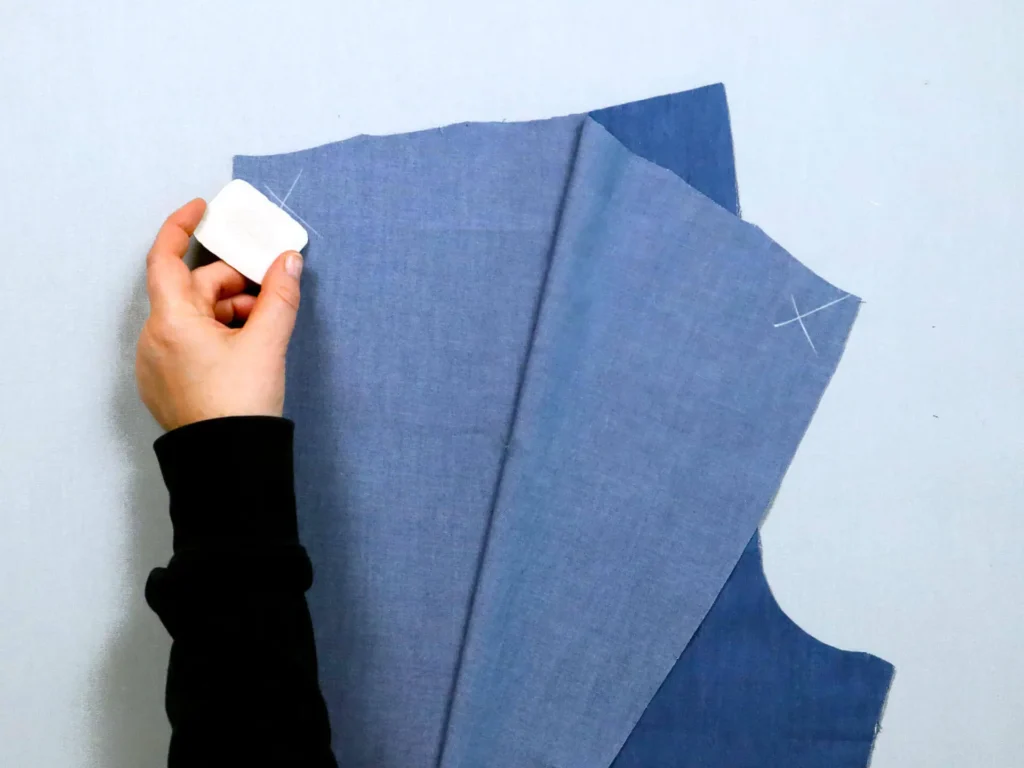
If a garment panel is cut off-grain, it may twist, hang unevenly, or distort after sewing and wearing. This can affect visible areas such as front panels, sleeves, trouser legs, and side seams.
3. Consider Fabric Characteristics
Different materials require different levels of attention during cutting.
Knitted fabrics may stretch more in one direction than another. Fabrics with a nap, pile, or directional print may also need all pattern pieces to face the same direction.
For brushed fabrics, corduroy, velvet-like surfaces, and one-way prints, reversing selected pattern pieces can create visible differences in color or texture.
4. Pay Attention to Bias-Cut Details
Some garment details are intentionally cut on the bias. This can create flexibility, a softer drape, or a decorative effect.
However, bias-cut sections may stretch during handling and sewing. Stabilizing and handling these pieces carefully helps prevent unwanted distortion.
5. Check the Finished Garment
After sewing, inspect whether the garment hangs evenly. Look for twisting side seams, uneven hems, distorted panels, and sleeves that rotate away from their intended position.
A garment should be evaluated on a person or dress form, not only while lying flat on a table.
Conclusion
Grainline is a fundamental part of custom garment construction. Correct fabric direction helps preserve the intended silhouette, improve drape, and reduce distortion. For custom apparel suppliers, careful pattern placement and cutting are important steps toward producing garments with a consistent and professional appearance.

