
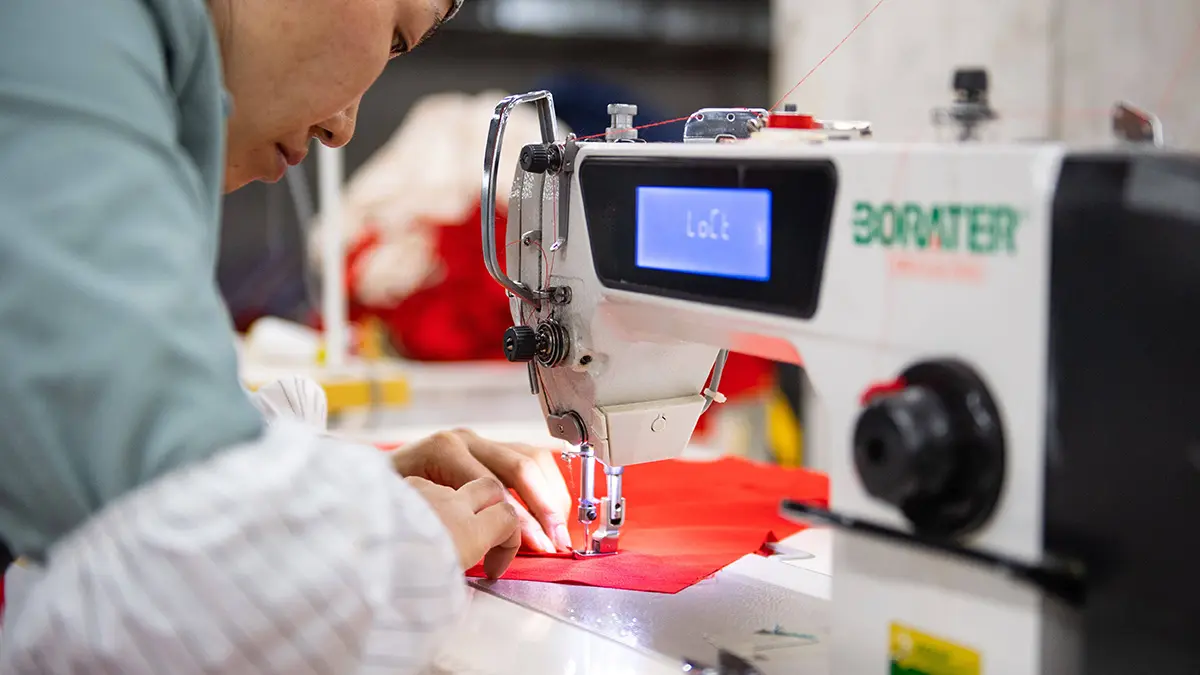
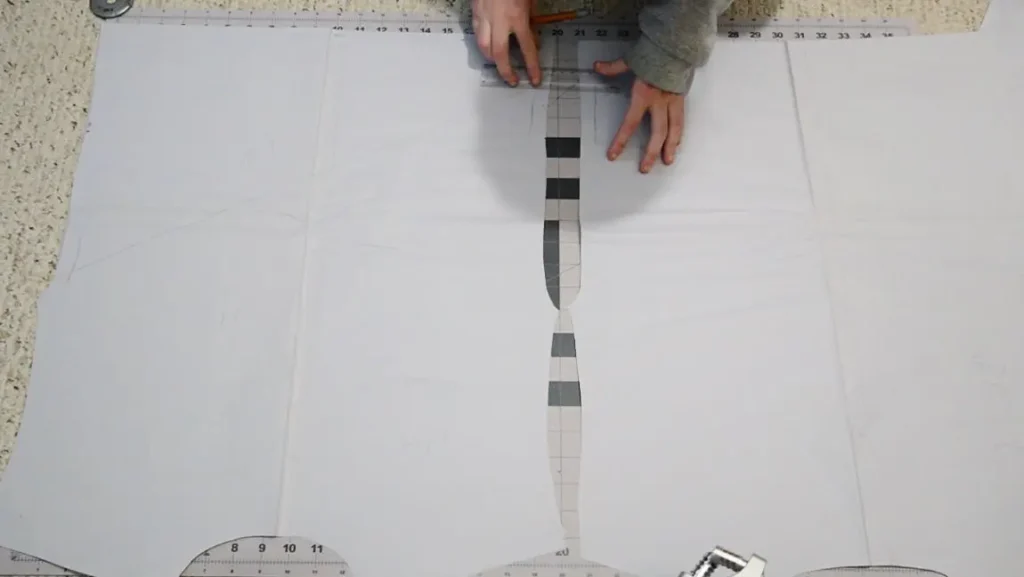
A garment can have the correct chest, waist, and hip measurements but still look uncomfortable or uneven when worn. One possible reason is poor front-to-back balance.
Garment balance describes how the front, back, and side sections work together to create a garment that hangs properly on the body. For custom apparel suppliers, this is an important consideration because different body proportions and postures can affect how a pattern performs.
1. Understand Front-to-Back Balance
The front and back panels need to work together in both length and shape. If one section has insufficient or excessive length, the garment may move away from its intended position.
For example, a top may ride upward at the front, pull toward the back, or cause the side seams to shift away from their natural vertical position.
These problems cannot always be corrected by simply increasing the overall garment size.
2. Check the Side Seams
Side seams provide a useful visual reference when evaluating garment balance.
When a garment hangs correctly, the side seams should generally follow the intended side position instead of rotating toward the front or back.
If the side seams move noticeably, examine the front and back pattern lengths, shaping, and fabric behavior.
3. Consider Body Posture
Posture can influence the relationship between front and back garment sections.
A wearer with a prominent upper back, forward shoulders, or a different pelvic posture may need adjustments to the pattern balance.
Custom clothing should therefore be evaluated on the intended wearer or a suitable fit model whenever possible.
4. Use Horizontal Balance Lines
Horizontal reference lines across the chest, waist, and hip can help identify whether the garment is sitting correctly.
If these lines tilt, curve unexpectedly, or rise at one side, they may indicate a pattern imbalance or a construction issue.
The lines should be checked while the wearer stands naturally rather than forcing the body into an artificial posture.
5. Evaluate the Hem Position
An uneven hem can be a visible sign of balance problems. However, it may also result from fabric distortion, an uneven cutting edge, or an intentional asymmetrical design.
Before adjusting the hem, determine the actual cause. Shortening one section without correcting the underlying problem may hide the symptom while leaving the fit issue unresolved.
6. Review the Garment in Motion
Static fitting is not enough for every garment. Ask the wearer to sit, walk, reach, and move naturally.
Observe whether the garment shifts excessively, pulls across the torso, or loses its intended position. These checks are especially useful for custom shirts, jackets, uniforms, and fitted workwear.
Conclusion
Front-to-back balance is a fundamental part of garment fit. By checking side seams, horizontal reference lines, posture, and hem position, custom apparel suppliers can identify pattern problems more accurately and create garments that hang naturally.

