Introduction
The neckline is one of the most noticeable areas of a garment. Even when the body fabric and overall design are well selected, a stretched, wavy, or bulky neckline can make the finished clothing look poorly constructed.
For custom T-shirts, sweatshirts, uniforms, and other corporate apparel, neckline finishing should be considered during garment development rather than treated as a minor sewing detail.
The right construction method depends on the fabric, neckline shape, garment style, and expected wearing conditions.
1. Choose Between Binding and Facing
Binding and facing are two common ways to finish a neckline.
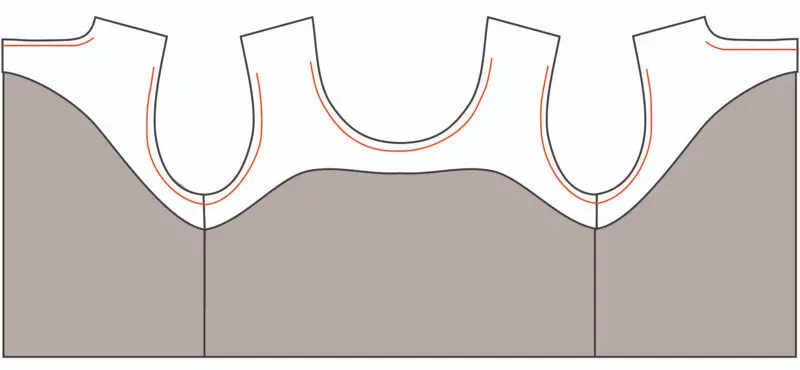
A binding uses a narrow strip of fabric to cover the raw edge. It can be visible as a design feature or made from matching fabric for a clean finish. It is commonly used on knit tops and garments with simple neck openings.
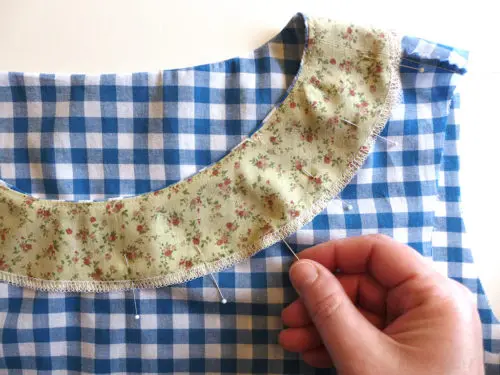
A facing is a separate fabric section or an extension of the garment pattern that encloses the raw edge from the inside. It is useful when a cleaner external appearance is required or when the neckline shape is more structured.
Suppliers should consider:
- Whether the finish should be visible or concealed.
- Whether the garment fabric is lightweight, medium-weight, or heavy.
- Whether the neckline needs to retain stretch.
- Whether the design requires a soft or structured edge.
The method should suit the garment rather than being selected only because it is familiar to the production team.
2. Match the Finishing Fabric to the Main Fabric
A neckline finish should work with the main fabric’s weight, stretch, and drape.
If the binding fabric is too stiff, the neckline may feel uncomfortable or pull the garment out of shape. If it is too soft or unstable, the edge may stretch and lose its original form.
For stretch garments, the finishing material should provide suitable recovery. For woven garments, the facing or binding should be stable enough to maintain the intended neckline shape.
Using the same fabric is not always necessary. A compatible lightweight material may create a cleaner result, provided that its appearance and care requirements are appropriate.
3. Control Stretch During Sewing
One common neckline problem is unwanted stretching during sewing.
Knit fabrics can become distorted when they are pulled or handled unevenly. This may result in a neckline that waves, stands away from the body, or becomes wider than intended.
Suppliers should pay attention to:
- Fabric handling during cutting and sewing.
- The stretch direction of binding strips.
- Stitch type and stitch tension.
- The use of suitable stabilizing methods.
- Consistent feeding of the fabric through the machine.
For garments that require a stable neckline, staystitching or other appropriate stabilization may be considered during construction.
4. Avoid Excessive Bulk
Too many fabric layers around the neckline can create a thick edge. This is especially noticeable on lightweight T-shirts, thin sweatshirts, and garments made from soft fabrics.
The facing or binding should be wide enough to provide a secure finish without creating unnecessary thickness. Seam allowances may need to be trimmed, graded, or clipped according to the fabric and curve.
The finished edge should lie smoothly against the garment rather than forming a visible ridge.
5. Check Curves and Symmetry
Different neckline shapes require different construction considerations.
A round neckline, V-neck, square neckline, and wide neckline do not behave in exactly the same way. Curved sections may require clipping or notching so that the fabric can lie flat after turning.
For V-necks, the center point requires particular attention. Poorly controlled stitching can create a small hole, uneven point, or visible distortion.
The left and right sides should also be symmetrical. A neckline that is slightly uneven can become obvious when the garment is worn.
6. Evaluate the Neckline After Washing
A neckline that looks correct immediately after sewing may change after washing.
Depending on the fabric and construction, the edge may shrink, stretch, ripple, or lose its original shape. Suppliers should therefore evaluate the finished garment under the intended care conditions.
A practical inspection should include:
- Checking the neckline width and depth.
- Comparing the left and right sides.
- Looking for rippling or twisting.
- Checking whether the binding or facing rolls outward.
- Evaluating comfort against the skin.
For corporate apparel programs, maintaining a consistent neckline across sizes is also important.
7. Document the Approved Construction
The final garment specification should identify the neckline shape, finishing method, material, visible width, stitching appearance, and any special construction requirements.
Reference photographs are useful, but they should be supported by measurements and an approved sample. This gives the production team a clearer standard to follow.
Conclusion
Neckline finishing is a small construction detail with a significant influence on garment quality. Suitable materials, controlled sewing, accurate shaping, and careful inspection help prevent common problems such as stretching, rolling, and excessive bulk.
For B2B custom apparel suppliers, a well-finished neckline is an important part of delivering garments that look professional and remain comfortable during everyday wear.