Introduction
Custom trousers, joggers, and sweatpants often use elastic waistbands, drawcords, or a combination of both. Although these components may appear simple, their design can significantly affect how the garment fits and stays in place.
A waistband that is too tight may feel uncomfortable, while one that provides insufficient support may not hold the trousers securely. An incorrectly constructed drawcord channel can also cause twisting, uneven adjustment, or a bulky appearance.
For B2B customization, these details should be defined according to the garment’s intended use and the wearer’s needs.
1. Choose the Appropriate Waistband Structure
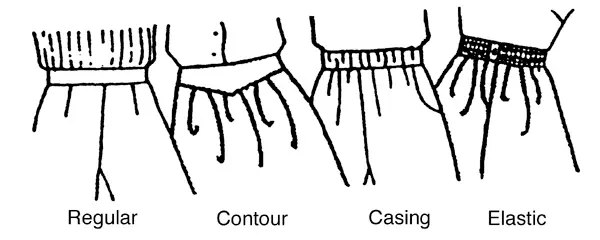
Common options include a fully elasticated waistband, an elastic waistband with a drawcord, and a more structured waistband with limited or no elastic.
A fully elasticated waistband may suit casual trousers designed for easy dressing. An elastic waistband with a drawcord provides additional adjustment. A structured waistband may be more appropriate for trousers intended to maintain a formal or tailored appearance.
The choice should reflect the garment category, the expected wearing conditions, and the intended fit.
2. Specify the Finished Waistband Dimensions
The waistband should be measured and evaluated as part of the complete garment.
Define the finished waistband height, the intended waist measurement, and any relevant differences between sizes. If the waistband is designed to stretch, clarify the intended fit and the acceptable behavior during wear.
Avoid using vague instructions such as “comfortable elastic.” The supplier needs sufficient information to choose a suitable construction and evaluate the finished result.
3. Select Elastic That Suits the Garment
Elastic components vary in width, construction, stretch, and recovery. The appropriate option depends on the waistband design and the required level of support.
During development, evaluate whether the elastic stretches sufficiently for dressing and returns appropriately afterward. Excessive tension may cause discomfort, while insufficient recovery may affect the garment’s ability to stay in place.
The elastic should also be compatible with the main garment material and the intended care process.
4. Prevent Twisting and Uneven Waistband Behavior
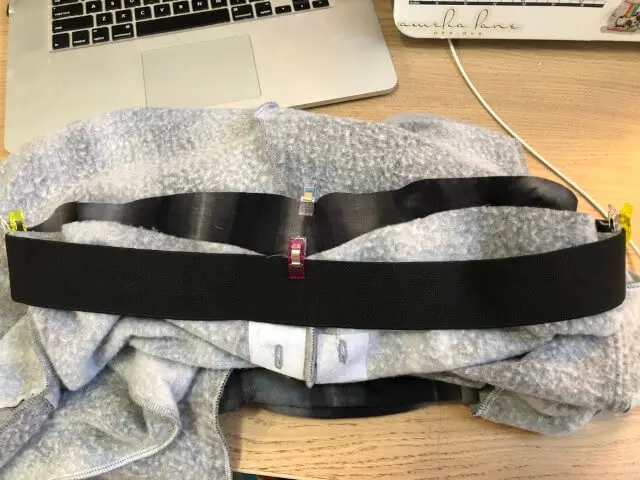
Elastic enclosed in a fabric casing can twist or bunch if the construction does not control its movement.
Depending on the design, the elastic may need to be secured at selected points or attached more continuously. However, the correct method depends on the garment construction and should be established by the supplier during development.
On a sample, inspect whether the waistband lies evenly, whether the elastic stays in position, and whether the garment maintains its intended shape after stretching and movement.
5. Design the Drawcord Opening Carefully
A drawcord may exit through buttonholes, eyelets, a reinforced opening, or another construction detail.
The opening should be suitable for the cord and should not create an unfinished or weak area. Confirm the intended exit position, the cord’s visible length, and the finish at both ends.
If the cord is intended to adjust the waistband, test that it can be tightened and loosened without excessive resistance.
Drawcord design can also be subject to safety requirements, particularly for children’s clothing and certain garments used in specific environments. Check the rules applicable to the intended market and user group.
6. Decide Whether the Drawcord and Elastic Share a Channel
Some designs place the elastic and drawcord in the same waistband channel, while others use separate arrangements.
The construction affects how easily the waistband adjusts and how the components behave during wear. If the cord and elastic bunch together, adjustment may become uneven or the waistband may feel bulky.
The supplier should assess the proposed design and confirm that both components can function as intended. The decision should be verified on the actual garment sample.
7. Check Waistband Comfort During Movement
A waistband should be assessed during normal activities, not only when the wearer stands still.
For teamwear or casual corporate garments, test sitting, bending, walking, and other relevant movements. Check whether the waistband rolls, digs into the body, shifts excessively, or creates uncomfortable pressure.
If the trousers will be worn during physical activity, the evaluation should reflect the movements associated with that activity.
8. Inspect the Waistband After Care
Washing and drying may affect elastic recovery, fabric dimensions, and the behavior of the drawcord.
Follow the intended care instructions and inspect the waistband afterward. Check whether the elastic remains evenly distributed, whether the casing stays flat, and whether the drawcord remains usable.
If the product requires repeated laundering, the care process should be included in the evaluation rather than treated as an unrelated issue.
9. Document the Final Construction
The final specification should identify the waistband type, finished dimensions, elastic details, drawcord material and length, opening construction, and any relevant stitching requirements.
Use clear diagrams or reference photographs where necessary. If different trouser styles use different waistband constructions, record the requirements separately.
A clearly documented specification helps the supplier reproduce the intended design and provides a consistent reference for inspecting finished garments.
Conclusion
Waistband and drawcord design influence fit, comfort, adjustability, and the overall appearance of custom trousers. Selecting suitable components and confirming their behavior on a sample can help prevent avoidable problems during bulk production.
For B2B buyers, the most effective approach is to specify measurable details, evaluate the complete garment, and verify the finished waistband after normal movement and care.