Introduction
The yoke is a separate panel commonly found across the upper back of shirts. Although it may appear to be a simple design component, it contributes to the garment’s structure, fit, and overall appearance.
For custom corporate shirts, work shirts, and team apparel, the yoke can also provide opportunities for design variation, such as contrasting fabric, decorative stitching, or different panel shapes.
A well-designed yoke should follow the intended shoulder shape, lie smoothly against the garment, and connect cleanly with the surrounding panels.
1. Understand the Purpose of a Yoke
A yoke is usually positioned across the upper back, although some designs also include front shoulder panels.
Its construction can help shape the upper part of the garment and provide a clean transition between the shoulder area and the main body.
Depending on the design, a shirt may use:
- A single-layer yoke.
- A double-layer yoke.
- A shaped yoke.
- A composite yoke made from multiple panels.
The choice should reflect the garment’s intended appearance and construction requirements.
2. Choose the Right Yoke Shape
Yoke shape affects how the upper back looks and how the panel connects with the shoulder and body sections.
A straight yoke creates a relatively simple horizontal division. A shaped yoke introduces angled or curved lines that can create a more distinctive appearance.
When developing a custom shirt, suppliers should confirm:
- The height of the yoke.
- The angle of its lower seam.
- Whether the design is symmetrical.
- How the yoke connects to the shoulder seams.
- Whether the panel should follow a particular body shape.
A dramatic yoke shape may look attractive in a design drawing but require more careful pattern development and sewing control.
3. Consider Single-Layer and Double-Layer Construction
A single-layer yoke uses one fabric panel. It can reduce material use and create a relatively lightweight construction.
A double-layer yoke uses two layers of fabric. This can provide a cleaner internal finish because the seam allowances may be enclosed between the layers.
However, additional layers may create more thickness, particularly when the main fabric is heavy.
The supplier should evaluate the balance between internal appearance, garment weight, sewing complexity, and comfort.
4. Pay Attention to Fabric Grain Direction
Fabric grain direction affects how a panel hangs and behaves.
If the yoke is cut in a different direction from the surrounding garment panels, the appearance and drape may change. This can be intentional, especially when creating a visual design feature, but it should be planned.
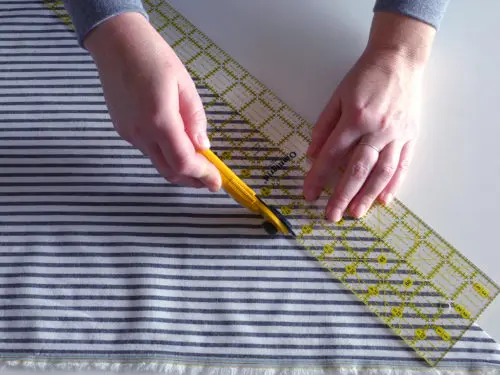
For striped or checked fabrics, pattern alignment is particularly important.
The supplier should confirm whether stripes, checks, or other visible patterns need to match across the yoke seam. If matching is required, additional attention to pattern placement and cutting accuracy may be necessary.
5. Prevent Puckering Along the Yoke Seam
The seam joining the yoke to the main back panel should lie flat.
Puckering may occur when fabric layers are not controlled evenly, when the seam is stretched during sewing, or when the construction method is unsuitable for the material.
To reduce these problems:
- Match the relevant notches and reference points.
- Distribute any intended fullness evenly.
- Avoid pulling one layer more than the other.
- Use suitable stitch settings for the fabric.
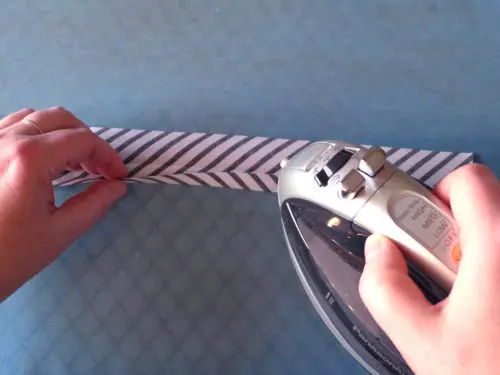
- Press the seam according to the material’s requirements.
The yoke should not twist or create uneven folds across the back.
6. Use the Yoke as a Design Feature
A custom yoke can do more than provide structure.
For corporate apparel, it may be used to introduce a contrasting color, a subtle pattern, or a different fabric texture. It can also create a visual connection with the company’s brand colors.
However, decorative choices should not interfere with the panel’s fit or construction.
A contrasting yoke should be evaluated under the same lighting as the main fabric to ensure that the colors work together.
7. Check the Yoke Across Different Sizes
The yoke should remain visually balanced throughout the size range.
If the design is graded without considering the yoke’s proportions, the panel may look too narrow or too deep on certain sizes.
Suppliers should review the yoke height, shoulder relationship, and back-panel proportions on representative sizes rather than relying only on the smallest sample.
Conclusion
The yoke is an important part of shirt design because it connects shoulder fit, back construction, and visual appearance. Its shape, layering, grain direction, and seam quality should all be considered during garment development.
For B2B custom shirt suppliers, careful yoke construction helps create a more consistent and professional finish across a corporate apparel range.