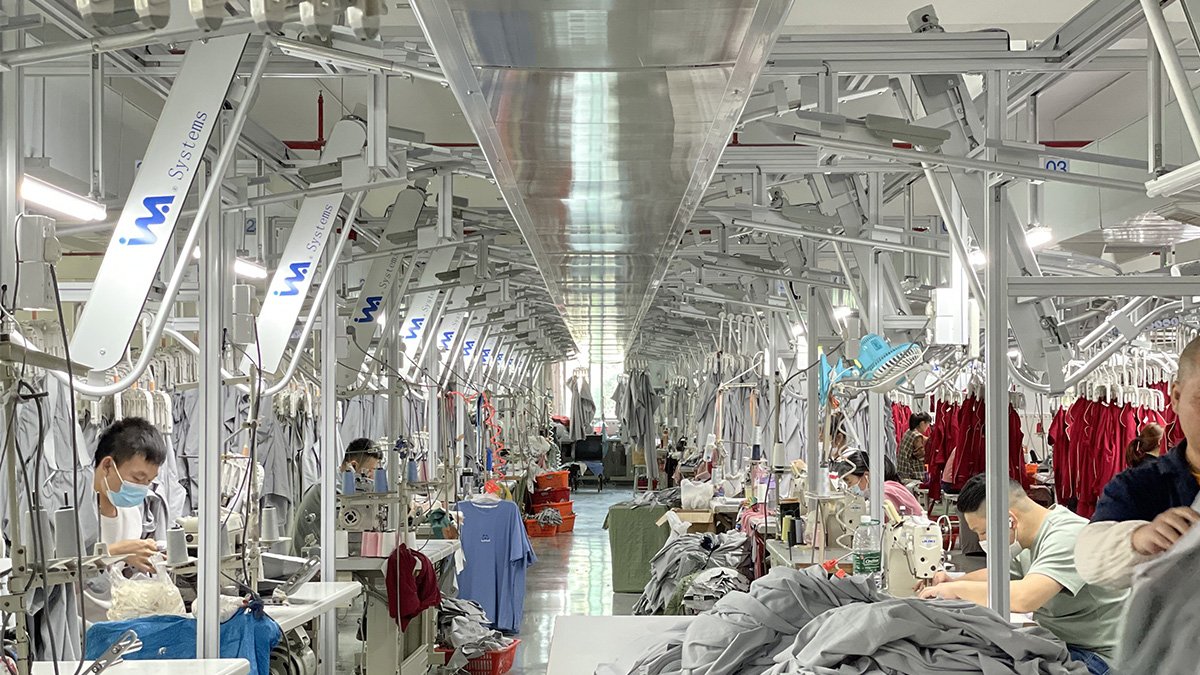
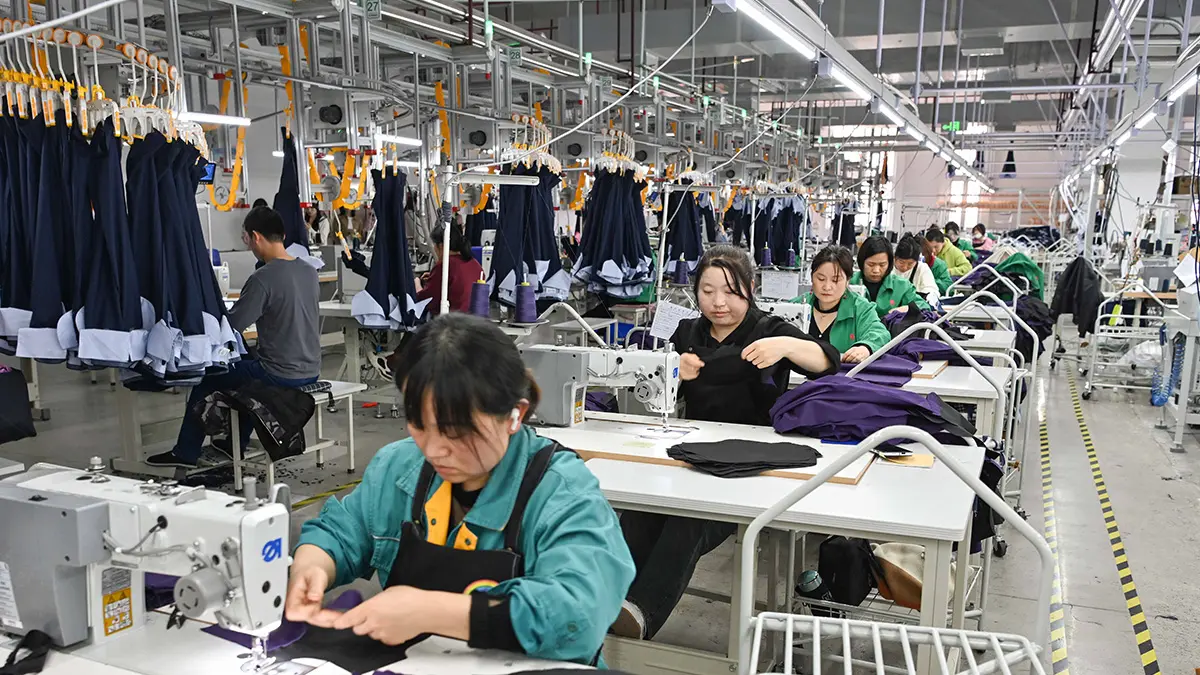
Custom workwear is different from ordinary promotional clothing.
A work uniform may need to withstand repeated washing, physical movement, outdoor conditions, tools, machinery, and demanding working environments.
For this reason, small construction details can have a large effect on the finished product.
Reflective tape, reinforced seams, pockets, zippers, elastic sections, and closures should all be considered during product development.
Reflective Tape Is More Than Decoration
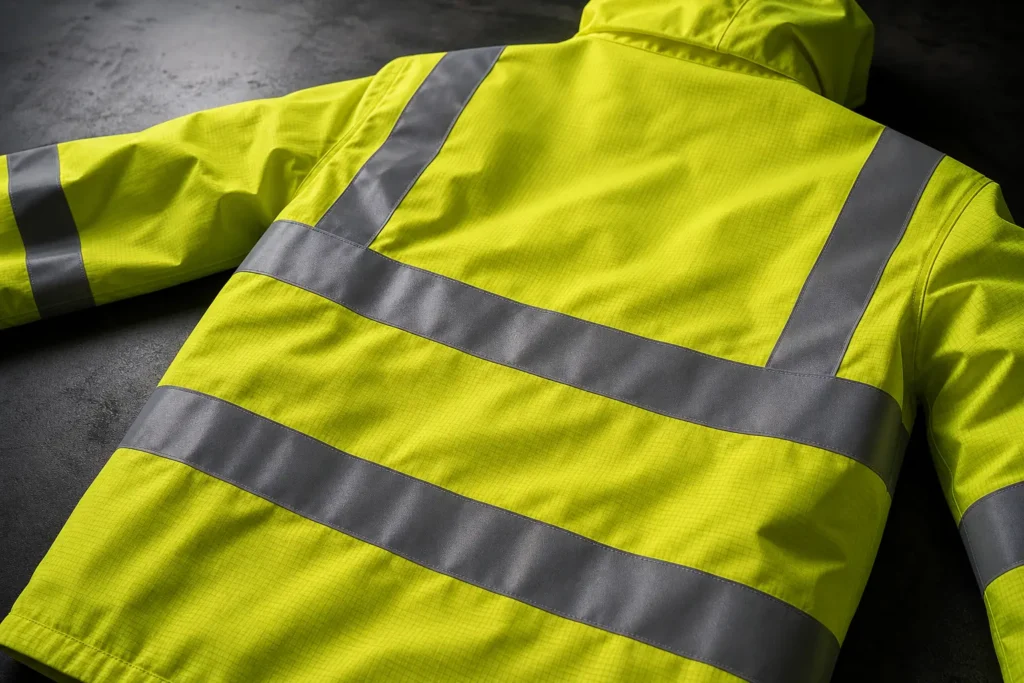
Reflective tape is often associated with high-visibility workwear.
But adding reflective tape to a garment does not automatically make that garment compliant with a particular safety standard.
The placement, amount, material performance, garment design, and intended working environment can all matter.
For example, EN ISO 20471 addresses high-visibility clothing and specifies requirements involving fluorescent background material and retroreflective material.
Therefore, buyers sourcing safety-related workwear should first identify the required market and applicable standard.
Where Reflective Materials May Be Used
Depending on the garment design and requirements, reflective elements can appear on:
- chest areas
- shoulders
- sleeves
- waist
- legs
- back
- trousers
- jackets
- vests
Placement should be determined by the garment design and applicable requirements rather than simply adding decorative strips.
Reinforcement for High-Stress Areas
Workwear frequently experiences more mechanical stress than ordinary clothing.
Areas such as:
- knees
- elbows
- pockets
- seat areas
- shoulder seams
- zipper openings
may experience repeated pulling or abrasion.
Manufacturers can address these areas through construction choices such as additional fabric layers, reinforced stitching, stronger materials, or specific seam configurations.
Functional Pockets
Pockets are another important part of workwear design.
A pocket should be designed around what the worker actually needs to carry.
For example:
- mobile phone
- tools
- pens
- measuring equipment
- documents
- small accessories
A pocket that looks good but cannot safely hold the required item does not provide much practical value.
Pocket placement can also influence movement and comfort.
Zippers, Buttons and Closures
Closures are often overlooked during product development.
However, the choice between:
- zipper
- snap button
- hook-and-loop
- conventional button
- elastic opening
can influence how quickly the garment can be put on, adjusted, or removed.
The working environment should determine the appropriate solution.
Reflective Tape and Washing
For workwear, durability after repeated washing is particularly important.
Reflective components need to remain functional throughout the expected service life of the garment.
This means buyers should not only inspect a new sample but also ask how the material performs under the garment’s expected care conditions.
Industry guidance for high-visibility workwear emphasizes that material performance and garment requirements need to be considered together.
Designing Workwear Around the Job
A good workwear specification starts with the working environment.
Before placing an order, buyers should consider:
Where will the clothing be used?
Indoor warehouse?
Construction site?
Roadside?
Factory?
Outdoor maintenance?
Cold environment?
Hot environment?
The answer can influence fabric, visibility requirements, pockets, reinforcement, closures, and other details.
How We Develop Custom Workwear
For custom workwear projects, our team can translate the customer’s practical requirements into garment specifications.
Instead of treating functional details as afterthoughts, the design can consider:
- intended working environment
- movement requirements
- visibility
- durability
- pocket configuration
- branding
- washing requirements
This approach helps create uniforms that are designed around actual usage.
Final Thoughts
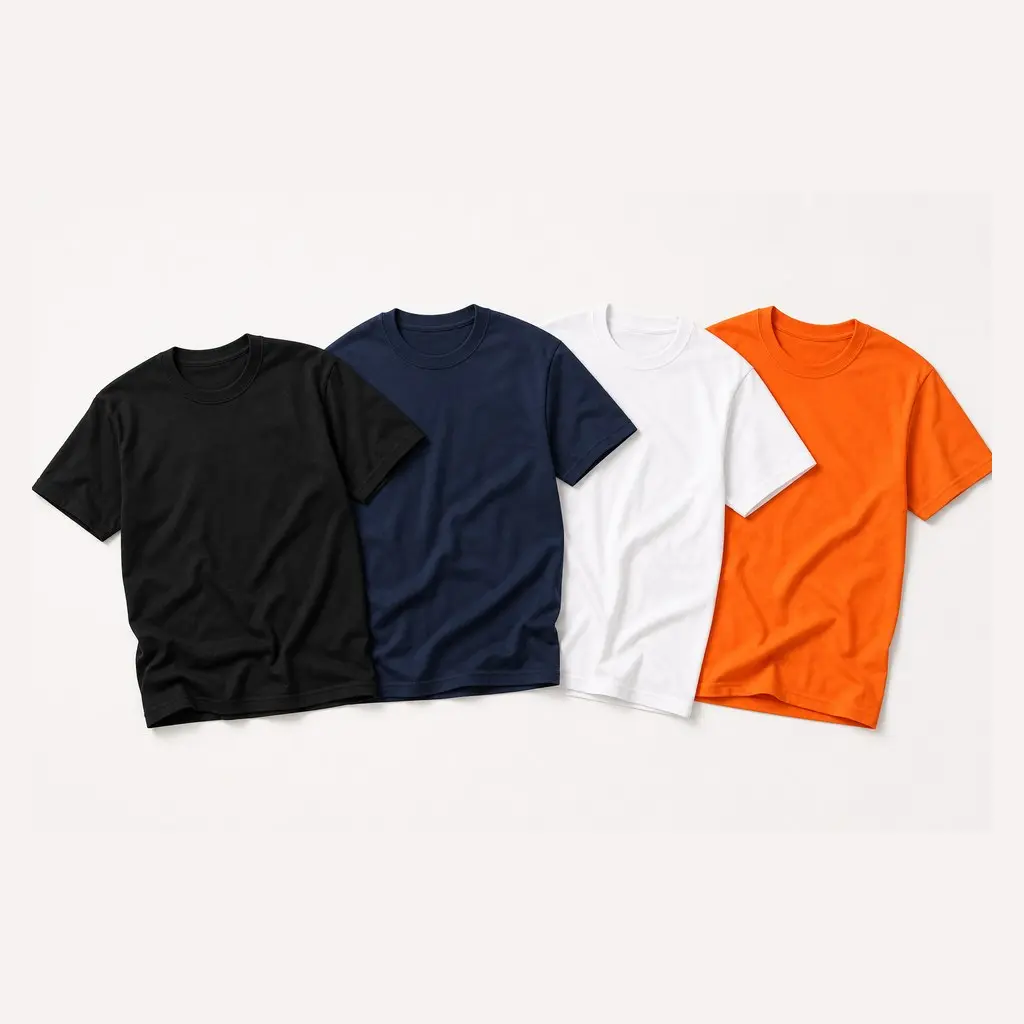
Functional workwear is not simply ordinary clothing with a company logo.
The most important design decisions may be hidden in small details such as seam reinforcement, pocket construction, reflective material, closures, and fabric combinations.
For B2B buyers, defining these details early can make the difference between a uniform that merely looks professional and one that genuinely supports daily work.