Introduction
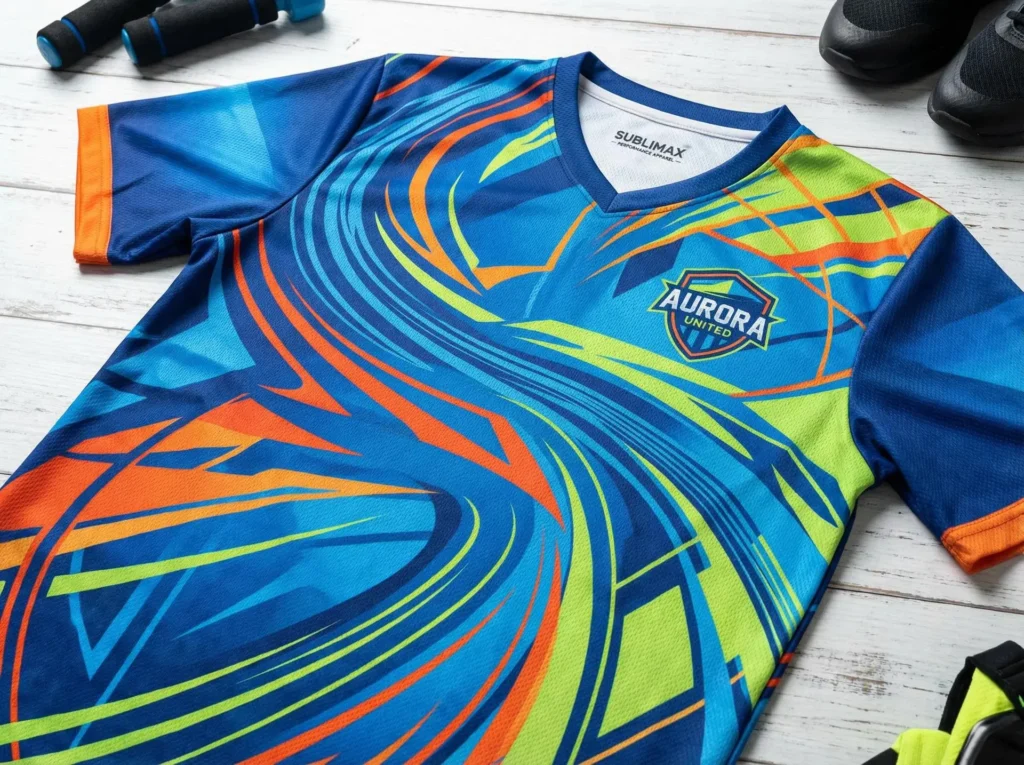
When teams require jerseys with highly customized designs, featuring full-color graphics, gradients, player names, numbers, and sponsor logos, sublimation printing becomes one of the most commonly used methods of decoration.
Unlike traditional surface printing methods, sublimation printing technology allows designs to become an integral part of the fabric itself. This feature makes it particularly suitable for use in performance sportswear and team clothing made from polyester materials.
For international buyers who plan to customize uniforms, understanding how sublimation technology works can help them choose the right fabric, design, and production method for their uniforms.
What Is Sublimation Printing?
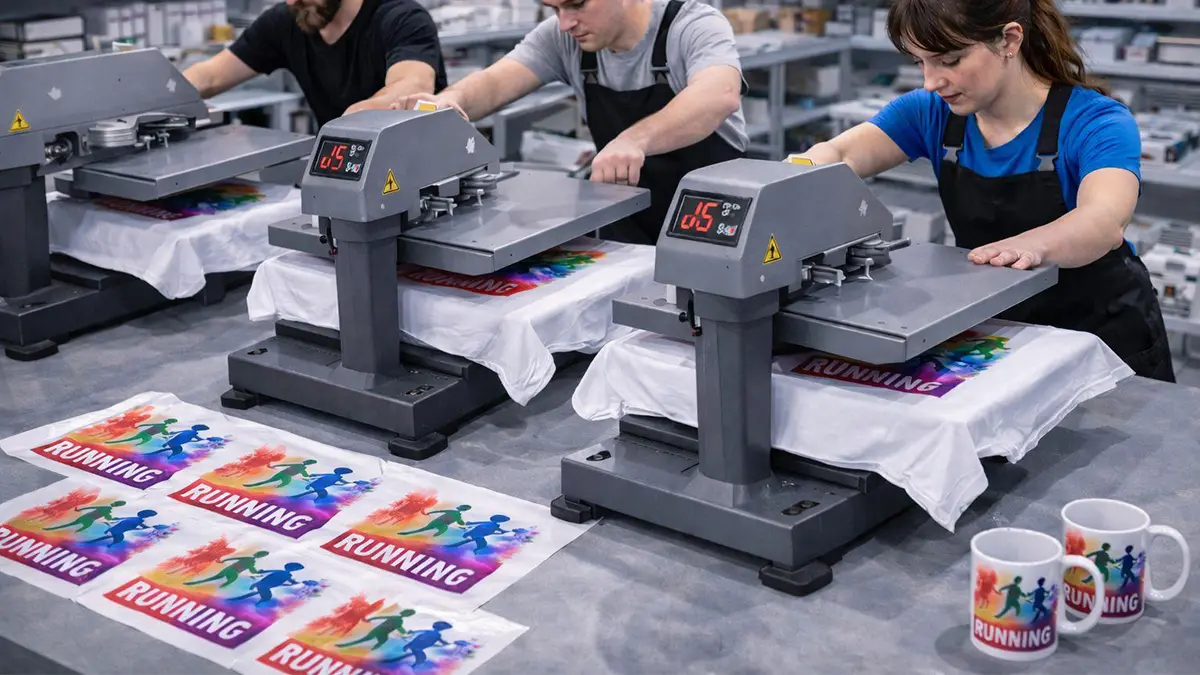
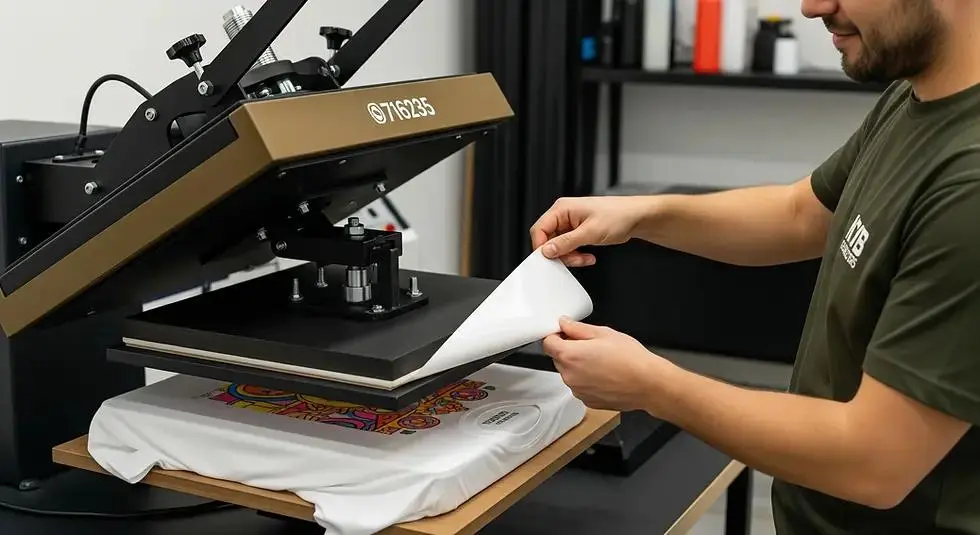
Sublimation printing uses heat to transfer dye into polyester fibers.
The artwork is first printed onto special transfer paper. Under controlled heat and pressure, the dye changes into a gas and penetrates the polyester fabric.
After cooling, the design becomes integrated into the fabric rather than sitting as a separate layer on top.
This is one reason sublimated sportswear can maintain a lightweight and flexible feel.
Why Is Sublimation Popular for Team Jerseys?
One major advantage is design freedom.
A team jersey can include:
- Multiple colors
- Gradients
- Patterns
- Player names
- Player numbers
- Sponsor logos
- Team logos
- Full-body graphics
This makes sublimation particularly useful when teams want a completely customized visual identity.
Recent 2026 teamwear coverage continues to identify sublimation as a major customization method for performance jerseys, particularly where full-color designs and rapid customization are required.
Sublimation Works Best With the Right Fabric
Sublimation is most commonly associated with polyester and polyester-rich fabrics.
This is important because customers should not choose the printing method independently from the garment.
For example, a breathable polyester sports jersey can be designed specifically for sublimation, while a cotton T-shirt may be better suited to screen printing or DTF.
Our custom apparel team evaluates the garment material, artwork, intended use, and production requirements before confirming the decoration method.
Sublimation for More Than Game Jerseys
Although sublimation is strongly associated with sports uniforms, it can also be used for other customized polyester apparel.
Depending on the project, customers may use it for:
- Training shirts
- Running shirts
- Cycling apparel
- Sports shorts
- Team jackets
- Event apparel
- Performance uniforms
This allows businesses and teams to create a consistent visual identity across multiple garments.
What Should Buyers Confirm Before Production?
Before ordering sublimated apparel, international buyers should confirm several details.
1. Fabric Composition
Confirm that the selected fabric is suitable for sublimation.
2. Artwork
Check the resolution, colors, logos, text, names, and numbers.
3. Size Chart
Do not assume that standard sizes are identical between manufacturers.
4. Color Requirements
Brand colors should be clearly communicated before production.
5. Sample Approval
A physical sample or production proof can help confirm the final appearance before bulk manufacturing.
Our production workflow supports customers through artwork confirmation, garment selection, customization, sampling, bulk production, and quality inspection.
Sublimation vs. Other Decoration Methods
Sublimation is not automatically the best option for every custom clothing order.
For example:
Sublimation: Best for polyester performance apparel and full-color designs.
DTF: Useful for detailed graphics, personalized names, numbers, and smaller runs.
Embroidery: Suitable for polos, jackets, caps, and professional logos.
Screen Printing: Often suitable for larger quantities of simple designs.
The right method depends on the complete project rather than the decoration technology alone.
Conclusion
Sublimation printing provides teams with significant freedom to create customized sportswear with detailed and full-color designs.
However, successful sublimation starts with the right polyester fabric, accurate artwork, correct sizing, and careful production planning.
For international customers, working with a manufacturer that can coordinate garment selection, customization, production, and quality control can make the entire sourcing process more efficient.