Introduction
For corporate uniforms, workwear, team sweatshirts, jackets, hoodies, and promotional clothing, two of the most common methods of decoration are embroidery and printing.
Neither of these methods is universally superior. The right choice depends on the type of garment, the design of the logo, the quantity required, the appearance of the product, and its intended use.
What Makes Embroidery Different?
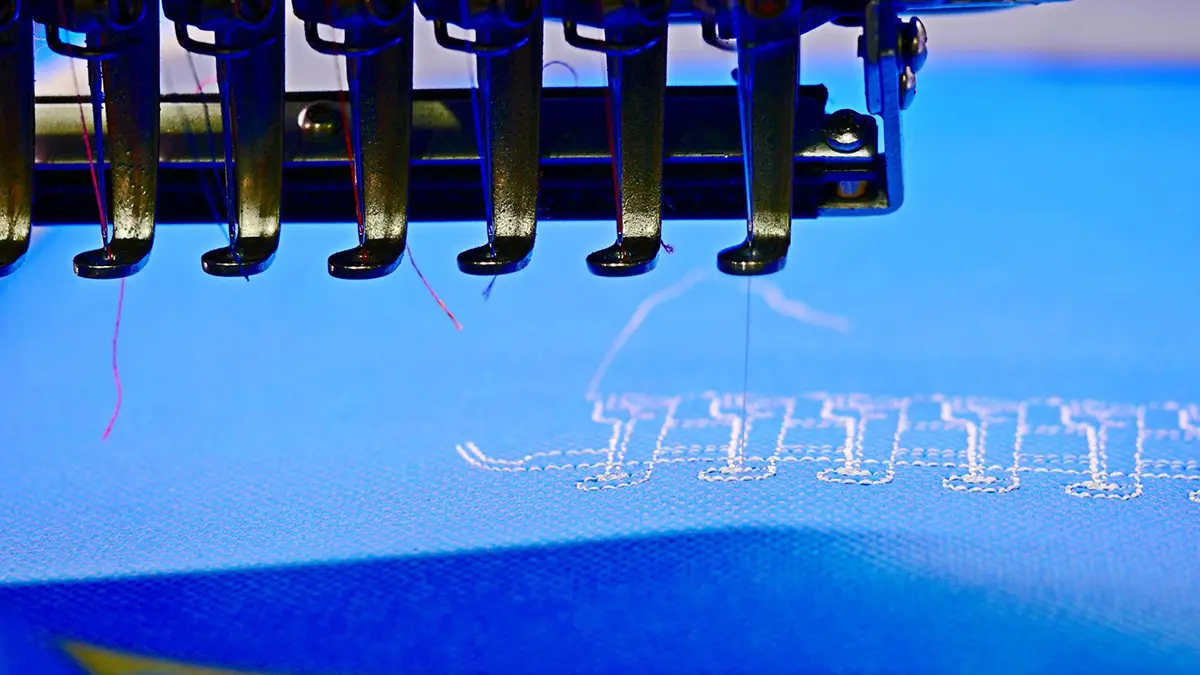
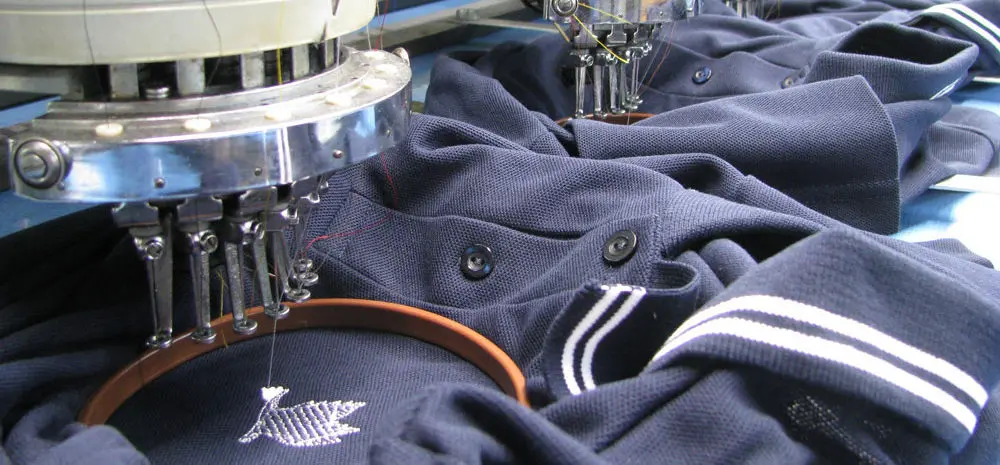
Embroidery uses thread to recreate a logo or design directly on the garment.
Instead of adding a printed image, the logo becomes a stitched element with visible texture.
This can create a professional and premium appearance.
Embroidery is particularly common for:
- Polo shirts
- Jackets
- Caps
- Corporate uniforms
- Workwear
- Hoodies
- Staff clothing
For companies that want their employees to present a consistent professional image, embroidered logos can be an effective choice.
When Should You Choose Printing?
Printing is often more flexible when the artwork contains many colors, gradients, detailed illustrations, or photographic elements.
Depending on the garment and artwork, customers may choose:
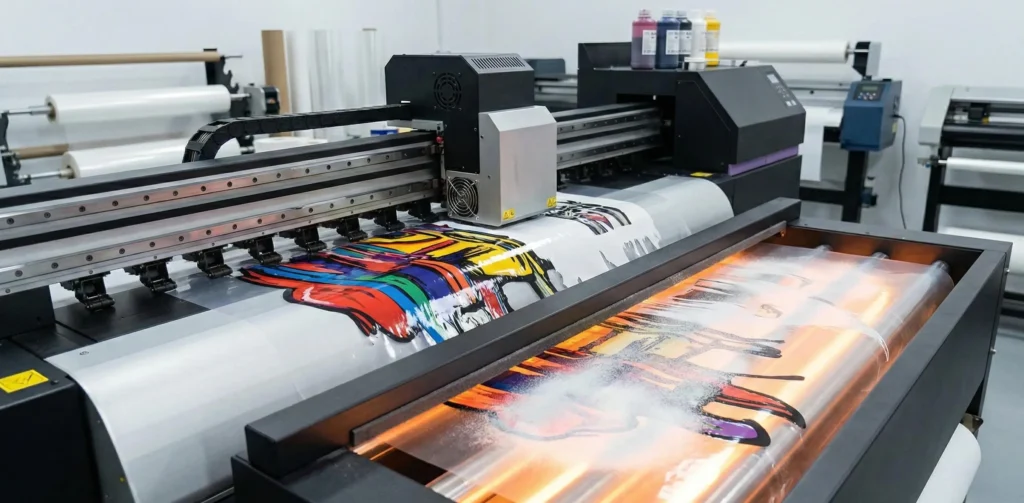
- DTF printing
- Screen printing
- Heat transfer
- Sublimation
For example, a company organizing a promotional event may need hundreds of T-shirts with a large, colorful graphic. Screen printing may be suitable for a large quantity with a relatively simple design.
A smaller order with complex artwork may be better suited to DTF.
Embroidery Is Not Ideal for Every Logo
One common mistake is assuming that every logo can simply be embroidered.
Very small text, extremely thin lines, complex gradients, and detailed images may not translate well into stitches.
Before production, the artwork may need to be digitized or simplified.
Our custom apparel team reviews artwork before production and can recommend an appropriate decoration method according to the garment and design.
Printing Is Not Always the Cheapest Option
The cheapest decoration method depends on the entire order.
For example, screen printing may become more cost-effective for larger quantities because setup costs can be distributed across many garments.
DTF can be more flexible for smaller orders and personalized designs.
Embroidery can provide strong long-term value for corporate garments where appearance and durability are priorities.
Therefore, customers should compare the complete project cost rather than looking only at the decoration price per piece.
How Should Businesses Choose?
A simple comparison can help:
| Requirement | Recommended Method |
|---|---|
| Professional company logo | Embroidery |
| Polo shirts | Embroidery |
| Caps | Embroidery |
| Detailed colorful artwork | DTF |
| Large quantity of simple T-shirts | Screen printing |
| Full-color polyester sportswear | Sublimation |
| Personalized names and numbers | DTF / Heat Transfer |
These are general guidelines rather than fixed rules.
The final recommendation should consider the fabric, design, quantity, garment construction, and intended use.
Combining Methods Can Be More Effective
A corporate apparel program does not need to use the same technique on every product.
For example:
A company could use embroidered polos for sales staff, DTF-printed T-shirts for events, embroidered jackets for management, and sublimated sportswear for an employee sports team.
This creates a consistent brand identity while allowing each garment to use an appropriate decoration method.
Our Custom Apparel Approach
Our team supports customers from garment selection to final production.
Instead of simply asking customers to choose a printing technique, we consider:
- Garment material
- Artwork complexity
- Order quantity
- Intended use
- Budget
- Desired appearance
- Expected durability
This helps international customers choose a production solution that matches the actual requirements of their project.
Conclusion
Embroidery and printing each have their own strengths.
Embroidery is often an excellent choice for professional corporate logos, while printing offers greater flexibility for colorful and detailed artwork.
The best custom apparel projects start by matching the decoration technique with the garment and application.
For businesses ordering customized clothing internationally, this approach can improve both appearance and production efficiency.