Introduction
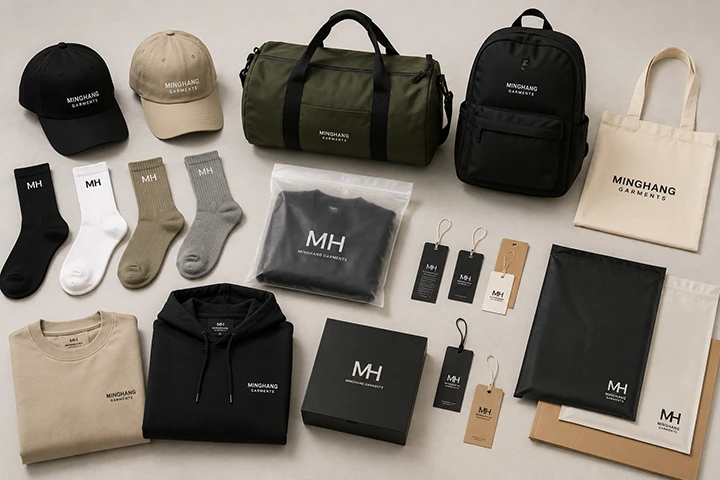
A custom apparel order does not always consist of one garment.
A buyer may order:
- T-shirts
- Hoodies
- Jackets
- Shorts
- Polo shirts
- Team uniforms
as part of one program.
This creates a different production challenge from manufacturing one repeated style.
Each style may have its own:
- Pattern
- Fabric
- Trims
- Construction
- Decoration
- Size range
- Quantity
- Production requirements
Managing these products together requires coordination across the entire production process.
1. What Is a Multi-Style Order?
A multi-style order is an order containing several different garment designs or SKUs.
For example, a sports organization might order:
Style A: Training T-shirt
Style B: Competition jersey
Style C: Training shorts
Style D: Team jacket
Even if all products share the same brand identity, their manufacturing processes can be very different.
2. Why Multi-Style Orders Are More Complex
A single-style order may move through a relatively straightforward process.
A multi-style order creates multiple production paths.
For example:
Style A → Fabric A → Sewing Line 1
Style B → Fabric B → Sewing Line 2
Style C → Fabric C → Specialized Operation
These paths may eventually need to converge before packing and shipment.
That creates additional coordination requirements.
3. Create a Master Order Sheet
One useful method is to create a master order document containing every style.
It can include:
| Item | Style | Color | Quantity | Material | Status |
|---|---|---|---|---|---|
| 1 | Training Top | Black | 500 | Polyester | Production |
| 2 | Match Jersey | Blue | 800 | Polyester | Sampling |
| 3 | Training Shorts | Black | 500 | Stretch Fabric | Cutting |
| 4 | Jacket | Navy | 300 | Woven Fabric | Material Preparation |
The exact format can vary.
The important thing is that every style has a clear status.
4. Separate Shared Information From Style-Specific Information
Some information may be common to every style.
For example:
- Brand logo
- Packaging requirements
- Shipping destination
- General quality requirements
Other information is style-specific.
For example:
- Fabric
- Pattern
- Measurements
- Decoration
- Labels
- Construction
Separating these two categories can make communication easier.
5. Coordinate Materials Before Production
Different styles can require different materials.
If one style is ready but another is waiting for fabric, the production schedule may become difficult to coordinate.
Buyers should therefore track:
- Fabric status
- Trim status
- Label status
- Decoration material
- Packaging material
A production schedule should reflect actual material readiness.
A schedule based only on the desired delivery date may not be realistic.
6. Group Similar Production Requirements
When possible, similar styles may be coordinated to reduce unnecessary changes.
For example, garments using:
- Similar fabric
- Similar sewing operations
- Similar decoration
- Similar machinery
may have opportunities for more efficient production planning.
However, styles should not be grouped simply for convenience if doing so creates quality or scheduling problems.
7. Prioritize Critical Styles
Not every style necessarily has the same importance.
A buyer can identify:
Launch-critical styles
Products that must be available for a specific launch.
Core styles
Products expected to represent the main volume.
Secondary styles
Products that are useful but have more flexible timing.
This allows the production team to understand which deadlines are truly critical.
8. Coordinate Different Production Lines
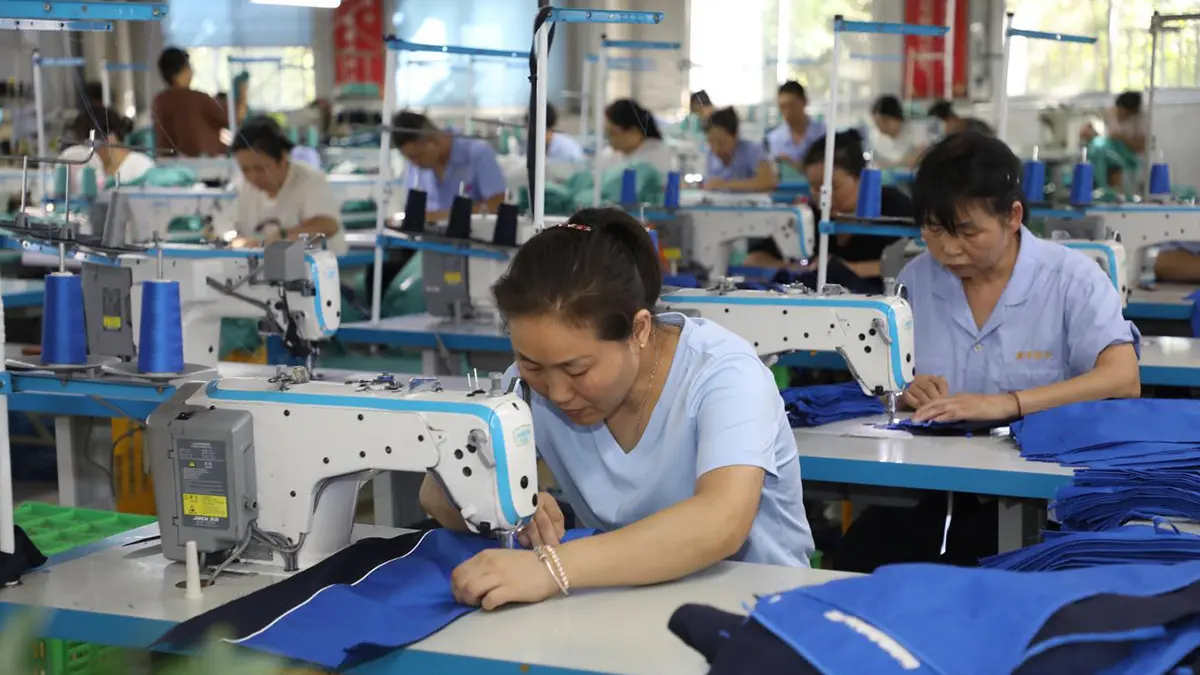
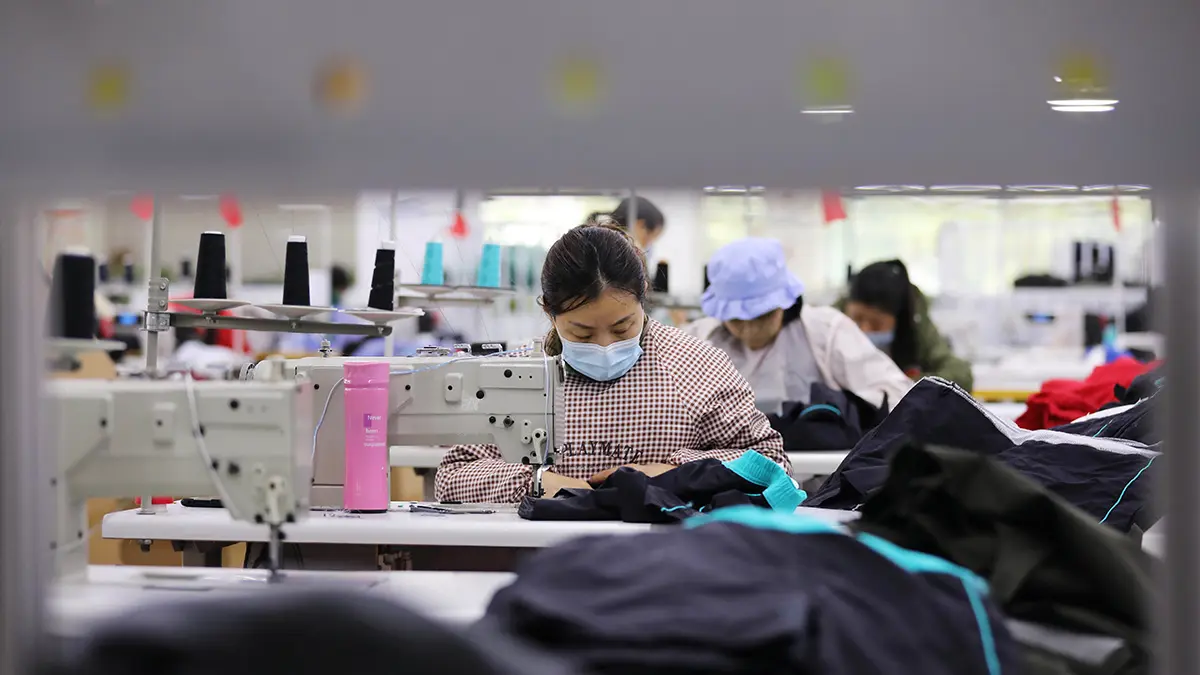
A factory may use different lines or production areas for different garment types.
One line may handle knitwear.
Another may be better suited to woven garments.
Another may handle more technical products.
The production manager needs to coordinate these schedules so that the complete order can eventually be finished together.
Production-planning literature describes order scheduling as a process of matching orders with available capacity, labor, materials, production lines, and deadlines.
9. Avoid Tracking Only the Overall Order
One common mistake is to ask:
“How is my order going?”
That question may not be specific enough.
A better approach is to ask:
- Is Style A cut?
- Is Style B sewing?
- Is Style C waiting for material?
- Is Style D in finishing?
- Which style is currently the bottleneck?
A multi-style order can be 80% complete overall while one critical style is still not ready.
Therefore, progress should be tracked by style.
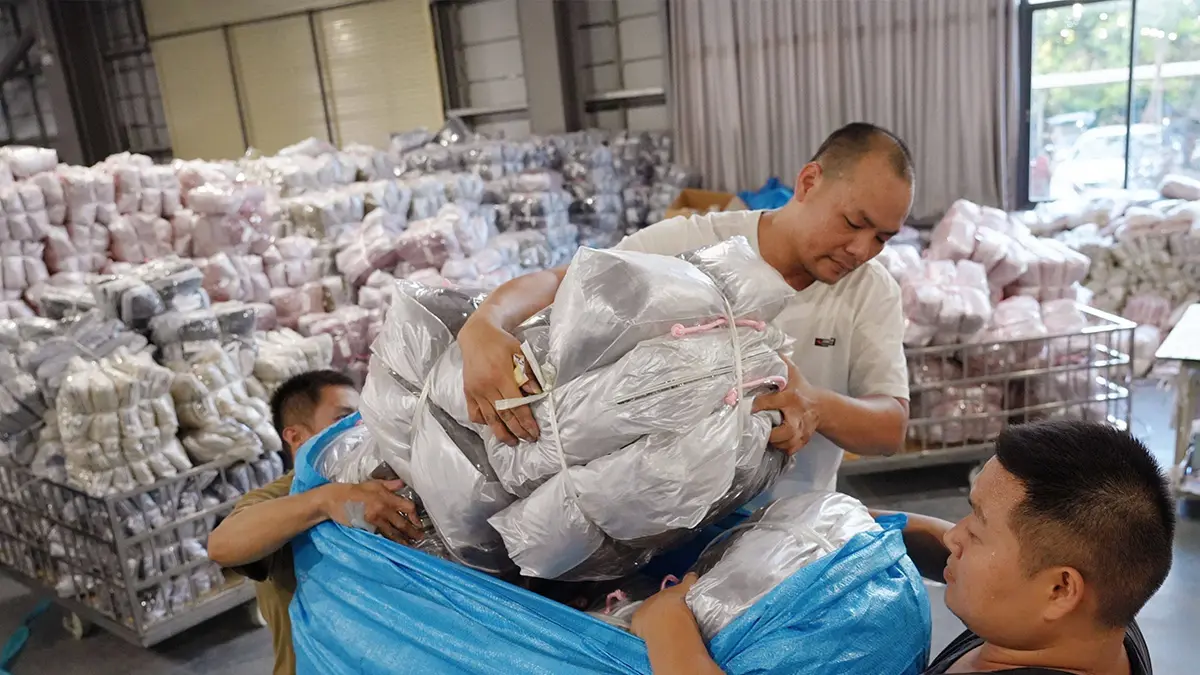
10. Final Consolidation Matters
The production process is not finished when each style is individually completed.
The styles may still need to be:
- Inspected
- Counted
- Sorted
- Packed
- Matched with the correct documentation
- Consolidated for shipment
For a teamwear program, for example, the buyer may need all garments to arrive together.
Therefore, the final stage should be planned from the beginning rather than added at the end.
What Buyers Should Ask Their Manufacturer
For a multi-style order, buyers can ask:
- Can you provide a production schedule by style?
- Which materials are still pending?
- Which styles use the same production resources?
- Which style currently controls the overall schedule?
- How are different styles identified during production?
- How will completed styles be consolidated?
- Will the entire order be inspected before shipment?
These questions create much better visibility.
Our Approach to Custom Apparel
For multi-style custom apparel programs, our approach is to treat the order as one coordinated project rather than a collection of unrelated products.
Each style can maintain its own specifications and production status while the overall program is managed against shared milestones such as material readiness, production completion, inspection, packing, and shipment.
This helps maintain visibility when multiple garments are moving through different production stages at the same time.
Conclusion
Multi-style apparel orders offer buyers greater product variety, but they also introduce additional production complexity.
The key challenge is not simply manufacturing each garment separately.
It is coordinating different materials, production operations, schedules, quality checkpoints, and final packing requirements so that the entire order moves toward completion together.
For B2B buyers, the most useful approach is to track each style individually while managing the order as one overall production program.
That creates clearer communication and makes potential delays easier to identify before they affect the final delivery.