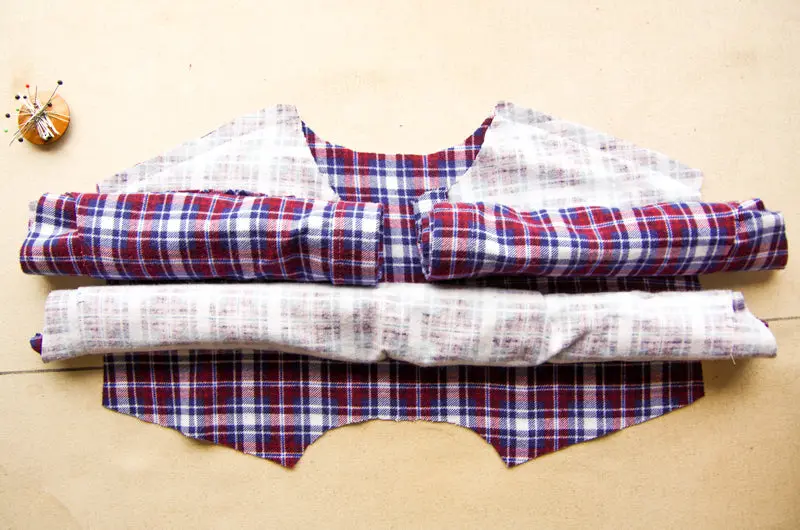
The hood is an important feature of a custom windbreaker, especially for outdoor and activewear applications.
Some windbreakers include a shaped visor or extended front edge to help direct light rain away from the face. This small component can improve the hood’s appearance and functional design.
For custom outerwear suppliers, hood visor construction requires careful attention to shape, support, and visibility.
1. Understand the Function of a Hood Visor
A hood visor is an extended section along the front edge of a hood.
It helps create a more defined opening and can provide additional coverage above the face.
The visor should complement the hood design rather than make the front opening unnecessarily large or rigid.
Its dimensions should be considered together with the hood depth and overall garment style.
2. Develop the Correct Visor Shape
The visor may be slightly curved, relatively flat, or shaped to follow the hood opening.
A curved visor can create a more structured appearance, while a softer edge may suit lightweight windbreakers.
The pattern should be symmetrical so that both sides of the hood maintain a consistent shape.
The visor should also follow the natural contour of the face without blocking peripheral vision.
3. Select Suitable Supporting Materials
Some hood visors use an additional supporting layer to help maintain their shape.
The support should be flexible enough to follow the hood while preventing the front edge from collapsing too easily.
A support that is too stiff may create discomfort or make the hood difficult to fold. A support that is too soft may fail to maintain the intended shape.
The choice should be tested with the actual shell fabric and lining combination.
4. Control the Connection Between Visor and Hood
The visor should be attached smoothly to the hood panels.
Uneven feeding during sewing may create puckering or cause one side of the front opening to sit differently from the other.
Seam allowances should be managed carefully, particularly where the visor curves around the front opening.
The finished edge should be clean and should not contain excessive fabric bulk.
5. Consider Visibility and Hood Adjustment
The visor should not interfere with the wearer’s field of vision.
When the hood is worn, its front edge should remain in a comfortable position without falling too close to the eyes.
If the hood includes adjustment features, the visor should retain a balanced shape when the opening is tightened or loosened.
6. Inspect the Hood on a Wearer
A hood visor should be evaluated on the finished windbreaker rather than only on a flat sample.
Suppliers should check:
- Left and right side symmetry
- Consistent front-edge shape
- Smooth stitching and finishing
- Appropriate visor stiffness
- Comfortable forehead and face clearance
- Visibility during normal head movement
- Shape retention after folding and handling
Conclusion
A well-designed hood visor can improve the structure and practical appearance of custom windbreakers. By controlling its shape, support, attachment, and visibility, suppliers can create hoods that look balanced and remain comfortable during outdoor use.