

T-shirts are usually made from knitted fabrics that offer flexibility and comfort. However, their stretch characteristics can also make certain areas vulnerable to distortion.
The shoulder seam is one such area. It connects the front and back panels and helps maintain the upper-body shape of the garment.
Shoulder tape can be incorporated into this seam to improve stability and help the shirt maintain its intended construction.
1. Understand the Purpose of Shoulder Tape
Shoulder tape is a narrow strip of material applied along or within the shoulder seam.
It helps stabilize the seam and limits unwanted stretching during sewing, wearing, and laundering.
Without suitable stabilization, some lightweight T-shirts may develop stretched shoulder seams or an uneven neckline.
The tape should support the fabric without removing the flexibility needed for comfortable wear.
2. Choose a Suitable Tape Material
The tape should be compatible with the main fabric.
Common considerations include:
- Material thickness
- Width
- Flexibility
- Stretch characteristics
- Resistance to repeated washing
A tape that is too rigid may create an uncomfortable shoulder area. A tape that stretches too easily may provide insufficient support.
The best choice depends on the T-shirt fabric and intended garment weight.
3. Determine the Correct Tape Placement
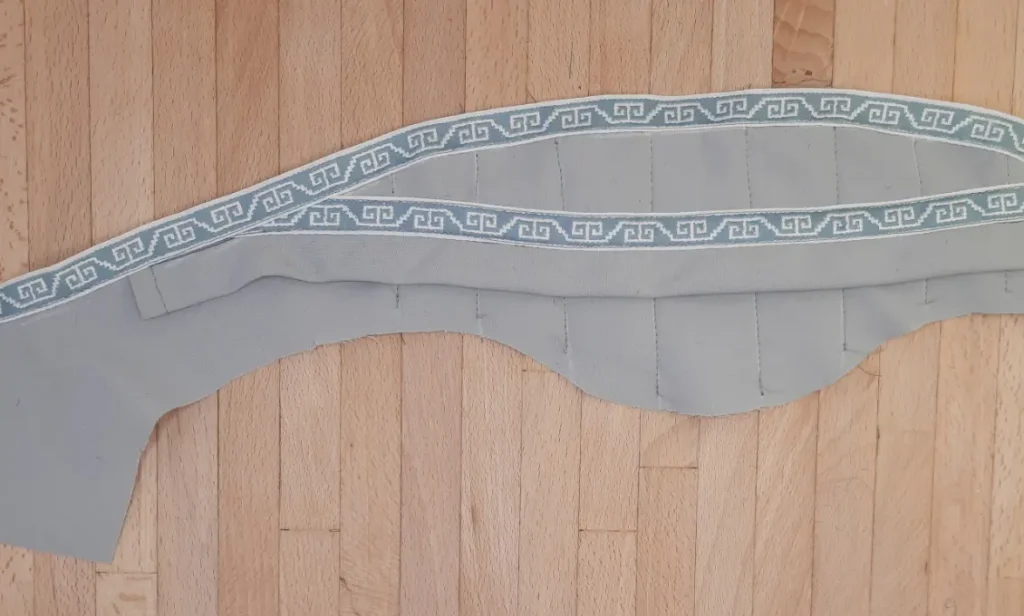
Shoulder tape is commonly positioned along the shoulder seam, between or alongside the joined garment layers depending on the construction method.
Its length should cover the area that needs stabilization without creating unnecessary bulk near the neckline or sleeve opening.
The tape should remain straight and should not be stretched excessively during attachment.
Uneven placement can create a twisted seam or visible distortion on the garment exterior.
4. Match the Tape to Different T-Shirt Styles
Different T-shirt designs may require different stabilization approaches.
A lightweight promotional T-shirt may need a soft and discreet tape, while a heavier cotton T-shirt may use a more substantial material.
For oversized T-shirts, the shoulder seam may extend farther down the arm. The tape should follow the actual shoulder seam rather than relying on a standard placement length.
5. Control Sewing Tension
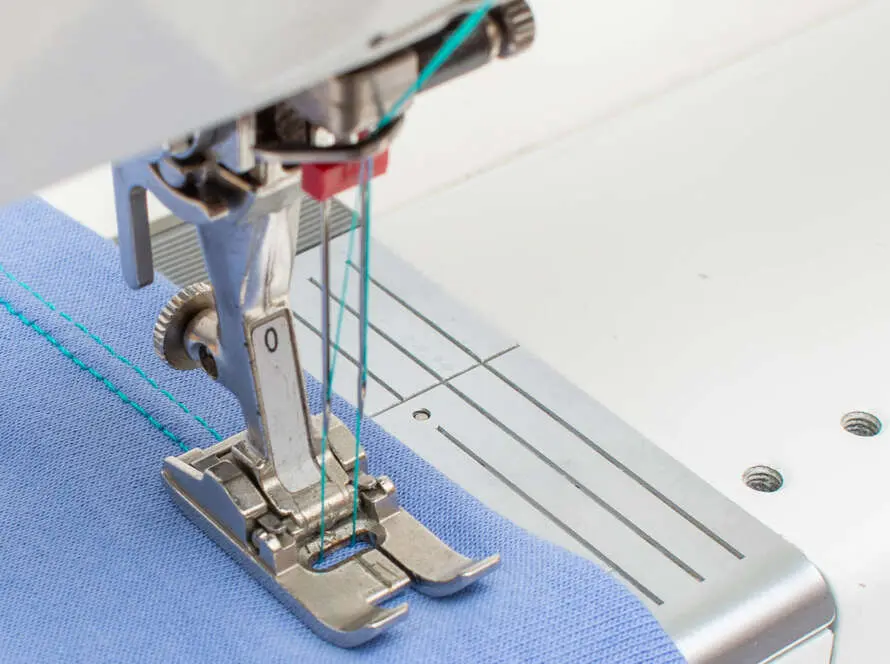
The shoulder tape and main fabric should feed through the sewing machine consistently.
If the fabric stretches while the tape remains stable, the seam may become wavy or gathered.
If the tape is pulled during sewing, it may shorten the shoulder area and affect the garment’s fit.
Suppliers should check machine feeding and stitch tension on the actual fabric combination.
6. Inspect the Finished Shoulder Area
After sewing, inspect the shoulder seams from both the inside and outside.
Look for:
- Smooth shoulder lines
- No puckering or gathering
- Even seam width
- Correct tape placement
- No excessive stiffness
- Balanced front and back shoulder connections
A finished T-shirt should also be checked on a wearer to confirm that the shoulder area remains comfortable.
Conclusion
Shoulder tape can help improve the stability of custom T-shirts, especially when lightweight knitted fabrics are used. Choosing compatible tape, maintaining accurate placement, and controlling sewing tension help suppliers create cleaner and more consistent shoulder construction.

