
Appliqué is a garment decoration technique in which one piece of fabric is attached to another to create a shape, pattern, or visual feature.
It can be used on jackets, sweatshirts, uniforms, sportswear, and casual apparel. Compared with some other decoration methods, appliqué can introduce texture, layered colors, and raised details.
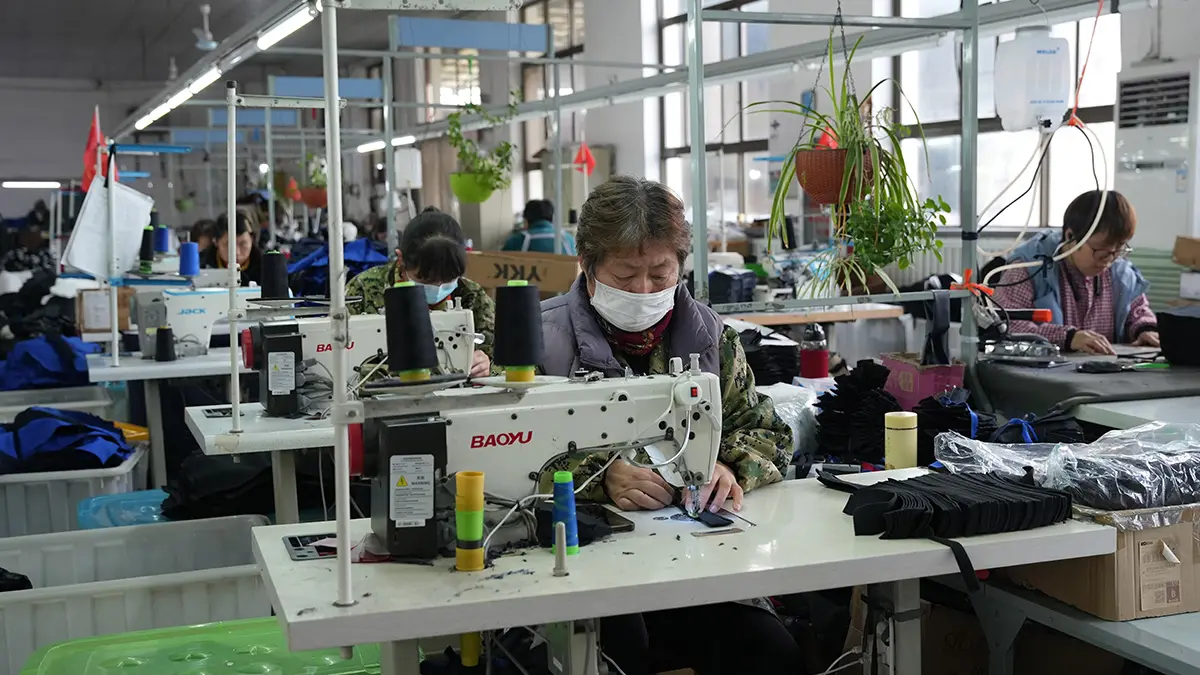
For custom apparel suppliers, material selection and edge construction are essential to achieving a clean and durable result.
1. Choose Compatible Base and Appliqué Fabrics
The appliqué fabric should work well with the garment’s main material.
Consider differences in thickness, stretch, weight, texture, and washing behavior.
For example, attaching a rigid woven patch to a highly elastic knit garment may cause the surrounding fabric to pull or distort.
A compatible material combination helps the decoration sit more naturally on the garment.
2. Select an Appropriate Edge Finish
The edge finish influences both appearance and durability.
Common options include:
- Raw-edge appliqué: Uses an unfinished edge, often secured with stitching or adhesive support.
- Satin-stitch edge: Covers the edge with dense stitching for a defined outline.
- Turned-edge appliqué: Folds the fabric edge underneath for a cleaner appearance.
- Decorative stitched edge: Uses visible stitching as part of the design.
The best option depends on the fabric, shape, and desired visual effect.
3. Consider Shape Complexity
Simple geometric shapes are generally easier to cut and attach consistently.
Very small details, narrow points, and complicated curves can be more difficult to construct. They may require careful cutting and specialized stitching.
When designing appliqué for custom team clothing, the artwork should be evaluated at the actual finished size rather than only on a computer screen.
4. Choose a Suitable Attachment Method
Appliqué can be secured through machine stitching, hand stitching, or a combination of adhesive support and stitching.
The selected method should be compatible with the garment material and expected use.
Adhesive support can help keep the fabric in position during construction, but it should not automatically be treated as a replacement for suitable stitching where durability is required.
5. Prevent Distortion During Sewing
Stretch fabrics and large appliqué sections may distort if they are not supported properly.
Suitable stabilizers can help maintain the shape during stitching. The amount of stabilization should be appropriate for the garment so that the decorated area does not become excessively stiff.
Temporary positioning methods can also reduce movement during sewing.
6. Check the Inside and Outside Finish
Inspect the decoration from both sides.
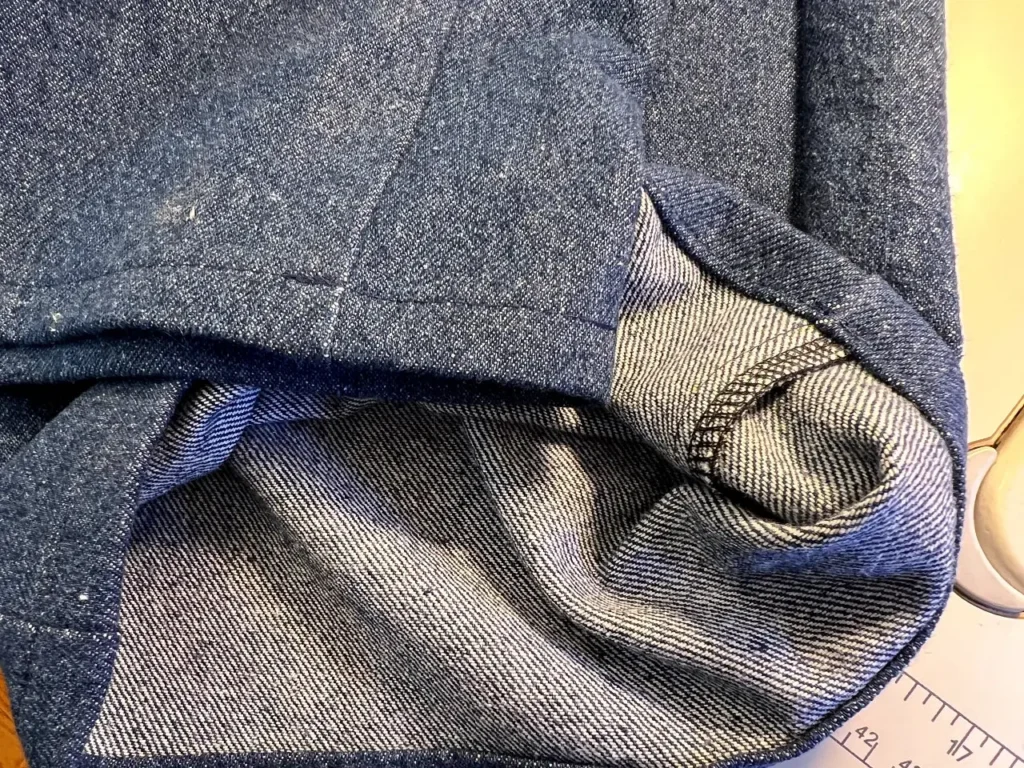
The outside should have clean edges, consistent stitching, and no unwanted puckering. The inside should not contain rough edges or excessive thread buildup that could irritate the wearer.
The decorated area should also be checked after appropriate washing and wear testing.
Conclusion
Appliqué offers custom apparel suppliers a flexible way to add texture, color, and distinctive design details. Careful material selection, edge finishing, stabilization, and attachment methods help ensure that the decoration remains attractive and durable.

