
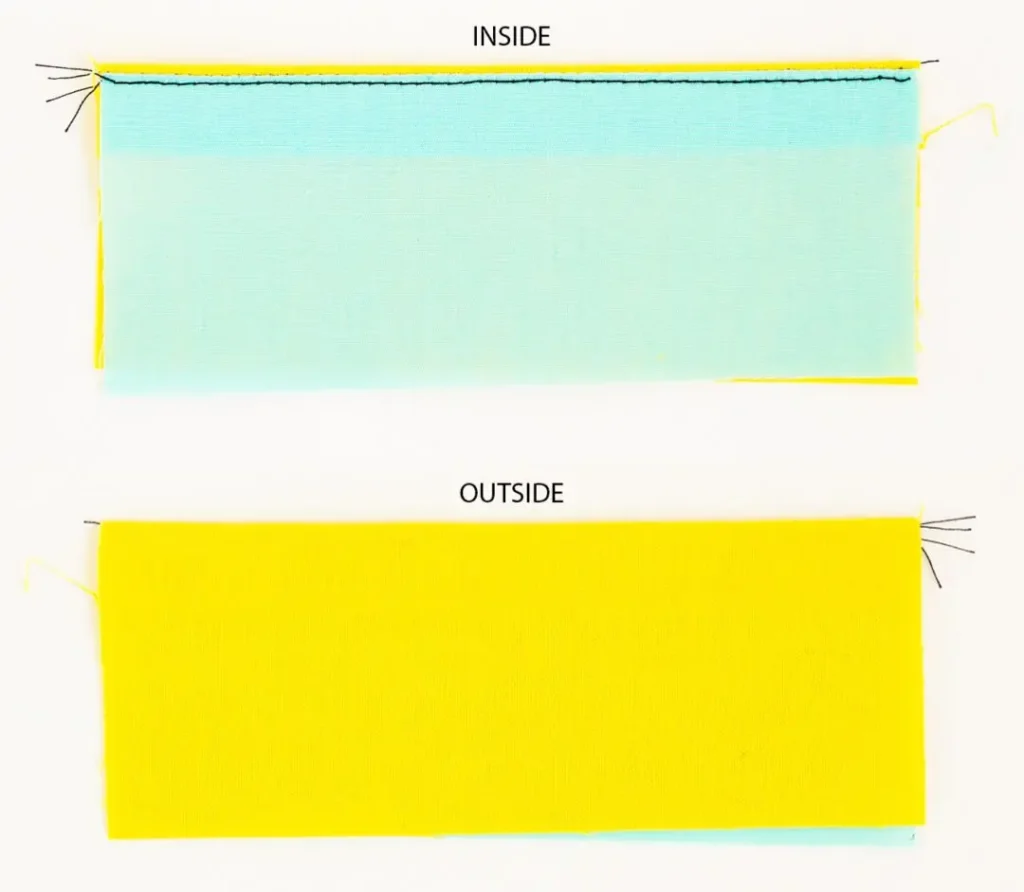
Seam allowance is the extra fabric between the stitching line and the raw edge of a garment piece. It may not be visible on the finished garment, but it plays an important role in construction, durability, and fit.
For custom apparel suppliers, seam allowance should be planned according to fabric type, seam location, and the intended finishing method.
1. Understand Why Seam Allowance Matters
Seam allowance provides the material needed to join garment pieces together.
An allowance that is too narrow may weaken the seam or make finishing difficult. An unnecessarily wide allowance may create bulk, especially where several seams meet.
The appropriate width depends on the garment construction rather than one universal measurement.
2. Consider Different Fabric Types
Different materials behave differently during sewing.
Lightweight fabrics may require careful handling to prevent fraying or distortion. Thick materials may need narrower or specially shaped allowances in bulky areas.
Stretch fabrics also require attention because the seam construction must accommodate fabric movement without creating excessive tension.
3. Adjust Seam Allowance for Different Areas
Different garment areas may require different seam allowance treatments.
- Shoulder seams: Should provide sufficient strength for the garment’s weight.
- Side seams: May need enough allowance to support fitting adjustments.
- Armholes: Require careful shaping to avoid unnecessary bulk.
- Neckline curves: Often need trimming or clipping to help the edge lie flat.
- Hem areas: May require a wider allowance depending on the desired finish.
These details should be established during pattern development.
4. Finish Raw Edges Appropriately
Raw edges may fray or become untidy if left unfinished.
Common finishing methods include overlocking, binding, zigzag stitching, and enclosed seams.
The best method depends on the garment type, fabric characteristics, and the appearance required on the inside.
5. Manage Curved Seam Allowances
Curved areas require special attention.
Concave curves may need clipping so the seam allowance can spread smoothly. Convex curves may need notching to reduce excess material.
These adjustments should be made carefully without cutting through the stitching line.
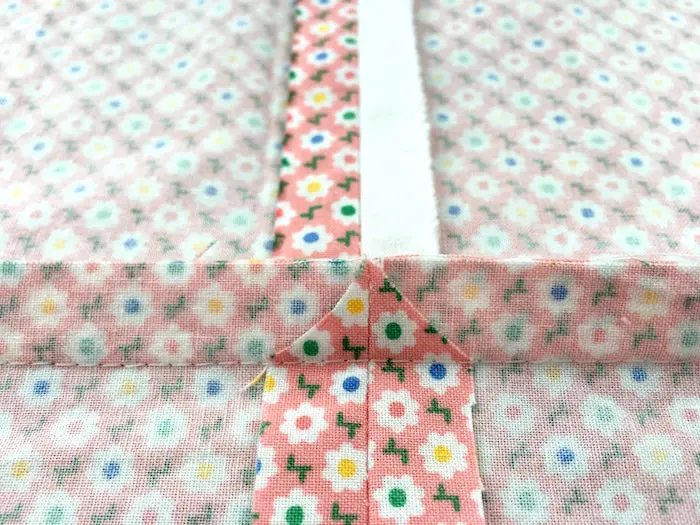
6. Avoid Excessive Bulk at Seam Intersections
Where multiple seams meet, accumulated allowances can create thick areas.
Grading seam allowances, staggering layers, or selecting suitable seam constructions can help reduce bulk.
The finished area should remain smooth and comfortable rather than forming a hard ridge.
7. Inspect the Inside of the Garment
Garment quality should not be judged only by its exterior appearance.
Check the inside for loose threads, uneven overlocking, exposed raw edges, and inconsistent seam allowances.
A clean interior contributes to comfort and helps the garment maintain a professional finish.
Conclusion
Seam allowance is a small but essential part of custom garment construction. Proper planning, suitable finishing methods, and careful control of seam intersections help improve garment strength, comfort, and overall quality.

