A placket is a functional garment feature that allows an opening to be fastened or adjusted. It is commonly used on shirts, polos, jackets, uniforms, and other custom apparel.
Although a placket may appear to be a simple strip of fabric, its construction affects the garment’s appearance, ease of dressing, and durability. For custom apparel suppliers, choosing the right opening structure is an important part of garment development.
1. Understand Different Placket Structures
Different garments require different placket constructions.
- Standard shirt placket: Commonly used on button-front shirts, with a structured opening and visible buttons.
- Concealed placket: Hides the buttons beneath an additional fabric layer for a cleaner appearance.
- Continuous bound placket: Often used for smaller openings, including sleeve openings.
- Polo placket: A shorter opening commonly used with polo shirts and casual tops.
- Zipper placket: Combines a zipper with fabric construction to create a functional opening.
The choice should reflect the garment’s style, intended use, and fastening requirements.
2. Plan Button Spacing Carefully
Button spacing affects both appearance and function.
If buttons are too far apart, the fabric may pull open between fastening points. If they are too close together, the front may look crowded and require unnecessary reinforcement.
The spacing should also account for the garment’s fabric weight, fit, and opening length.
3. Reinforce Areas Around Buttons and Buttonholes
Buttonholes and button attachment points experience repeated pulling during wear.
Lightweight fabrics may require suitable interfacing or additional reinforcement to prevent stretching and tearing.
The reinforcement should support the fabric without creating excessive stiffness or visible bulk.
4. Consider Button Size and Material
Buttons should be proportionate to the garment and compatible with its fabric.
Large buttons may suit outerwear, while smaller buttons are often more appropriate for lightweight shirts. Their thickness, weight, and surface finish should also be considered.
For workwear and uniforms, button security is particularly important because garments may experience frequent movement and repeated washing.
5. Maintain a Straight and Balanced Opening
A well-constructed placket should lie flat and follow the intended garment center line.
Uneven stitching, inconsistent widths, and distorted fabric can make the front opening appear crooked.
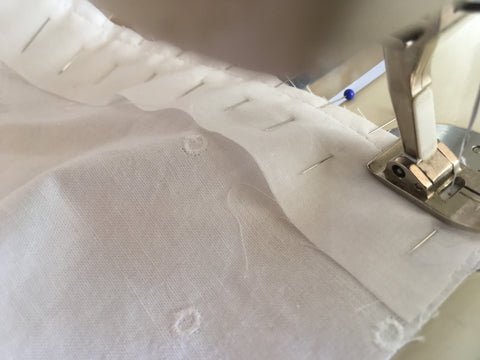
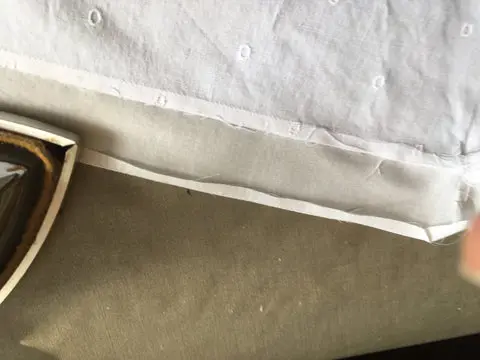
During construction, careful marking and pressing help maintain a clean and consistent result.
6. Check Functionality on the Finished Garment
Fasten and unfasten the garment several times. Check whether the buttons pass through the buttonholes comfortably and whether the fabric remains flat when worn.
The wearer should also test the garment while sitting, bending, and moving to ensure the opening does not create unnecessary tension.
Conclusion
Placket design combines function and appearance. By selecting a suitable opening structure, controlling button spacing, reinforcing fastening points, and checking the finished garment, custom apparel suppliers can create clothing that looks professional and works reliably.