
Color blocking is a popular way to create distinctive custom apparel without relying entirely on printed graphics or decorative accessories. By combining different fabric colors within one garment, designers can create visual structure, highlight specific areas, and establish a recognizable team identity.
However, successful color blocking requires more than choosing several attractive colors. Panel shapes, proportions, fabric properties, and seam positions all influence the finished result.
1. Decide the Visual Purpose of Each Color
Before dividing a garment into panels, determine what each color is intended to achieve.
A dominant color can establish the overall appearance, while secondary colors can emphasize selected areas. A small accent color may be enough to create contrast without overwhelming the garment.
For corporate team clothing, it is usually helpful to consider the organization’s existing visual identity and how the garment will look when worn by a group.
2. Choose Panel Shapes That Work With the Garment
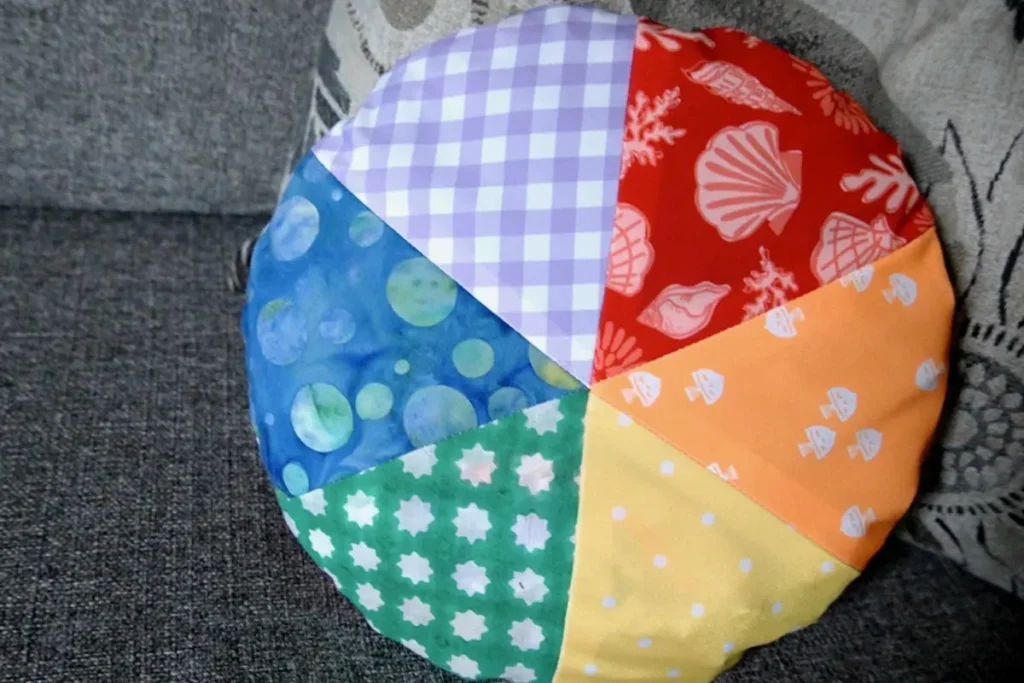
Color-blocked sections can be arranged vertically, horizontally, diagonally, or through curved panel lines.
Vertical panels can create a longer visual line, while horizontal panels divide the garment into distinct sections. Diagonal and curved panels can introduce movement and a more dynamic appearance.
The chosen shapes should follow the garment’s construction rather than create unnecessary complications.
3. Consider Panel Proportions
The size of each color area affects the visual balance of the garment.
If a contrasting color occupies too much space, it may become the dominant visual element. If it is used in a smaller area, it can work as an accent.
Panel proportions should also be reviewed across different garment sizes. A design that looks balanced on a medium-size sample may appear different on smaller or larger garments.
4. Plan Seam Placement Carefully
Color-blocking lines often become construction seams. Their positions should be considered in relation to the chest, waist, shoulders, sleeves, and other garment features.
Avoid placing panel boundaries where they interfere with important design details or create uncomfortable bulk.
For example, a seam crossing a high-movement area may require additional attention to construction and comfort.
5. Check Fabric Compatibility
Different colors do not always mean different materials, but some designs use multiple fabrics to create contrast.
When combining materials, consider their weight, stretch, shrinkage, surface texture, and care requirements.
A lightweight stretch fabric joined to a heavier woven fabric may behave differently during wear and washing. The panel design should account for these differences.
6. Review the Complete Garment
Evaluate the front, back, and side views together. A color arrangement that looks attractive from the front may become unbalanced from the back.
Also check how the panels appear when the garment is worn, rather than relying only on a flat drawing.
Conclusion
Color blocking can give custom apparel a strong and distinctive appearance. Careful planning of color proportions, panel shapes, seam placement, and fabric compatibility helps create a design that is visually balanced and comfortable to wear.