
Introduction
A buyer may ask a simple question:
“How many garments can your factory produce per day?”
The answer can be useful, but it does not tell the whole story.
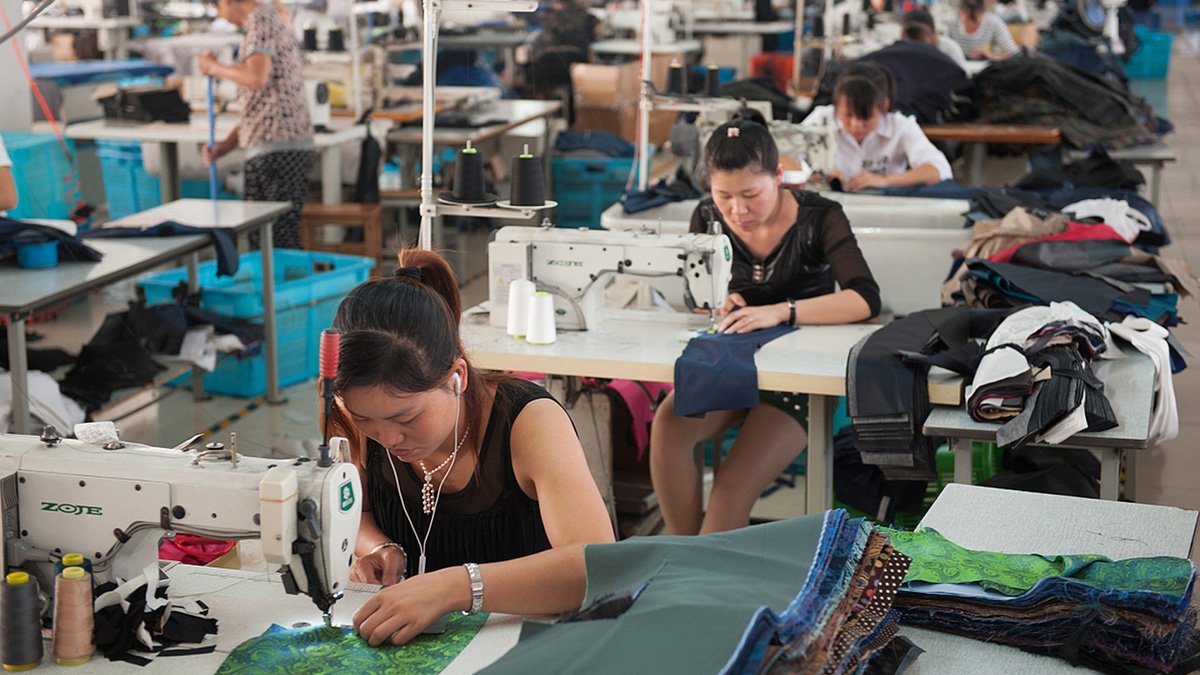
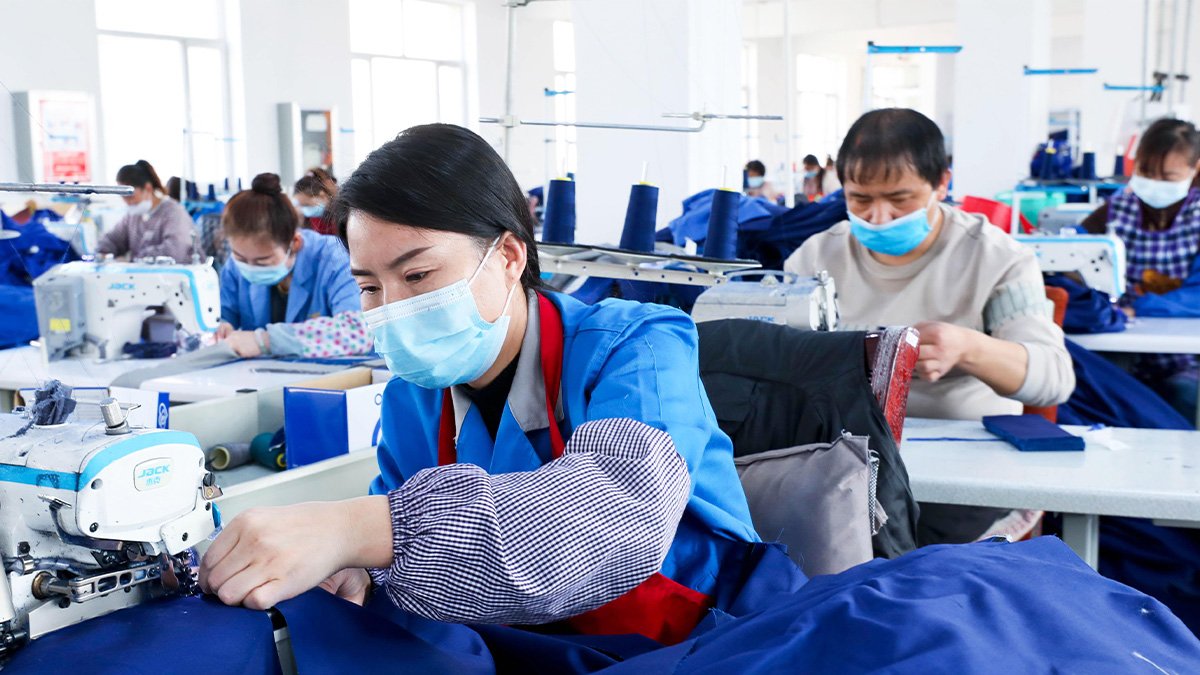
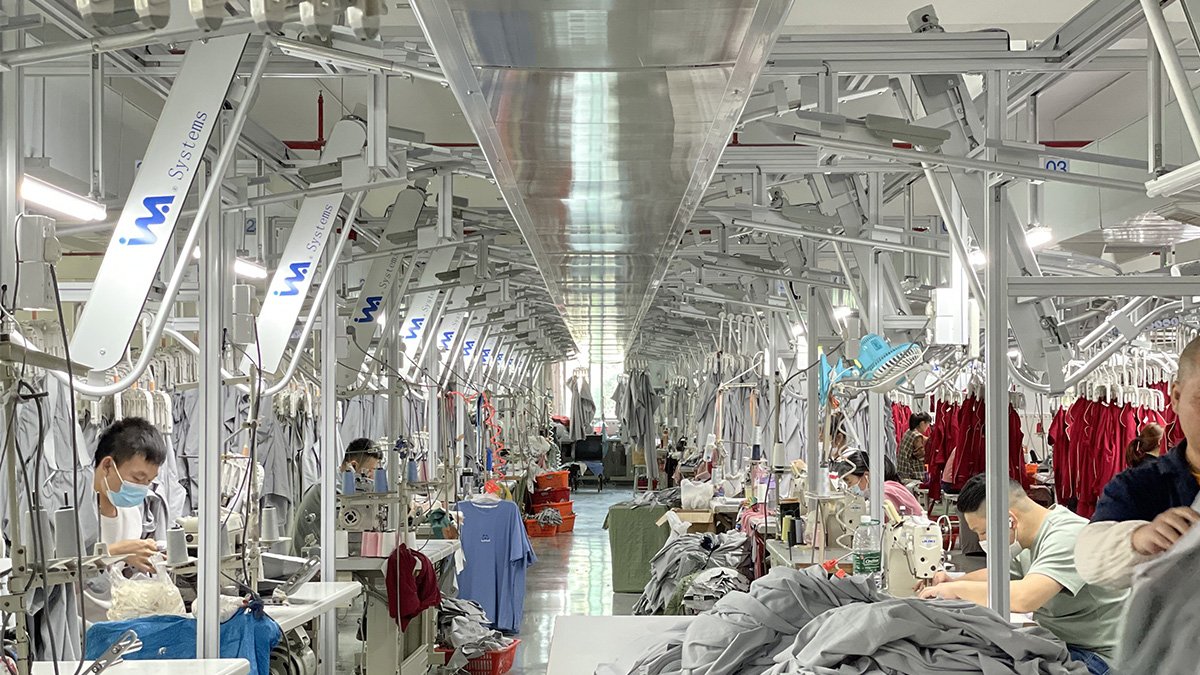
Production capacity depends on the product, construction, labor, equipment, materials, order mix, and available production time.
A factory that can produce a large quantity of simple T-shirts may have a very different capacity for complex jackets or multi-panel sports uniforms.
Capacity Is More Than Machine Count
A factory’s production capability may involve:
- Sewing machines
- Cutting equipment
- Operators
- Quality personnel
- Pattern technicians
- Sample workers
- Finishing workers
- Packing workers
- Production supervisors
The available capacity of the entire system matters.
If sewing can produce 10,000 pieces but finishing can only process 6,000, finishing becomes the bottleneck.
What Is a Production Bottleneck?
A bottleneck is a stage that limits the overall flow of production.
For example:
Cutting → Sewing → Embroidery → Finishing → Packing
If embroidery has limited machine capacity, the entire order may be constrained even when cutting and sewing have available capacity.
This is why a factory should evaluate the complete production route rather than looking only at its main sewing line.
Product Complexity Changes Capacity
Consider two garments:
Basic T-shirt
- Few panels
- Simple seams
- Minimal decoration
- Simple finishing
Custom team jacket
- Multiple panels
- Zippers
- Pockets
- Lining
- Multiple decoration areas
- More complex finishing
The number of garments produced per day can differ substantially.
Therefore, buyers should ask about capacity for the specific product, not just the factory’s general daily output.
Order Quantity Also Matters
A large order can sometimes improve production efficiency because the factory can keep the same style running longer.
But complexity can increase when an order contains many:
- Colors
- Sizes
- Logos
- Player names
- Numbers
- Styles
For example, 10,000 identical black shirts are operationally different from 10,000 garments divided among many colors, sizes, personalization combinations, and styles.
Material Availability Affects Capacity
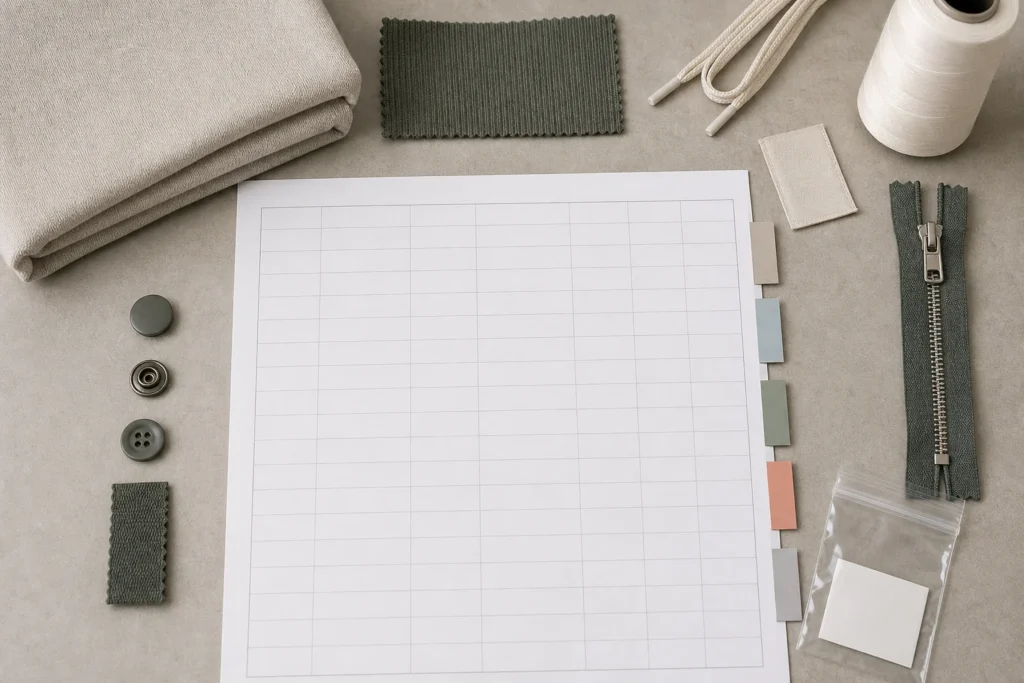
Production cannot proceed normally if key materials are missing.
Potential bottlenecks include:
- Main fabric
- Zippers
- Labels
- Printed materials
- Embroidery materials
- Packaging
- Special trims
This is why production planning should connect material planning with manufacturing scheduling.
Seasonal Capacity
Teamwear and uniforms can be highly seasonal.
A buyer may place a large order before:
- Sports seasons
- School terms
- Corporate events
- Festivals
- Retail launches
During peak periods, several customers may compete for the same production resources.
Buyers should therefore discuss production scheduling early instead of waiting until the desired delivery date is close.
Questions Buyers Should Ask
For a large custom apparel order, useful questions include:
- What is the production route for this garment?
- Which stage has the greatest capacity limitation?
- How many production lines can handle the order?
- Are materials already available?
- How will different colors and sizes be scheduled?
- How will personalization affect production?
- What is the planned production window?
- When will cutting begin?
- When will sewing begin?
- When is final inspection planned?
These questions create a much clearer picture than simply asking for the factory’s maximum daily output.
Production Capacity and Delivery Time Are Different
A factory may have sufficient theoretical capacity but still be unable to meet a specific delivery date.
Why?
Because production capacity is affected by:
- Existing orders
- Material arrival
- Sampling
- Production scheduling
- Quality inspections
- Rework
- Shipping preparation
Therefore, buyers should ask for a project-specific production schedule rather than relying only on a general factory capacity statement.
Our Approach to Custom Apparel
For custom apparel projects, production planning should begin with the actual order rather than a generic factory output number.
Our approach is to consider order quantity, product complexity, colors, sizes, personalization, materials, production stages, and required delivery timing when planning bulk manufacturing.
This allows the production schedule to reflect the actual characteristics of the order.
Conclusion
Production capacity is not simply a number printed on a factory profile.
It is the combined result of people, equipment, materials, product complexity, production scheduling, and bottleneck management.
For buyers ordering large quantities of teamwear or custom uniforms, understanding these factors can make production planning more realistic and help create a clearer path from order confirmation to shipment.