Introduction
A custom apparel order can involve many different documents, people, materials, and decisions.
The design team may have approved one version of the artwork. The sample room may have another version of the pattern. The purchasing team may have ordered a specific fabric, while the production team is working from an earlier specification.
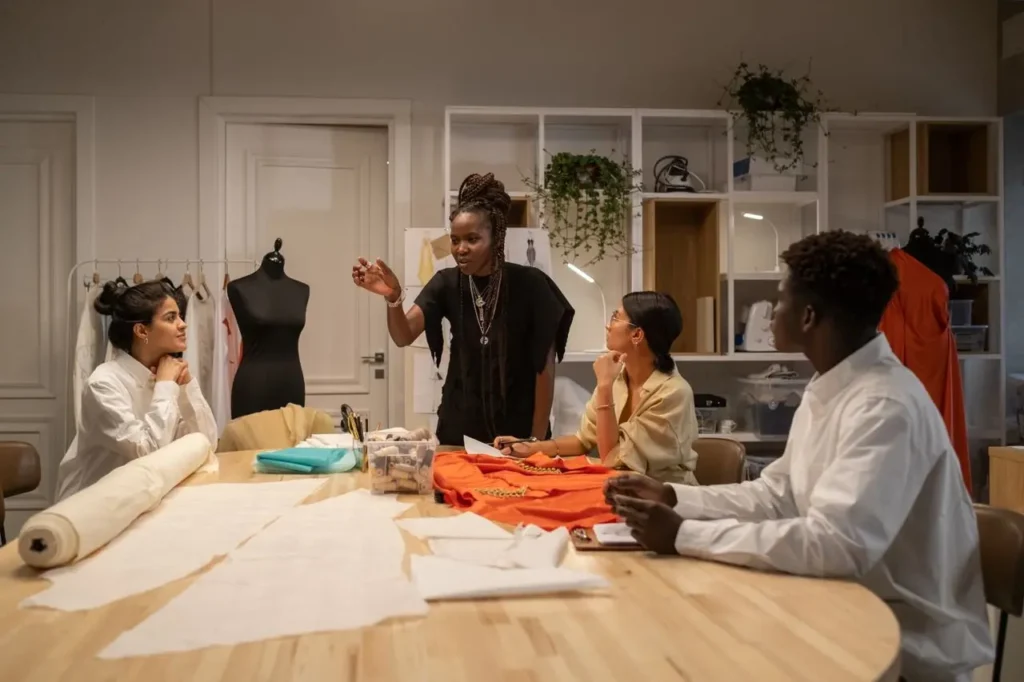
A pre-production meeting, commonly called a PPM or PP meeting, provides an opportunity to bring these details together before bulk production begins.
Recent apparel-production guidance describes the meeting as a control point for confirming whether the approved product, materials, documents, quality requirements, and production plan are actually ready for bulk production.
What Is a Pre-Production Meeting?
A pre-production meeting is a structured review held before bulk manufacturing.
Its purpose is not simply to hold a meeting.
The real objective is to answer:
Are all important production decisions confirmed and consistent with each other?
A typical review may connect:
Approved sample → specifications → materials → construction → quality requirements → production plan → bulk production
If these elements do not match, production should not simply continue based on assumptions.
1. Review the Approved Sample
The physical approved sample should be available for comparison.
The production team can review:
- Overall appearance
- Construction
- Measurements
- Fabric
- Color
- Decoration
- Labels
- Trims
- Finishing
The sample should be identified clearly by version or approval date.
This prevents an older sample from accidentally becoming the production reference.
2. Confirm the Latest Specifications
The production team should confirm that the latest specification contains all approved changes.
For example, a buyer may have requested:
- A different sleeve length
- A revised collar
- A changed pocket position
- A new logo size
- A different label
- A revised measurement
If these changes exist only in an email or chat message but were never transferred into the production documents, there is a risk that the factory will manufacture according to an outdated version.
3. Check Fabric and Trims
The meeting should also confirm whether required materials are available and approved.
This may include:
- Main fabric
- Rib
- Lining
- Thread
- Zippers
- Buttons
- Labels
- Drawcords
- Packaging components
- Decoration materials
The question is not simply whether the materials have been ordered.
The team should determine whether the materials actually match the approved requirements.
4. Review Quality Requirements
Quality expectations should be discussed before production starts.
This may include:
- Measurement tolerances
- Appearance requirements
- Construction requirements
- Decoration quality
- Label placement
- Defect classification
- Inspection procedure
- Final inspection requirements
A factory cannot reliably control a requirement that has never been clearly communicated.
5. Confirm Production Planning
The factory should also review:
- Production quantity
- Color breakdown
- Size breakdown
- Production schedule
- Cutting schedule
- Sewing schedule
- Finishing schedule
- Inspection timing
- Shipping target
A production plan connects the product specification with the actual manufacturing process.
What Buyers Should Ask
Before approving bulk production, buyers can ask:
- Is the sample version confirmed?
- Is the final specification updated?
- Are all materials approved?
- Are the production patterns finalized?
- Are artwork files final?
- Are measurements and tolerances confirmed?
- Are quality requirements documented?
- Is the production schedule realistic?
- Are unresolved issues clearly assigned?
- Who has authority to release production?
These questions can expose problems before fabric is cut.
Why the Meeting Matters
Cutting is an important transition point.
Before cutting, many decisions can still be changed relatively easily.
After thousands of panels have been cut, changing the specification becomes much more expensive and complicated.
A PP meeting therefore functions as a final coordination point before production becomes difficult to reverse.
Our Approach to Custom Apparel
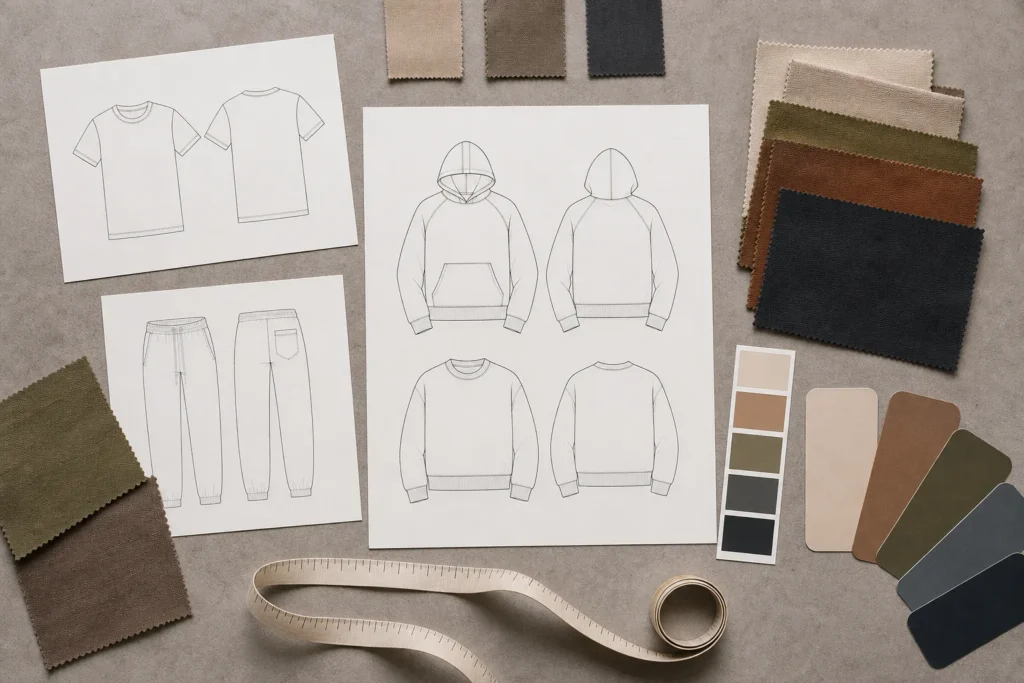
For custom apparel projects, we treat production readiness as a combination of product approval and manufacturing coordination.
Our approach is to ensure that the approved sample, production specifications, materials, artwork, quality requirements, and order details are aligned before bulk manufacturing begins.
This helps reduce the risk of different departments working from different versions of the same order.
Conclusion
A pre-production meeting is more than a factory checklist.
It is an opportunity to make sure that everyone involved in the order is working from the same approved information.
For custom apparel buyers, asking what will be reviewed before bulk production provides valuable insight into how a manufacturer controls the transition from sampling to mass production.