Introduction
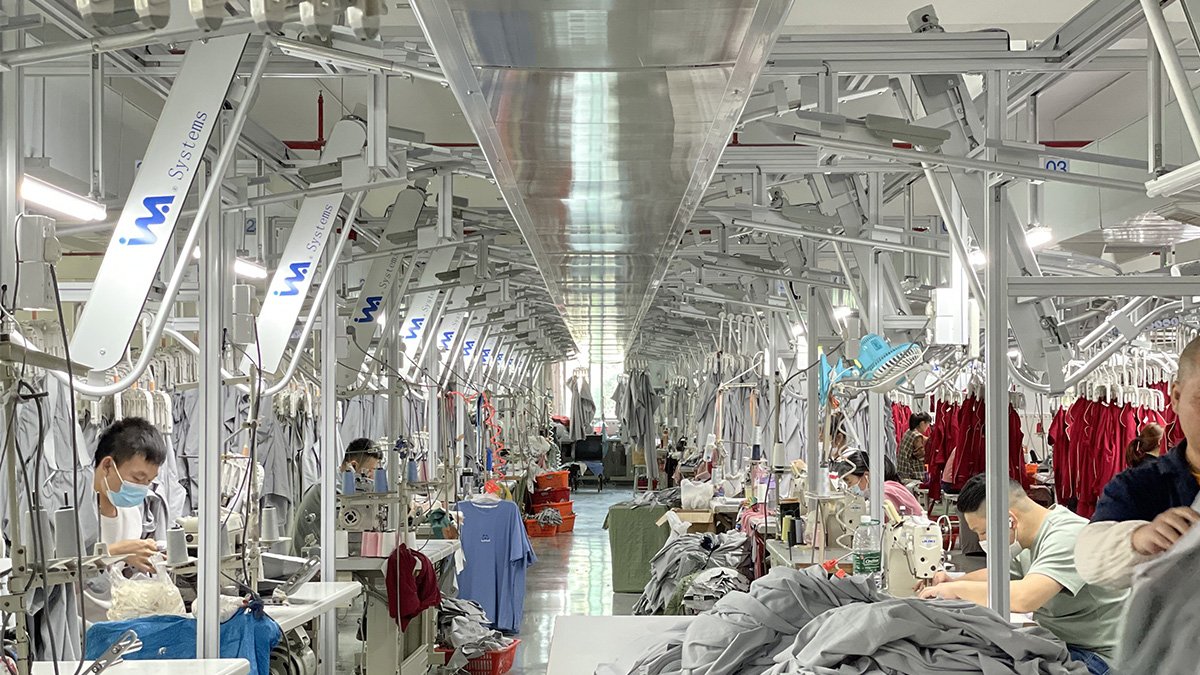
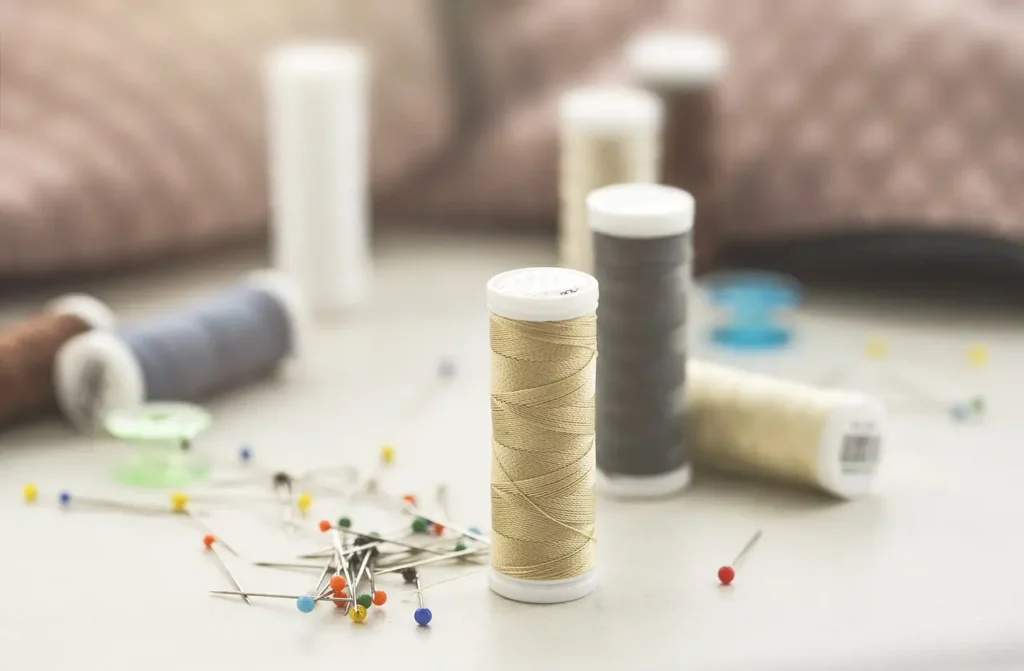
Garment manufacturing involves sewing needles, cutting equipment, pins, scissors, fasteners, zippers, snaps, and other components.
Most of these items are normal parts of production.
The risk appears when a metal component breaks, becomes detached, or is accidentally left inside a garment.
For buyers, this is why metal control should be considered as part of the production-control process.
Where Can Metal Risks Come From?
Potential sources can include:
- Broken sewing needles
- Broken machine components
- Pins
- Staples
- Cutting tools
- Metal trims
- Zippers
- Snaps
- Decorative metal components
Not every metal component represents the same risk, so the control procedure should be based on the actual product and manufacturing process.
Broken Needle Control
A practical broken-needle procedure should define what happens when a needle breaks.
For example:
Needle breaks → production stops → broken pieces are accounted for → affected garments are isolated → replacement needle is controlled → production resumes after the incident is resolved
The exact procedure should be established by the manufacturer according to its production system.
The important principle is traceability.
If a fragment is missing, simply replacing the needle does not necessarily resolve the incident.
Metal Detection as a Control Step
Some garment manufacturers use metal-detection equipment as an additional control after production.
A detector can help identify certain metallic objects or fragments that may remain in a finished garment.
However, buyers should avoid assuming that one detector setting works for every product.
Detection performance can depend on:
- Product construction
- Garment thickness
- Metal trims
- Fabric type
- Packaging
- Detector configuration
- Product orientation
- Type and size of metal object
Therefore, the buyer and manufacturer should agree on the actual detection procedure rather than relying on a generic statement such as “100% metal detected.”
Why Product-Specific Validation Matters
Consider two products:
Product A: lightweight T-shirt with printed graphics.
Product B: winter jacket with metal zipper, snaps, drawcord hardware, and multiple layers.
The two products have very different metal environments.
A detector procedure suitable for Product A cannot automatically be assumed to provide identical results for Product B.
This is why product-specific validation and documented procedures matter.
What Happens When a Detection Failure Occurs?
Buyers should ask manufacturers how failed garments are handled.
A controlled process may include:
- Stop or hold the affected production
- Identify the affected batch
- Isolate the relevant garments
- Investigate the cause
- Repair or remove the metal source where possible
- Reinspect affected products
- Record the incident
- Release only after the required checks are completed
The exact procedure depends on the manufacturer’s quality system and customer requirements.
Metal Trims Need Special Attention
Metal detection becomes more complicated when the garment intentionally contains metal.
Examples include:
- Metal zippers
- Metal buttons
- Snap fasteners
- Decorative hardware
- Buckles
- Metal labels
The buyer should therefore tell the factory about all planned metal components during product development.
This allows the manufacturer to determine whether additional inspection or alternative controls are required.
Questions Buyers Should Ask a Factory
Before placing a large order, buyers can ask:
- Do you have a broken-needle control procedure?
- How are broken needles recorded?
- What happens when a needle fragment is missing?
- Do finished garments undergo metal detection?
- How is the detector validated for this product?
- How are garments that fail detection handled?
- Are metal trims included in the inspection plan?
- Can inspection records be provided when required?
These questions reveal much more about a manufacturer’s process than simply asking whether the factory has “quality control.”
Our Approach to Custom Apparel
For custom apparel projects, product safety and quality control should be considered from production planning through final inspection.
Our approach is to identify potential metal-related risks during production planning, especially where garments contain multiple trims, fasteners, or complex construction.
Customer requirements can then be incorporated into the appropriate production and inspection procedures.

Conclusion
Needle detection is not simply a machine placed at the end of an apparel production line.
Effective metal control involves prevention, incident management, product-specific detection, inspection, and traceability.
For custom apparel buyers, understanding this process can help them evaluate whether a manufacturer has a structured approach to production safety rather than relying solely on a final inspection statement.