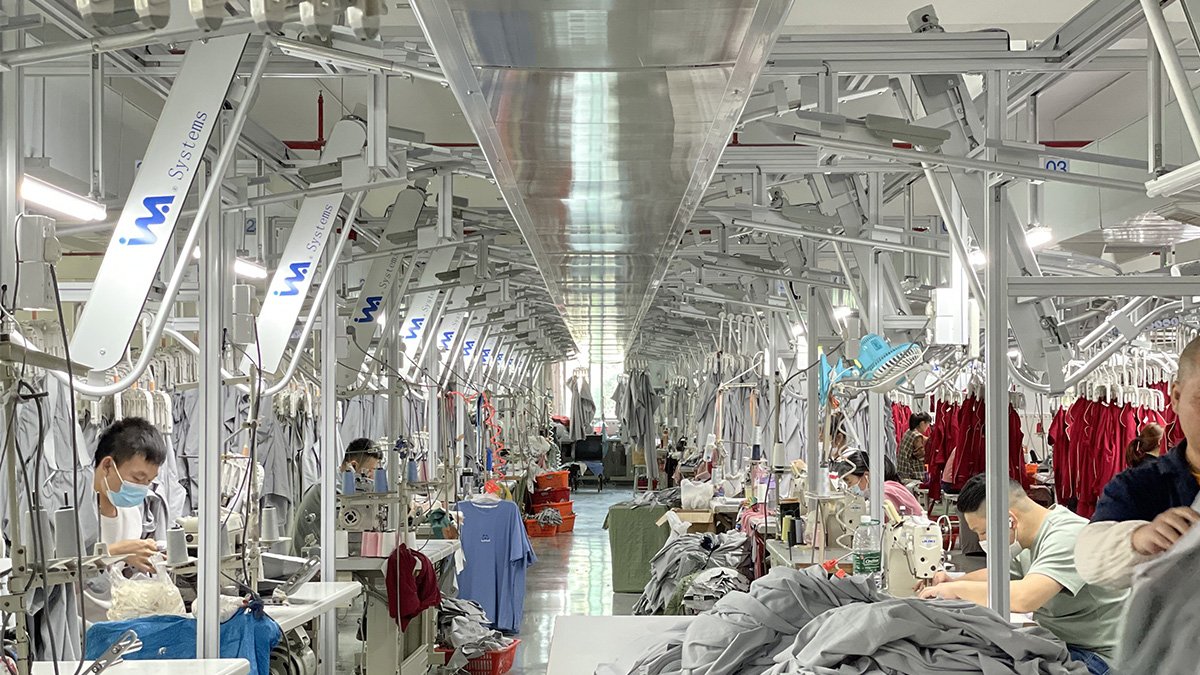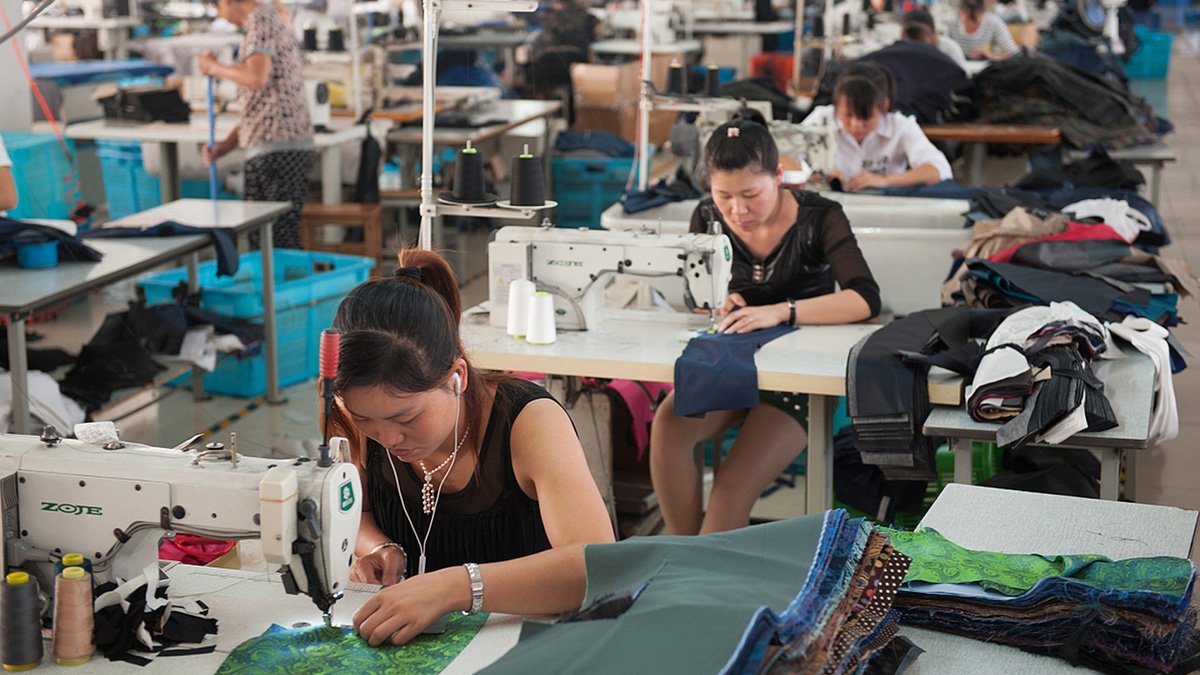
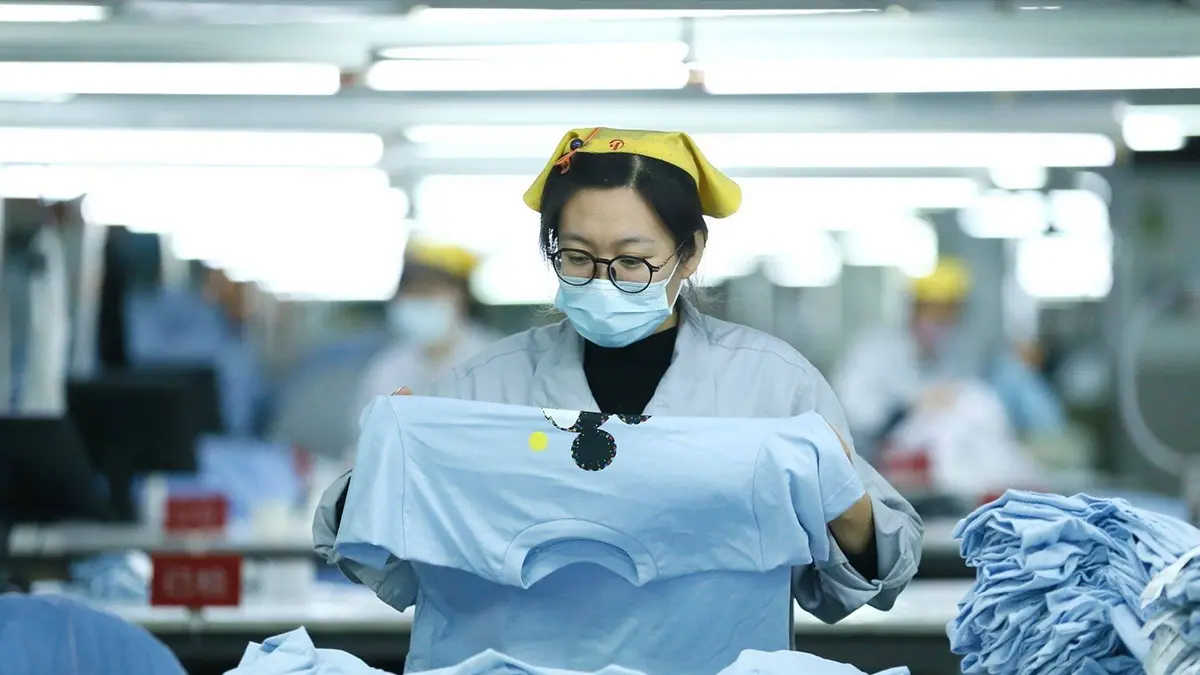
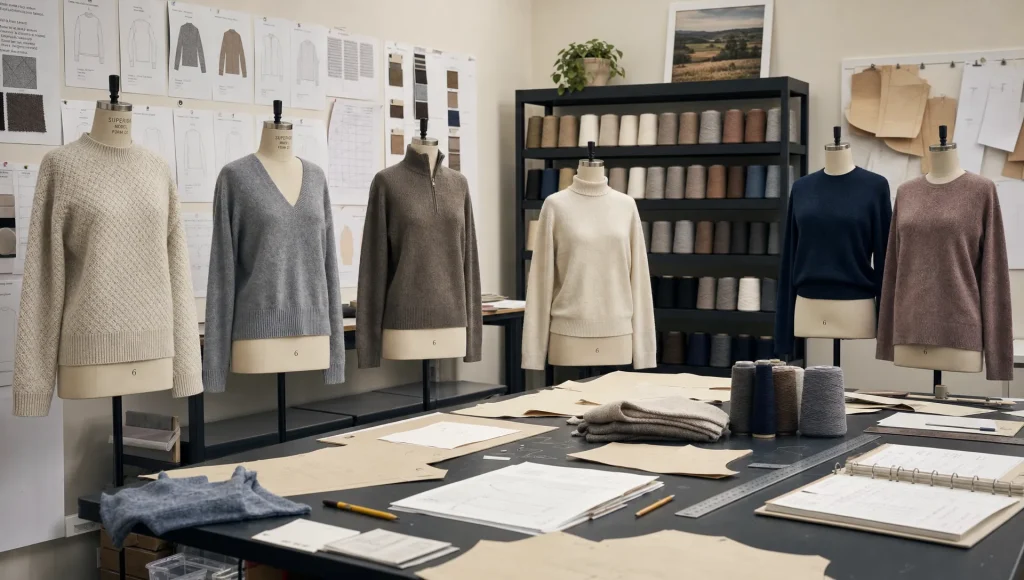
A garment factory can follow the correct pattern, use the correct sewing method, and still produce a defective garment if the fabric entering production has problems.
This is why fabric inspection is an important step before cutting.
The purpose is not simply to decide whether fabric “looks good.”
It is to identify characteristics that could affect:
- appearance
- cutting
- sewing
- color consistency
- garment dimensions
- final quality
Why Inspect Fabric Before Cutting?
Once fabric has been cut into hundreds or thousands of panels, identifying the original problem becomes much more difficult.
For example, if a roll contains a visible color variation and the problem is discovered only after sewing, many garments may already be affected.
Inspection before cutting provides an opportunity to identify problems earlier.
Common Fabric Problems
Depending on the textile, inspectors may look for:
- holes
- stains
- broken yarns
- slubs
- uneven dyeing
- color variation
- printing defects
- weaving problems
- surface damage
- width variation
Not every defect has the same importance.
A tiny defect near an unusable fabric edge may have little impact.
A large defect running through the center of the usable width may affect multiple garment panels.
Fabric Width
Usable fabric width is important because patterns must fit within the available cutting area.
If the actual width is lower than expected, the planned marker may no longer work efficiently.
This can affect:
- fabric consumption
- marker layout
- cutting plans
- production cost
Therefore, checking actual usable width before cutting is a practical production control.
Color Variation Between Rolls
Large garment orders may use multiple fabric rolls.
Even when all rolls are specified as the same color, differences can occur between production lots.
This is especially important for:
- large team orders
- corporate uniforms
- garments with large color-block panels
- repeat production
Fabric inspection should therefore consider whether rolls are visually consistent enough for the intended garment.
The Four-Point System
One commonly discussed approach to fabric inspection is the Four-Point System, where defects are assigned penalty points according to their severity.
The method provides a structured way to evaluate fabric rather than relying entirely on subjective judgment.
ASTM’s current textile standards collection also includes D5430-26, a standard test method for visually inspecting and grading fabrics.
This illustrates the broader principle: textile inspection can be based on defined procedures rather than informal visual opinions.
Inspection Speed Matters
Fabric inspection is not only about looking carefully.
The inspection process also needs to be controlled.
Important factors can include:
- inspection speed
- lighting
- fabric tension
- inspection equipment
- defect identification
- roll identification
- inspection records
If different inspectors use completely different criteria, the results may become inconsistent.
Why Fabric Inspection Is Important for Custom Apparel
Custom apparel often contains precise designs.
Imagine a team jersey with large contrasting panels.
A small color variation between fabric rolls could become very visible once those panels are sewn together.
Similarly, a fabric defect located directly under a large printed logo may become difficult to correct after production.
Early detection gives the factory more options.
Fabric Inspection and Cutting
Inspection and cutting should not be treated as completely separate processes.
The cutting team needs to know whether:
- the fabric has directional characteristics
- defects have been marked
- usable width is consistent
- certain sections should be avoided
- different rolls should be separated
This information can influence the cutting plan.
What Buyers Should Ask
For larger custom apparel projects, buyers can ask:
- Is fabric inspected before cutting?
- What inspection method is used?
- How are fabric defects recorded?
- Are fabric rolls identified separately?
- Is color variation checked?
- Is usable width measured?
- How are defective sections handled?
- Are inspection records retained?
These questions are particularly useful for repeat orders and large-volume projects.
Our Production Approach
For custom apparel manufacturing, incoming material inspection can provide an additional control point before cutting begins.
Our production team can check relevant fabric characteristics according to the garment requirements and identify potential issues before those materials enter mass production.
This helps reduce the chance that a material problem becomes a finished-garment problem.
Final Thoughts
Fabric inspection is one of the earliest opportunities to prevent quality problems.
Once fabric has been cut and sewn, correcting a material defect becomes significantly more complicated.
For B2B buyers, asking how fabric is inspected before cutting can provide useful insight into how a manufacturer manages production quality from the beginning of the process.