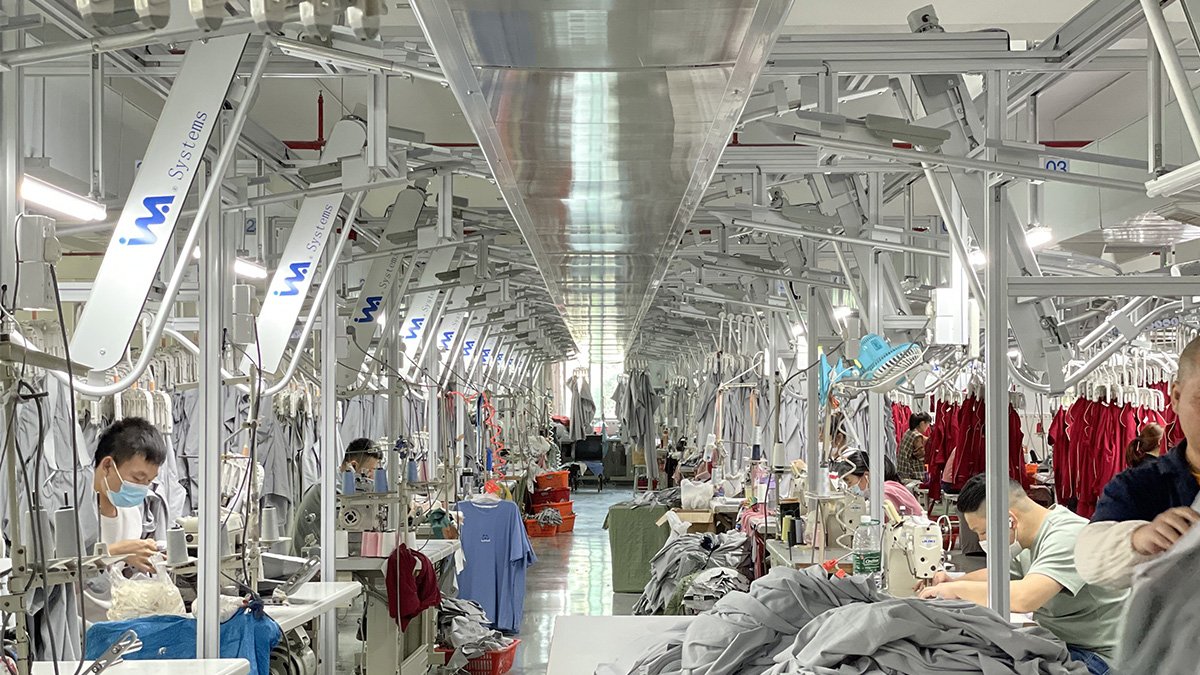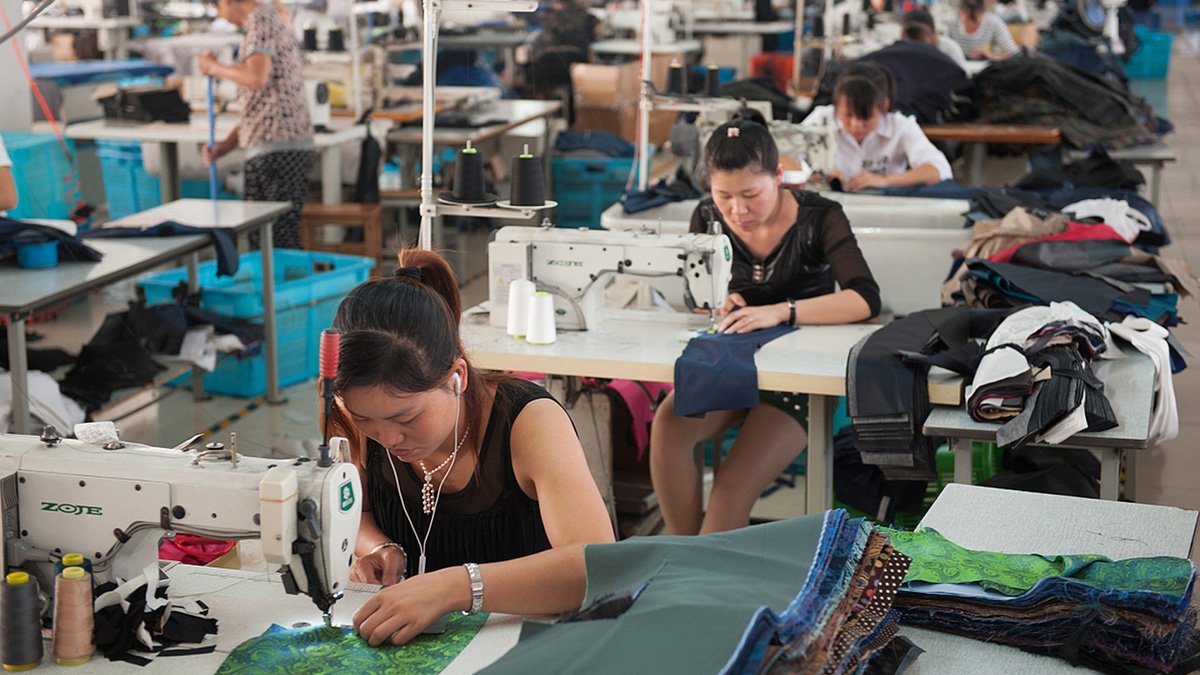
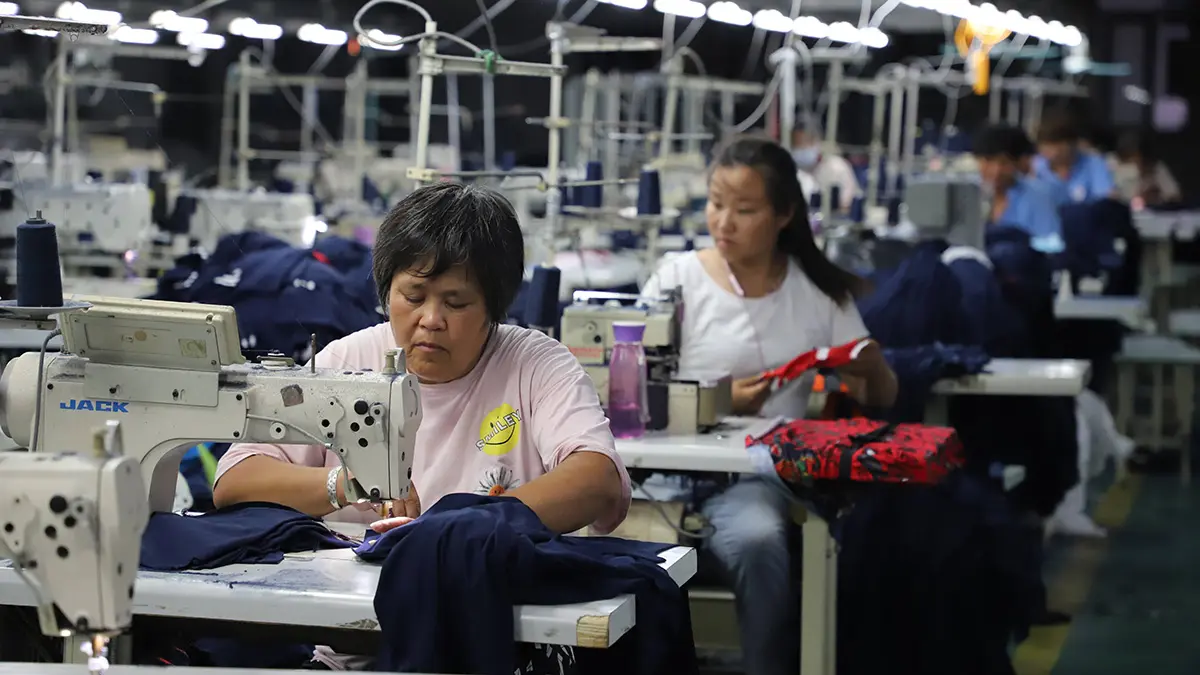

A garment can pass through many stages before reaching its final customer.
The process may involve:
fabric → cutting → sewing → customization → inspection → packing → warehouse → shipping
When hundreds or thousands of garments are moving through these stages, manually tracking every product becomes increasingly difficult.
This is one area where RFID technology can provide a digital alternative.
What Is RFID?
RFID stands for Radio Frequency Identification.
An RFID system uses tags and readers to identify and track objects through radio-frequency communication.
Unlike traditional visual labels, RFID can allow information to be captured electronically.
A 2026 academic review published in Sustainability identified applications for RFID in apparel and fashion supply chains including product recognition, inventory visibility, logistics monitoring, authentication, order allocation, and automated data capture.
How RFID Can Be Used in Apparel
An RFID tag can be associated with information about a garment or production unit.
Depending on the system, this may include:
- product ID
- SKU
- size
- color
- order number
- production batch
- warehouse location
The tag can then be read at different points in the supply chain.
Production Tracking
Imagine a custom clothing order containing 2,000 garments.
The factory needs to know:
- which products have been cut
- which have been sewn
- which are being customized
- which have passed inspection
- which are packed
- which have entered the warehouse
A digital identification system can help connect these stages.
This does not automatically eliminate human inspection, but it can improve visibility into where products are within the process.
Inventory Management
Inventory is another major application.
Traditional inventory management often depends heavily on manual scanning or counting.
RFID can allow multiple tagged items to be identified electronically.
This can potentially make it easier to determine:
What do we have?
Where is it?
How many units are available?
Which sizes are missing?
This is particularly relevant for apparel because inventory often contains many combinations of:
- styles
- colors
- sizes
- SKUs
Reducing Identification Errors
Apparel products can look very similar.
For example:
Black T-shirt — M
and
Black T-shirt — L
may be almost identical visually.
A digital product identifier can provide more information than appearance alone.
Research published in 2026 also explored UHF RFID systems specifically for real-time production monitoring and tag-quality control in textile manufacturing, including the challenge of labeling errors during production.
RFID and Logistics
RFID can also extend beyond the factory.
A garment may move through:
Factory → warehouse → logistics provider → distributor → retailer
If the identification system remains connected to the relevant inventory process, companies can potentially gain better visibility across these stages.
This can be particularly useful for large apparel businesses with complex distribution networks.
RFID for Custom Team Apparel
For smaller custom apparel orders, RFID may not always be necessary.
But larger organizations managing thousands of uniforms or team garments could potentially benefit from more sophisticated identification systems.
For example, an organization may need to manage:
- employee uniforms
- replacement garments
- different sizes
- multiple locations
- seasonal clothing
- warehouse stock
Digital identification can make these processes easier to organize.
RFID Does Not Replace Product Quality Control
It is important to understand the limitation.
RFID tells a business what an item is or where it is.
It does not automatically tell you whether:
- the stitching is correct
- the color is correct
- the logo is positioned correctly
- the garment has a defect
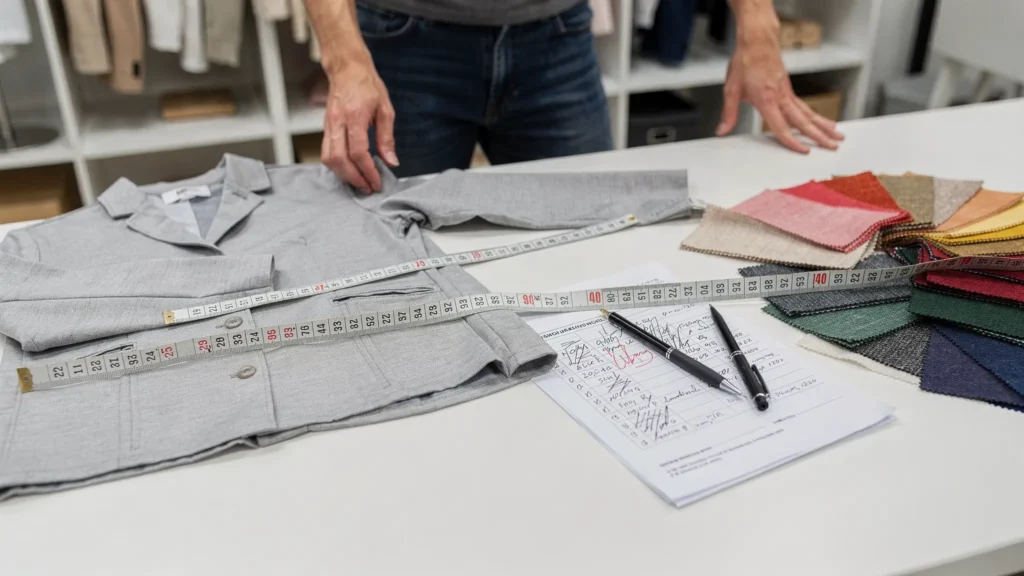
Quality inspection still requires appropriate inspection processes.
RFID is therefore better understood as a traceability and information technology, rather than a replacement for manufacturing quality control.
Privacy and Data Management
RFID systems also require appropriate data management.
Businesses should consider:
- what information is stored
- who can access it
- how long data is retained
- how tags are handled after sale
- whether customers need to be informed
The 2026 academic review notes that RFID adoption also raises considerations around privacy and cybersecurity alongside its traceability benefits.
What Buyers Should Ask Suppliers
For large apparel programs, buyers can ask:
- Does the manufacturer support RFID?
- Can individual garments be digitally identified?
- Can RFID information connect to order data?
- Can production stages be tracked?
- Can warehouse inventory be integrated?
- How is RFID data managed?
These questions become increasingly relevant as apparel supply chains become more digital.
Our Approach to Digital Production
For custom apparel orders, digital tracking technologies can complement traditional production management.
Depending on the size and requirements of a project, digital identification can potentially help organize production information, inventory, and shipment records.
The appropriate technology should be selected according to the customer’s actual operational needs rather than simply adding technology for its own sake.
Final Thoughts
RFID is changing from a technology associated primarily with inventory tracking into a broader tool for supply-chain visibility and traceability.
For apparel businesses managing large volumes, multiple locations, or complex distribution networks, digital identification can provide useful information throughout the product lifecycle.
For smaller custom orders, traditional identification methods may remain sufficient.
The key is matching the technology to the scale and complexity of the business.