Sustainability is becoming more than a marketing concept in the global apparel industry. Governments, manufacturers, brands, and customers are increasingly paying attention to textile waste, material selection, product life cycles, and responsible production.
In 2026, these changes are particularly important for companies involved in international apparel supply chains.
Europe Is Moving Toward a More Circular Textile Industry
Europe is taking stronger steps toward reducing textile waste and encouraging circular production.
The European Union is developing policies involving separate textile collection and Extended Producer Responsibility, which can require producers to contribute to the management of textile waste.
The broader direction is clear: apparel companies will increasingly need to think about what happens to garments not only during production and sales, but also at the end of their useful life.
Reuters reported in August 2026 that textile recycling remains extremely limited while textile waste is expected to continue increasing, creating pressure for better recycling infrastructure and stronger industry coordination.
What Does This Mean for Custom Apparel?
Custom clothing creates a special challenge because products are often produced for specific teams, companies, events, or organizations.
When apparel is highly customized, unsold inventory may be more difficult to resell.
This makes accurate production planning particularly important.
For customers ordering customized team apparel, choosing appropriate quantities, confirming sizes carefully, and approving designs before mass production can help reduce unnecessary waste.
Material Selection Matters
Sustainability also begins with fabric selection.
Depending on the project, customers may consider cotton, polyester, recycled fibers, blends, and performance fabrics.
The correct material depends on the intended use. Sports teams may prioritize moisture management and durability, while corporate uniforms may prioritize appearance, comfort, and long-term wear.
Our custom clothing service works with customers to match garment materials with the intended application, design, quantity, and budget.
Quality Is Also Part of Sustainability
A garment that lasts longer does not need to be replaced as frequently.
For team and corporate apparel, this makes construction quality, fabric selection, stitching, decoration, and quality inspection important considerations.
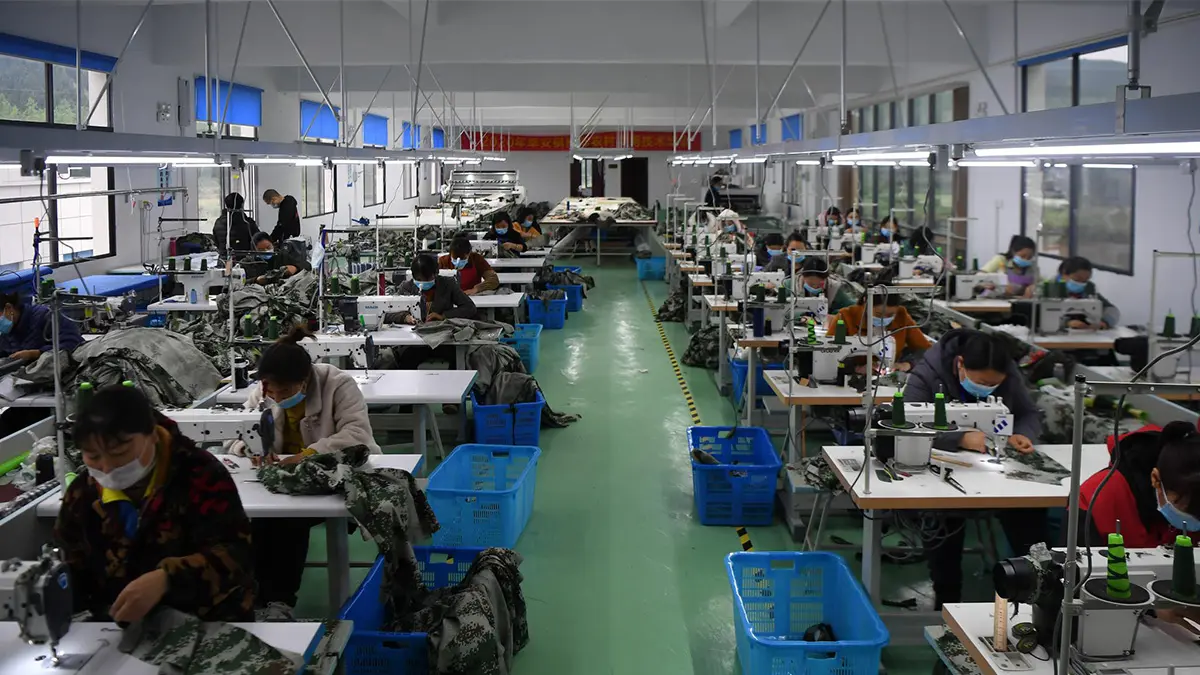
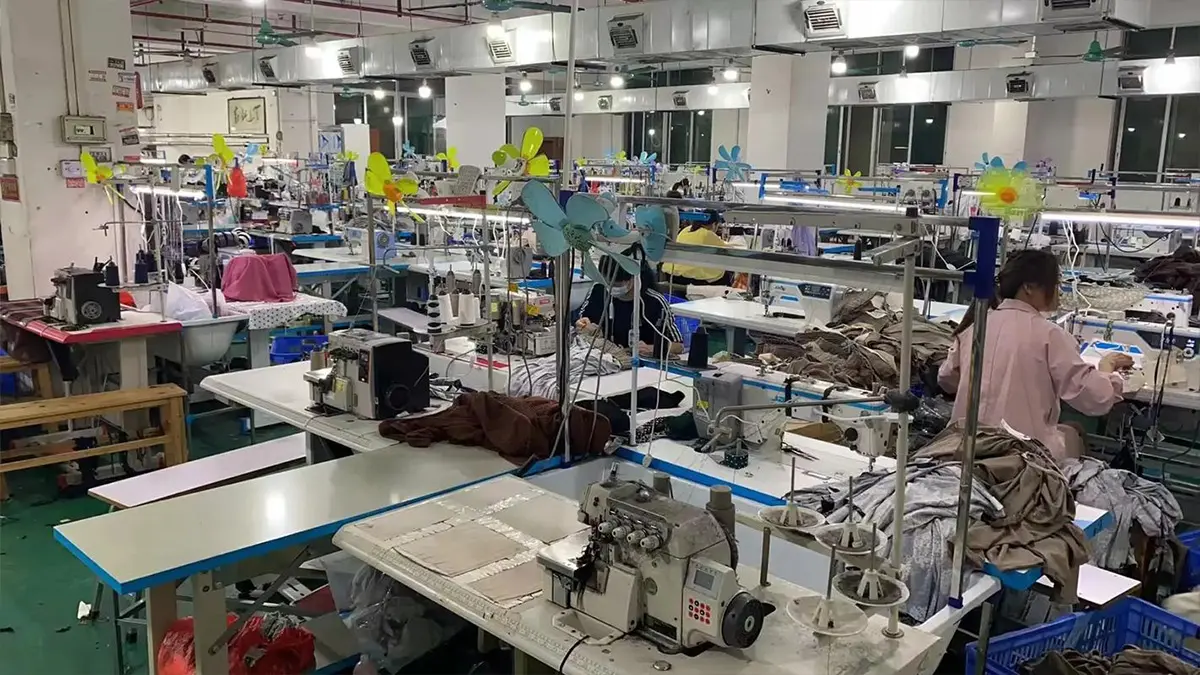
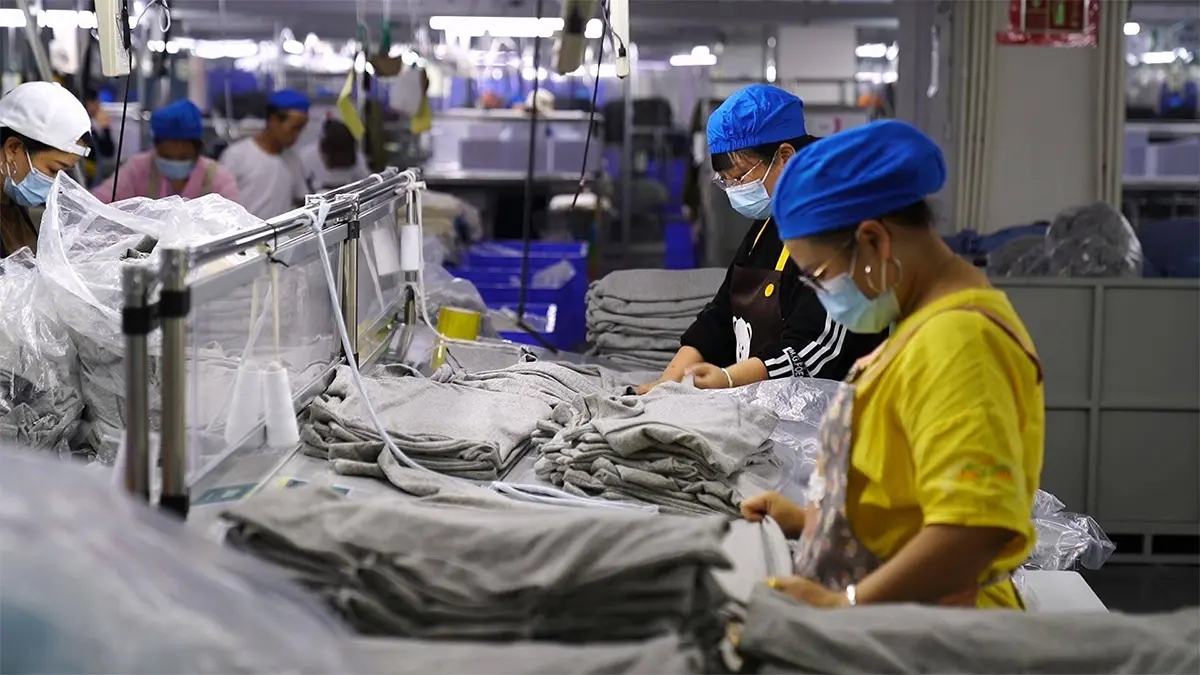
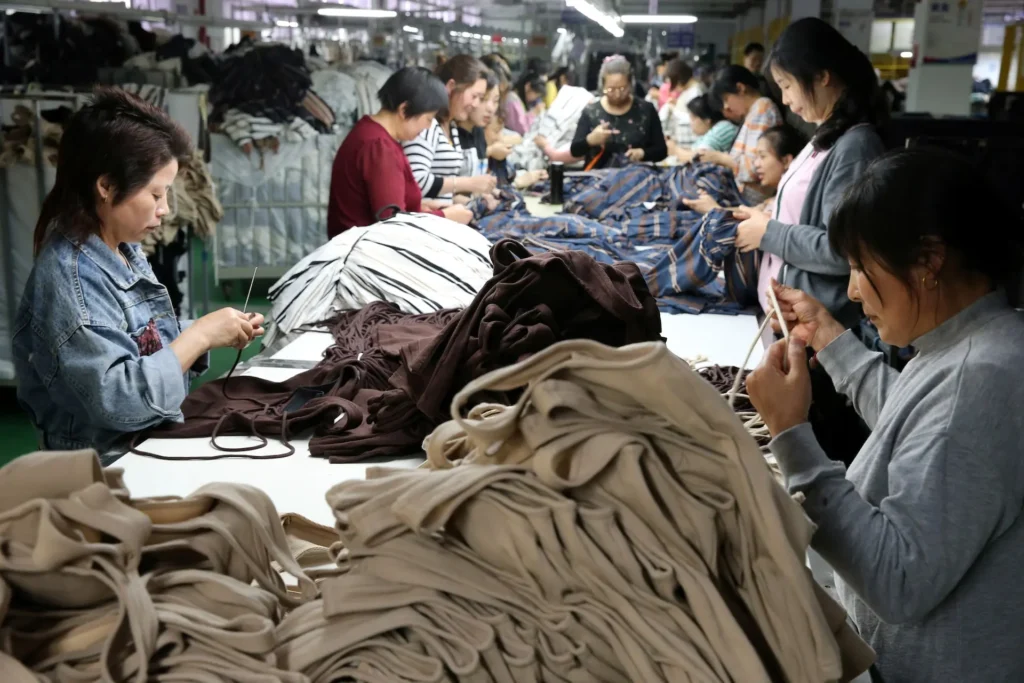
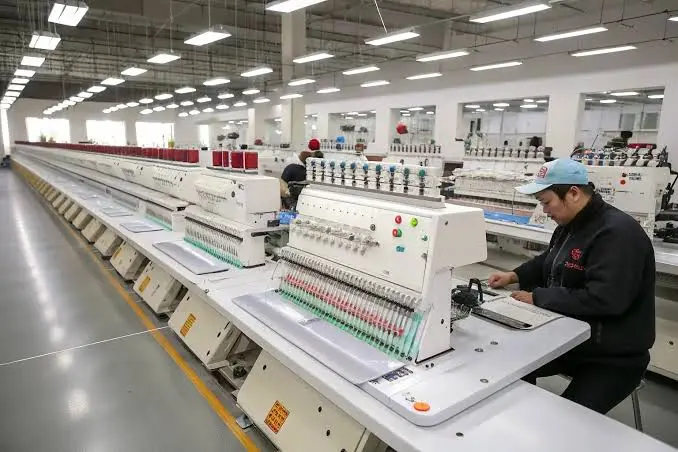
Our production process includes garment production and quality inspection to help ensure that customized apparel meets the approved specifications before shipment.
Sustainability Is Becoming a Production Issue
The apparel industry is moving toward a model where sustainability is increasingly connected with production decisions.
For international buyers, this means sustainability should not simply be treated as a marketing statement. It should be considered through material selection, production planning, quality control, packaging, and product lifespan.
Conclusion
The future of custom clothing will be shaped not only by design and price, but also by production efficiency, product durability, material choices, and environmental responsibility.
For businesses sourcing custom apparel internationally, working with a manufacturer that understands these factors can help create a more efficient and responsible supply chain.
News basis: Reuters reported in August 2026 on Europe’s push toward textile circularity, including separate collection and EPR measures, while noting the industry’s very low current textile recycling rate.