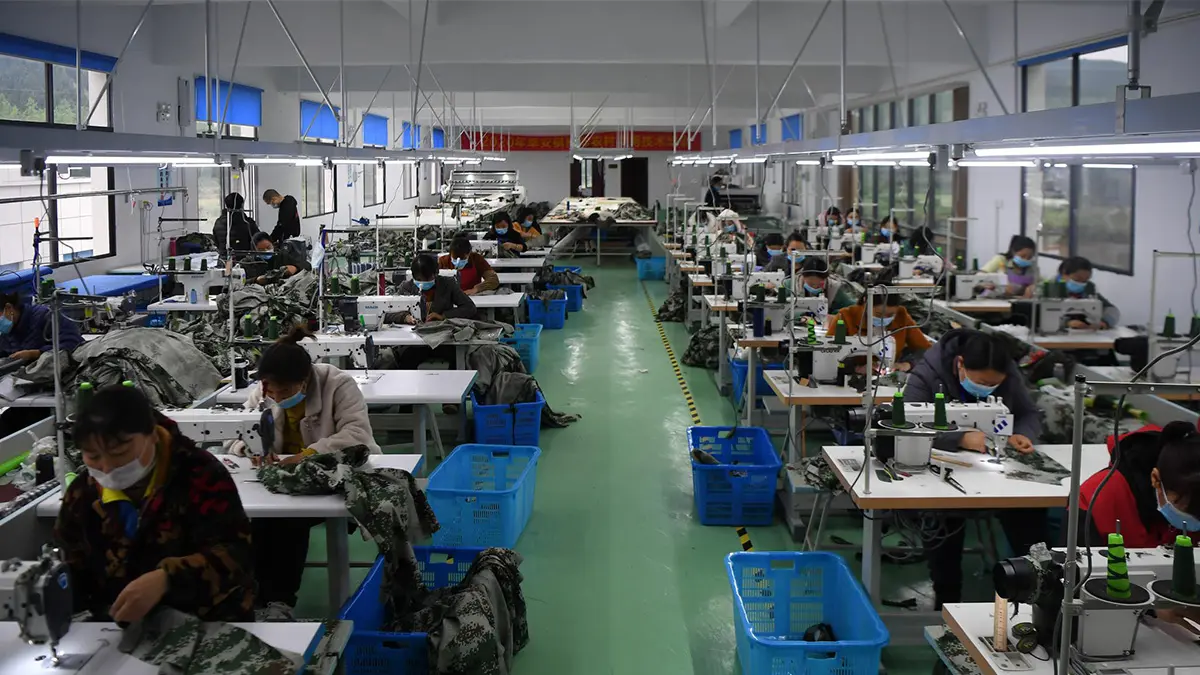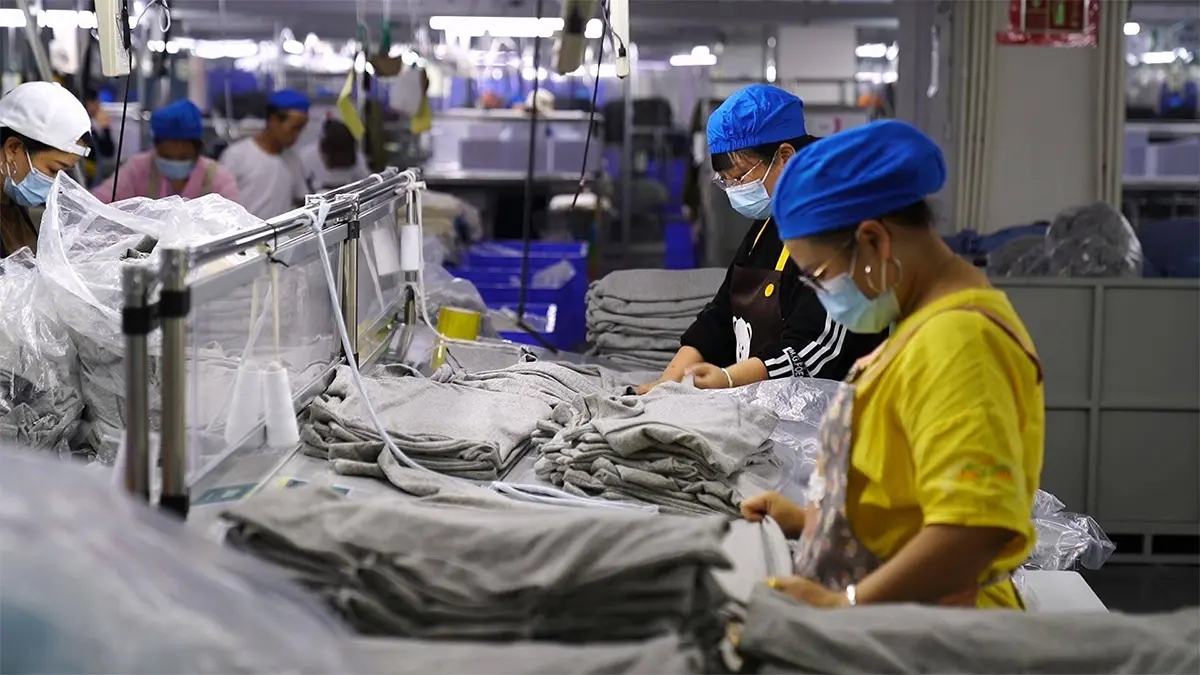
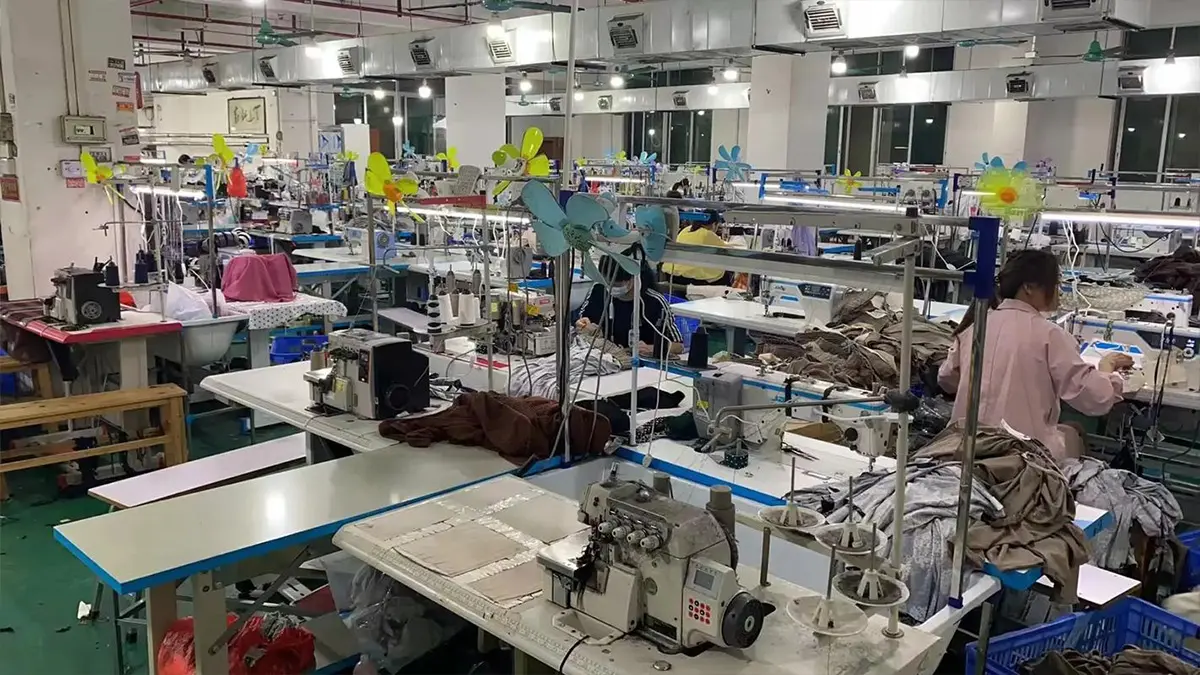
Ordering custom team apparel may appear simple: choose a shirt, add a logo, and place an order.
In reality, a successful team apparel project requires coordination between design, fabric, sizing, decoration, production, quality control, and delivery.
A clear production process can significantly reduce mistakes and delays.
Step 1: Define the Purpose of the Apparel
Start by determining how the clothing will be used.
Is it for:
- Sports competitions?
- Staff uniforms?
- Corporate events?
- School teams?
- Promotional campaigns?
- Fan merchandise?
The answer affects the choice of fabric, garment style, decoration method, and expected durability.
Step 2: Choose the Garment
The garment should match the environment where it will be worn.
For sports teams, lightweight and breathable performance fabrics may be preferred.
For company uniforms, customers may prioritize professional appearance and durability.
For casual team clothing, T-shirts, hoodies, sweatshirts, and polos may be more appropriate.
Our team can help customers evaluate garment styles and materials according to the intended application.
Step 3: Prepare the Artwork
Customers should provide high-quality artwork whenever possible.
Logo files, colors, dimensions, player names, numbers, sponsor information, and placement requirements should be confirmed before production.
This is particularly important for team orders because dozens or hundreds of garments may need to follow exactly the same design standard.
Step 4: Select the Decoration Method
The artwork and garment determine the appropriate decoration method.
Screen printing can work well for larger quantities with simple graphics.
DTF can be useful for detailed and personalized designs.
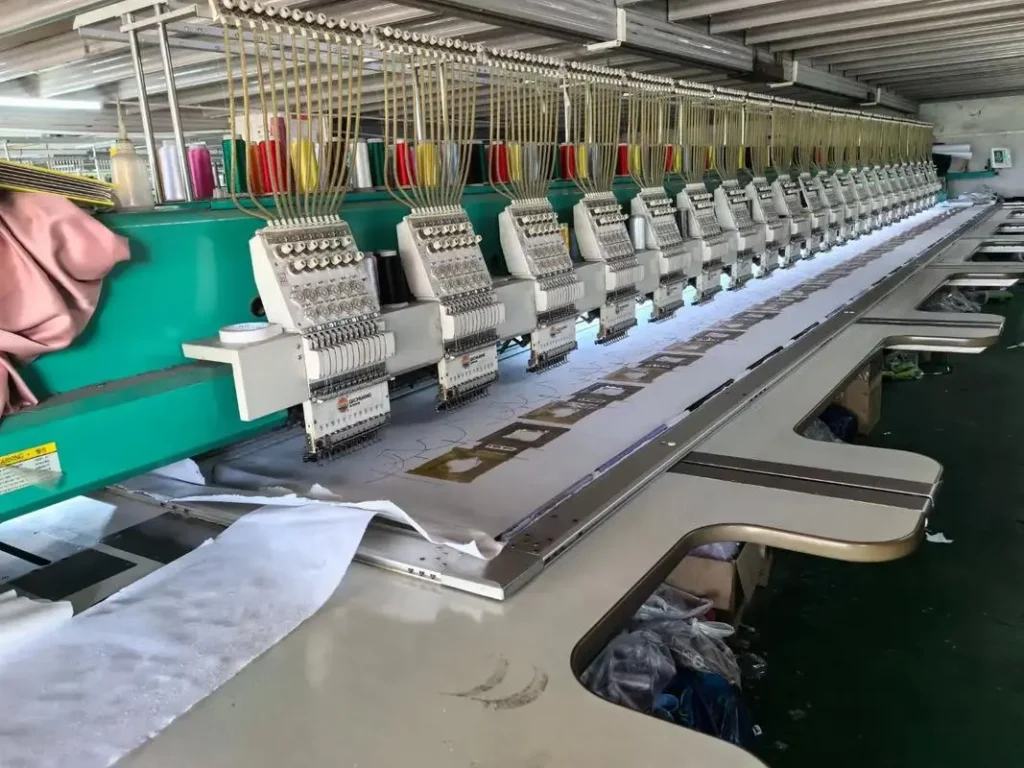
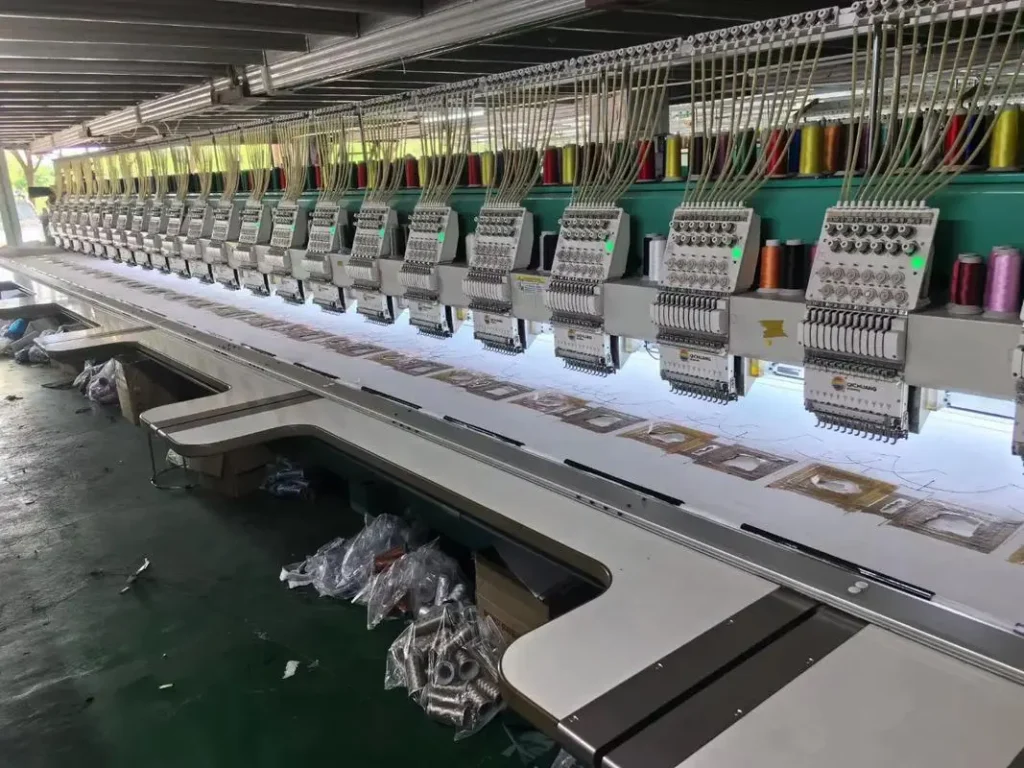
Embroidery is commonly suitable for polos, jackets, caps, and professional uniforms.
Sublimation is particularly useful for certain polyester sportswear applications.
Our production team reviews the design and garment together before confirming the production method.
Step 5: Confirm Sizes and Quantities
Size mistakes are one of the most avoidable problems in team apparel.
Before bulk production, customers should confirm:
- Size breakdown
- Quantity per size
- Names
- Numbers
- Color
- Logo placement
- Garment style
A final order sheet can help both the customer and manufacturer maintain the same information.
Step 6: Approve the Sample
A sample or production proof gives the customer an opportunity to check the garment before mass production.
Important details include logo size, logo position, colors, printing quality, embroidery appearance, garment fit, and overall design.
Our production workflow can incorporate customer approval before proceeding with larger-scale manufacturing.
Step 7: Production and Quality Inspection
Once the specifications are approved, production can begin.
Quality inspection should check both the garment itself and the customization.
Typical checks include:
- Fabric and color
- Stitching
- Print or embroidery quality
- Logo position
- Names and numbers
- Size labels
- Quantity
- Packaging
Step 8: Packing and Delivery
After final inspection, the garments can be packed according to the agreed requirements.
For international customers, packaging and shipping arrangements should be considered before the production deadline rather than at the last minute.
Conclusion
A successful team apparel order depends on preparation as much as manufacturing.
By clearly confirming the garment, artwork, sizes, quantities, decoration method, sample approval, and quality requirements before bulk production, teams and businesses can reduce errors and improve the final result.
Our custom apparel service supports customers through the production process, from garment selection and customization to manufacturing and final quality inspection.