When creating custom clothing for a team, company, school, sports club, or event, choosing the right decoration method is just as important as choosing the garment itself. Screen printing, DTF printing, and embroidery each have different advantages depending on the fabric, artwork, quantity, and intended use.
Understanding these differences before production can help customers achieve better visual results while controlling cost and production time.
1. Screen Printing for Large Custom Apparel Orders
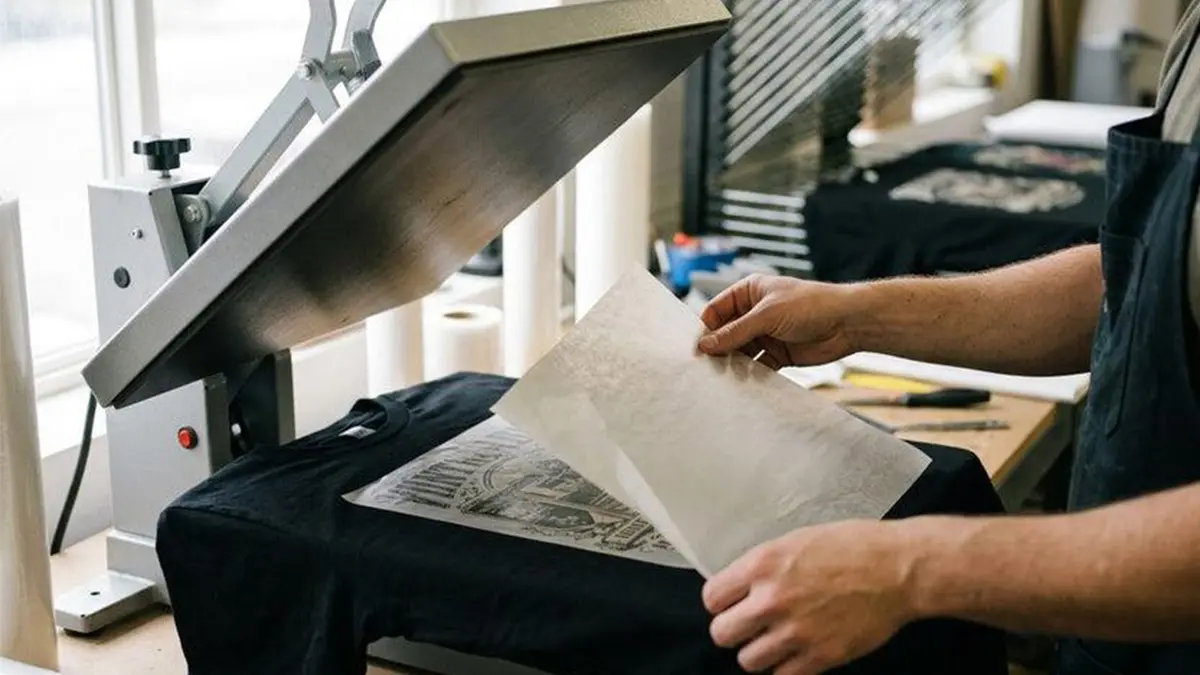
Screen printing is one of the most established methods for decorating custom clothing. Ink is transferred through a mesh screen onto the garment, creating a durable printed design.
It is particularly suitable for larger orders with relatively simple artwork, such as company T-shirts, event shirts, team uniforms, and promotional apparel.
For example, a sports team ordering a large quantity of T-shirts with the same logo may benefit from screen printing because the setup cost can be distributed across more pieces.
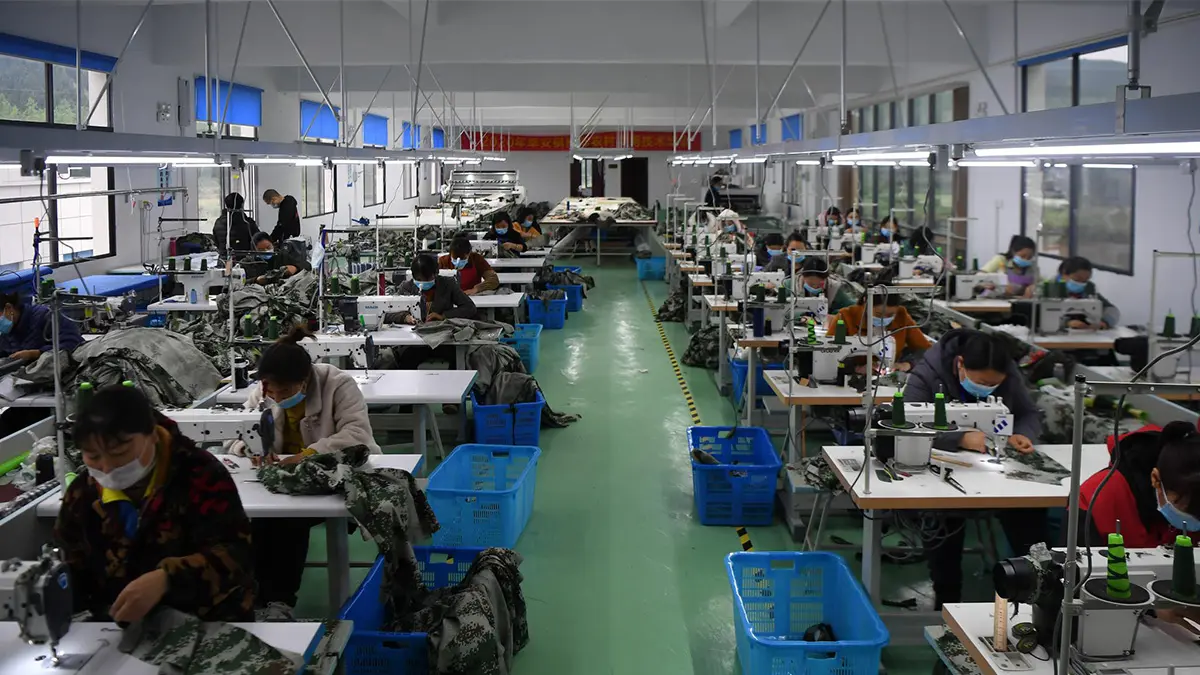
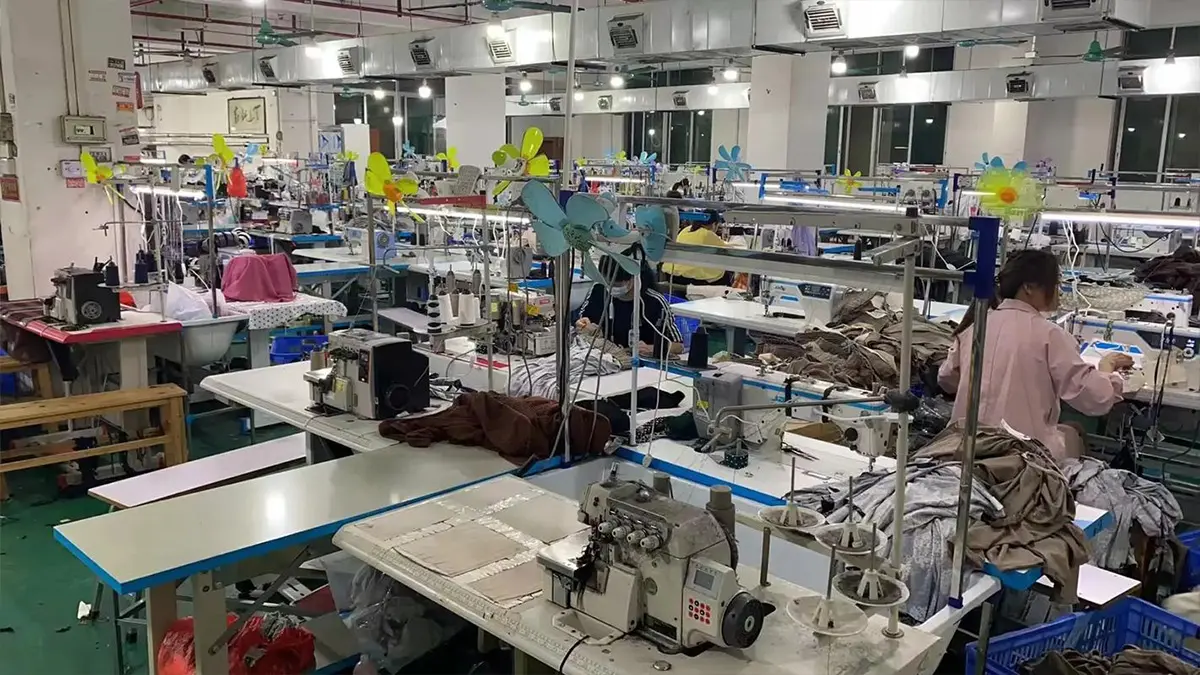
Our custom clothing production service can support screen printing for team apparel, corporate clothing, event T-shirts, and other bulk orders where consistent branding and cost efficiency are important.
2. DTF Printing for Detailed and Full-Color Designs
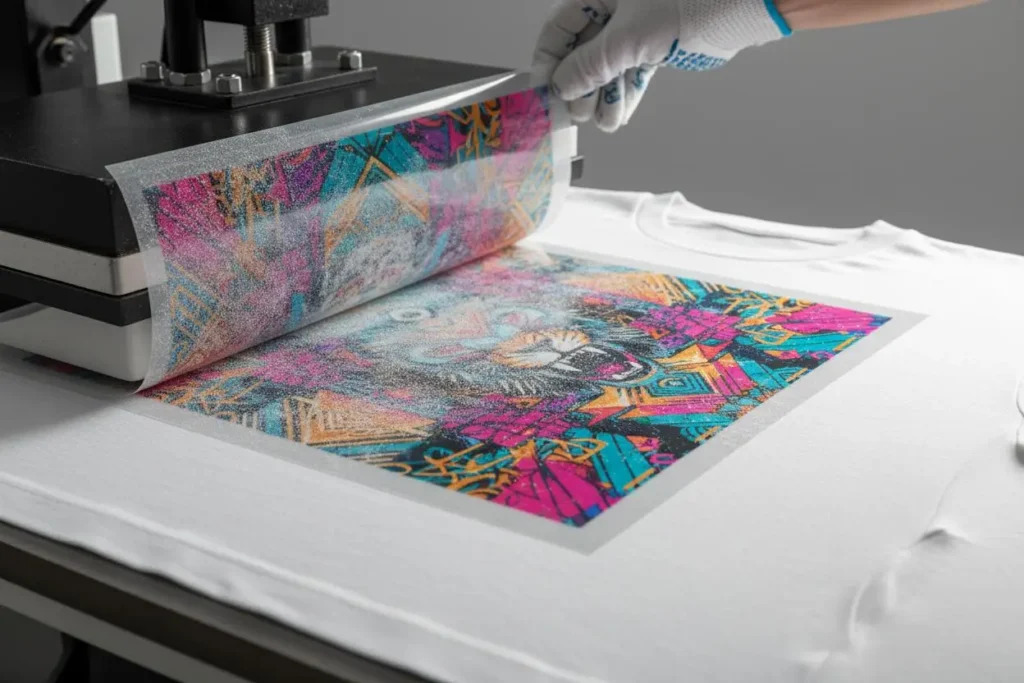
DTF, or Direct-to-Film printing, has become increasingly popular in custom apparel because it can reproduce detailed graphics, gradients, multiple colors, and complex artwork.
Compared with traditional screen printing, DTF is particularly useful when a design contains many colors or when an order requires different individual designs.
For team apparel, this can be useful when shirts need different player names, numbers, logos, or other personalized details.
Our production team can combine DTF printing with different garment styles, allowing customers to develop customized apparel according to their artwork and project requirements.
3. Embroidery for a More Professional Appearance
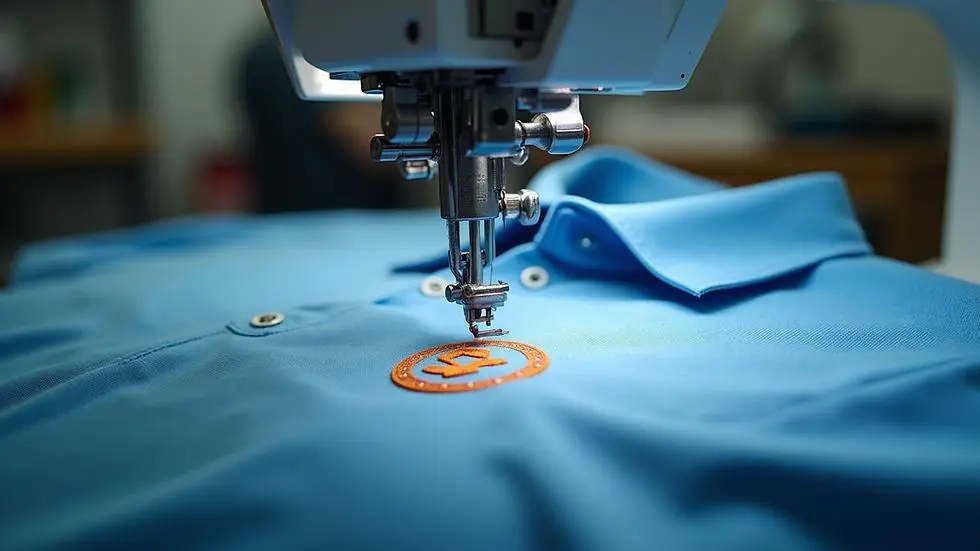
Embroidery creates a design by stitching thread directly onto the garment. It is commonly used for polo shirts, jackets, caps, workwear, uniforms, and corporate apparel.
Unlike printed graphics, embroidery gives logos a textured and three-dimensional appearance. It can be especially suitable for companies looking for a professional uniform style.
However, embroidery is not ideal for every design. Very small details, complex gradients, and extremely thin lines may need to be simplified before production.
Our team can review the artwork before production and recommend whether embroidery, printing, or a combination of methods is more appropriate.
4. How Should You Choose?
The best decoration method depends on several factors:
- Large quantity + simple graphics: Screen printing
- Detailed/full-color graphics: DTF
- Corporate logos and uniforms: Embroidery
- Sports jerseys with all-over graphics: Sublimation
- Personalized names and numbers: DTF, heat transfer, or other suitable methods
There is no single decoration method that is perfect for every custom clothing project.
At our custom apparel manufacturing service, we focus on matching the garment, fabric, artwork, quantity, and decoration technique before production. This helps customers avoid choosing a method simply because it is popular.
Conclusion
A successful custom apparel project starts with the right production method. Screen printing, DTF, embroidery, and sublimation each have their own strengths.
By evaluating the fabric, artwork, order quantity, budget, and intended use together, businesses and teams can achieve a better balance between appearance, durability, and cost.
Source basis: Current 2026 industry guides similarly emphasize that garment type, artwork complexity, quantity, and use case should determine the decoration method.