Introduction
When buyers evaluate a garment manufacturer, they often focus on product quality, price, samples, and delivery schedules.
However, production equipment also plays an important role in manufacturing continuity.
A sewing machine that repeatedly stops working, a cutting machine that requires unexpected repairs, or a poorly maintained finishing unit can interrupt the production sequence. These interruptions may affect output, create scheduling pressure, and require the factory to reorganize work.
Preventive maintenance is one way manufacturers manage these risks.
What Is Preventive Maintenance?
Preventive maintenance involves planned inspections and servicing intended to reduce the likelihood of equipment failure.
In a garment factory, the exact activities depend on the equipment. They may include cleaning, lubrication, checking machine components, inspecting electrical connections, replacing worn parts, and verifying operating conditions.
The objective is to identify potential problems before they cause an unexpected interruption.
Preventive maintenance does not eliminate all breakdowns, but it can help make equipment management more systematic.
Why Garment Production Equipment Needs Attention
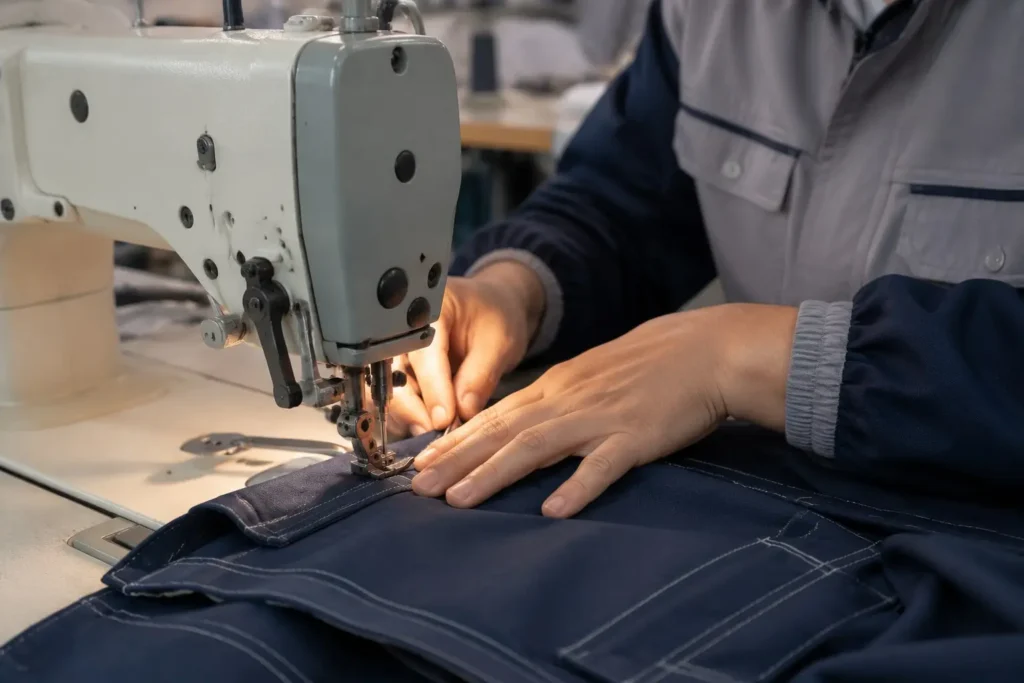
Garment manufacturing involves different types of machinery and equipment, including:
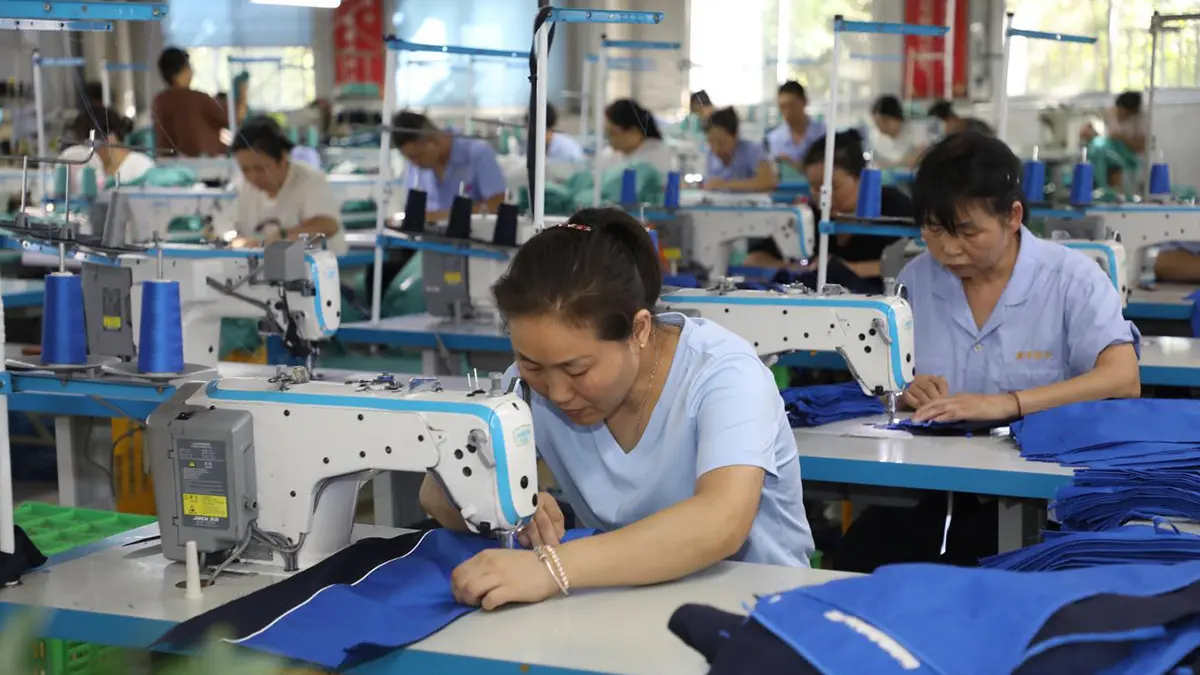
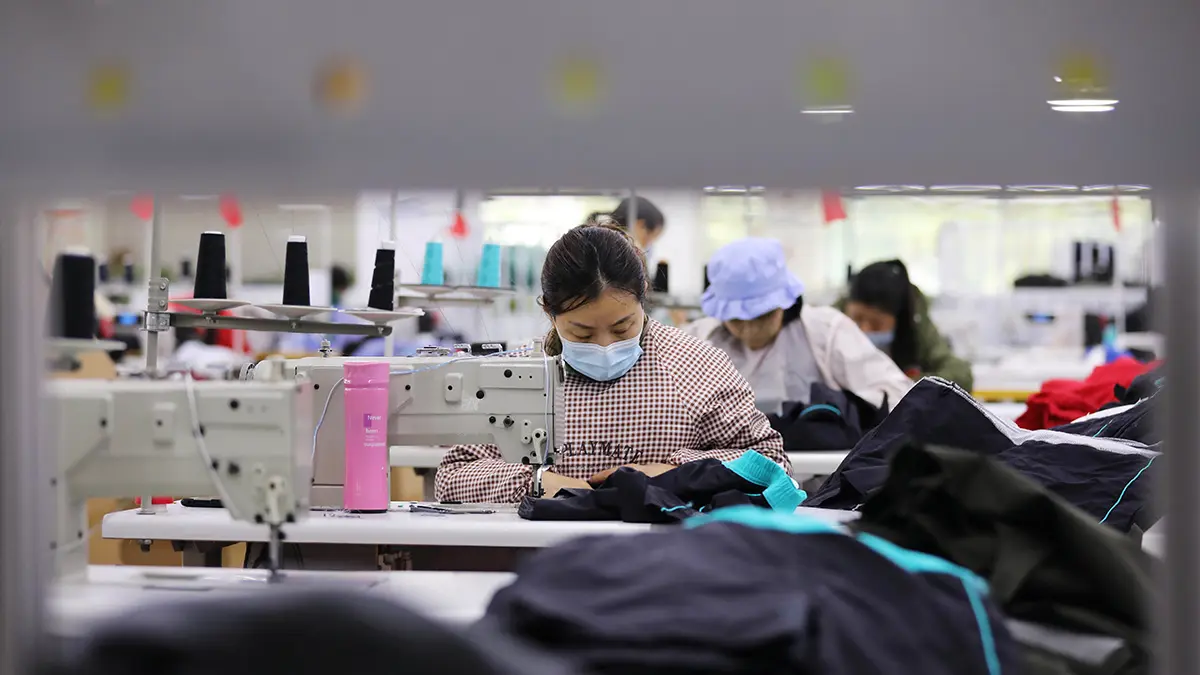
- Industrial sewing machines
- Overlock machines
- Cutting equipment
- Pressing equipment
- Embroidery machines
- Printing or heat-transfer equipment, where applicable
- Finishing and packing equipment
Each type of equipment has its own maintenance requirements.
For example, lint accumulation may interfere with certain sewing machine operations, while worn mechanical components can affect stitching consistency. Cutting equipment may require attention to blade condition and safety systems.
Maintenance should follow the equipment manufacturer’s guidance and the actual operating conditions.
How Equipment Problems Can Affect Production
Production Interruptions
When essential equipment stops unexpectedly, the factory may need to pause a process or move work elsewhere.
Whether this affects the final delivery date depends on the severity of the problem, available alternatives, and the production schedule.
Variation in Production Results
Equipment condition can influence how consistently certain operations are performed.
For example, machine settings and component condition can affect stitch formation. Maintenance alone does not guarantee quality, but it supports stable operating conditions.
Scheduling Pressure
If equipment failure occurs during a busy production period, the factory may have less flexibility to recover lost time.
Planned maintenance can help manufacturers schedule servicing more deliberately rather than relying entirely on emergency repairs.
What Does a Maintenance Program Include?
A structured program may involve several elements.
Daily or Routine Checks
Operators may check equipment condition before use, remove accumulated debris where appropriate, and report unusual noise, vibration, or operating behavior.
Scheduled Servicing
Machines may receive periodic cleaning, lubrication, adjustment, and component inspections according to their requirements.
Repair Records
Factories can document the date of servicing, reported problems, replaced components, and follow-up work.
Spare Parts Planning
Some replacement parts may need to be available before they are required. The appropriate inventory depends on equipment type, lead times, and operational needs.
Staff Responsibilities
Operators, maintenance personnel, and production supervisors should understand who is responsible for routine checks, reporting faults, and approving equipment for continued use.
Questions Buyers Can Ask a Manufacturer
Buyers do not necessarily need access to every maintenance record. However, for large or time-sensitive orders, it can be useful to understand how production continuity is managed.
Consider asking:
- How are equipment problems reported?
- Is routine maintenance scheduled?
- Who is responsible for servicing essential equipment?
- What happens if a critical machine becomes unavailable?
- Are alternative machines or production arrangements available where needed?
- How are equipment-related delays communicated?
The purpose is to understand the manufacturer’s process, not to assume that every factory uses the same maintenance system.
Maintenance and Delivery Planning
Equipment maintenance should be considered alongside production scheduling.
If a planned service affects a key process, the manufacturer may need to account for it when organizing production.
For buyers, the important point is to confirm realistic production arrangements and understand how significant disruptions will be communicated.
A maintenance program is one part of operational planning; it cannot replace material readiness, workforce planning, or clear production scheduling.
Our Approach to Custom Apparel
For custom apparel orders, production continuity depends on the coordination of people, materials, equipment, and scheduling.
Our approach is to consider manufacturing requirements when planning production and to communicate relevant constraints as early as possible.
Buyers can support this process by providing complete specifications, confirming approvals promptly, and discussing critical delivery requirements before production begins.
Conclusion
Preventive maintenance is not always visible in the finished garment, but it can influence how reliably a factory operates.
For B2B buyers, understanding a manufacturer’s approach to equipment care can provide useful context when evaluating production readiness and delivery planning.
The most valuable maintenance program is one that matches the equipment, operating conditions, and production requirements rather than relying solely on emergency repairs.