Introduction
Approving a sample does not always mean that a garment is ready for large-scale production.
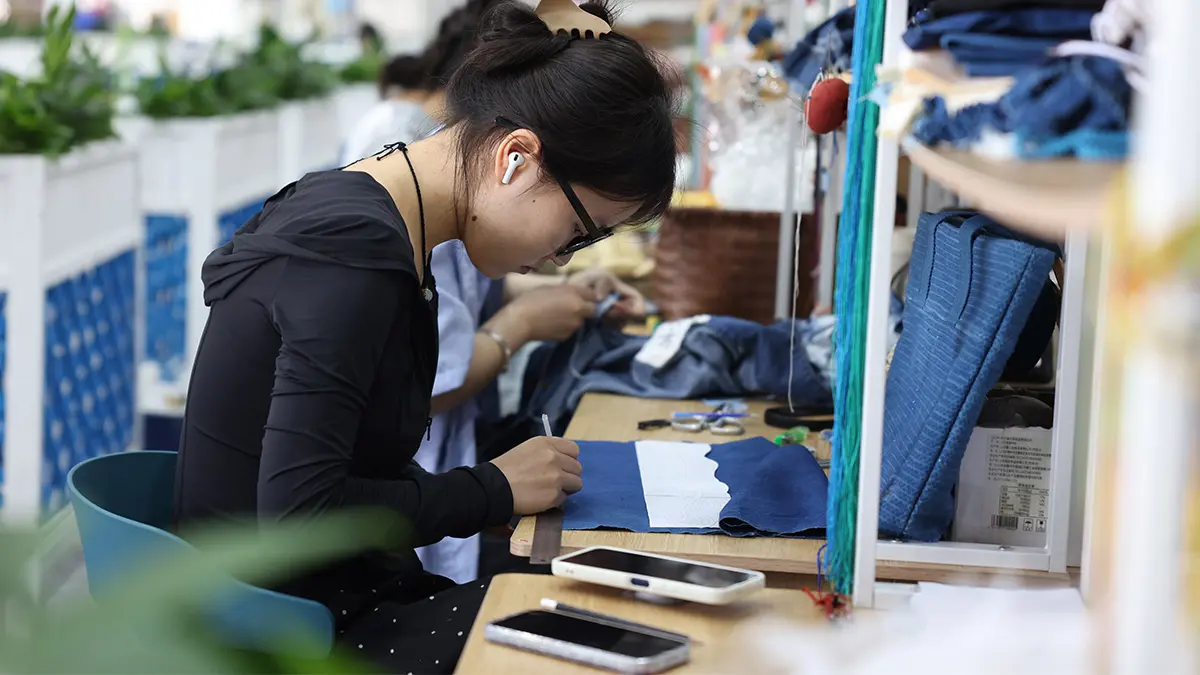
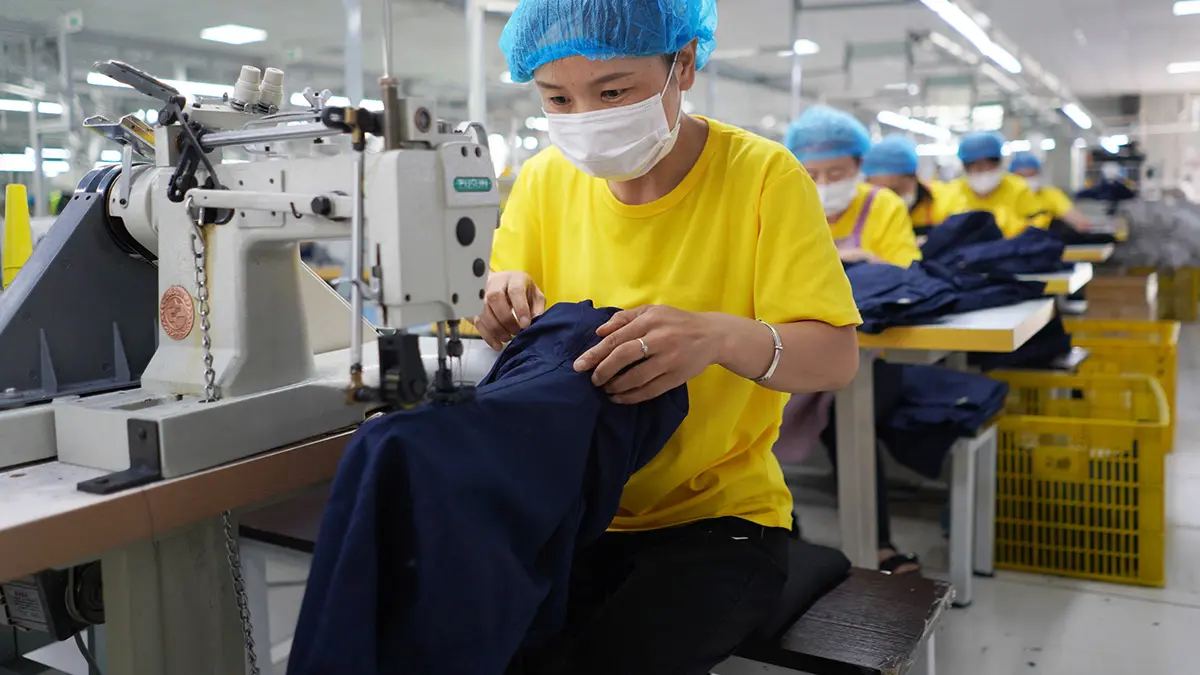
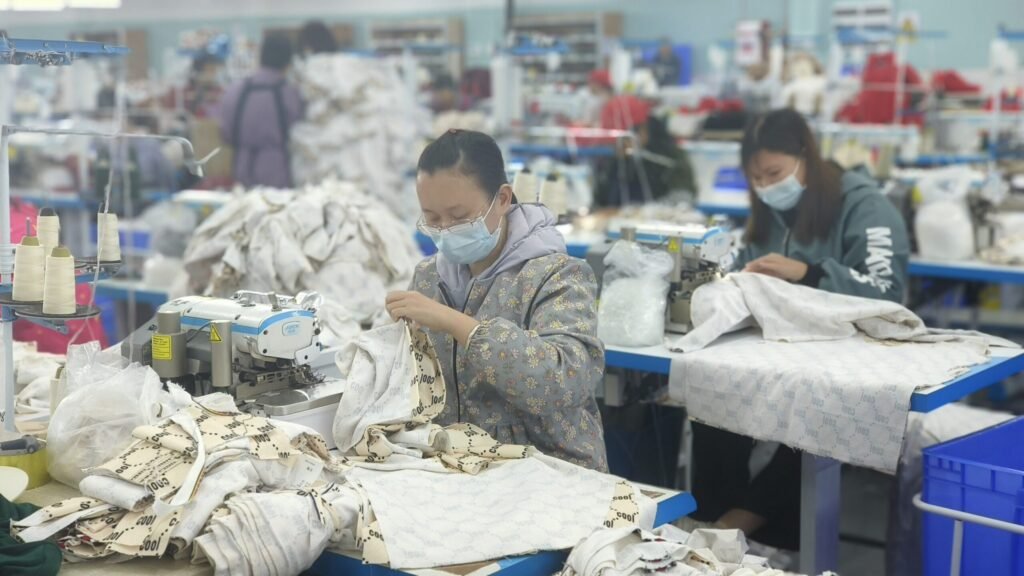
A sample may be produced individually by experienced sample-room personnel under conditions that are different from those of a production line. Bulk manufacturing introduces larger quantities of fabric, trims, operators, machines, production sequences, and packaging requirements.
For complicated custom apparel orders, a pilot production run can provide an additional checkpoint between sample approval and full-scale production.
What Is a Pilot Production Run?
A pilot production run is a limited production exercise carried out before the main bulk order.
The exact quantity depends on the product and manufacturing arrangement. The purpose is not simply to produce a few extra garments.
Instead, the pilot run is intended to answer an important question:
Can the approved design be reproduced consistently under normal production conditions?
This makes it different from a normal development sample.
Why the Approved Sample May Not Be Enough
A sample is usually created to demonstrate the intended result.
Bulk production has additional variables.
For example, the factory may need to:
- Prepare larger quantities of fabric
- Cut multiple layers
- Distribute components to production operators
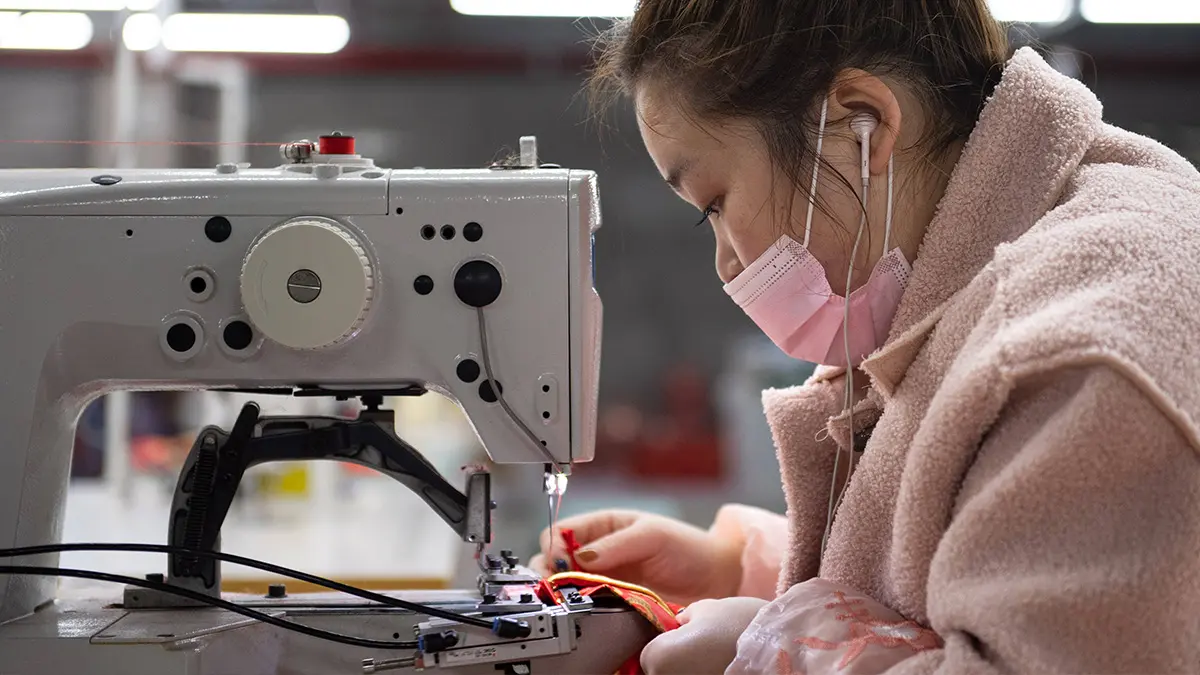
- Maintain consistent sewing operations
- Apply decorations repeatedly
- Assemble garments in sequence
- Conduct production inspections
- Pack finished garments
A pilot run can reveal practical issues that were not obvious during individual sample development.
What Should Be Checked During the Pilot?
The pilot should focus on the specifications that matter most to the finished product.
1. Material Performance
Check whether the approved fabric and trims behave consistently during actual production.
The focus may include cutting behavior, sewing behavior, appearance, and compatibility with decoration processes.
2. Construction
The manufacturer should confirm that the approved construction can be reproduced efficiently.
This includes seams, pockets, closures, panels, labels, and other components.
3. Decoration
For printed, embroidered, or otherwise decorated garments, the pilot provides an opportunity to check repeatability.
The first sample may look correct, but production needs to reproduce the same visual result across multiple pieces.
4. Measurements
A pilot run can help verify that production garments remain within the agreed measurement tolerances.
This is particularly useful for styles with complicated construction or multiple size specifications.
5. Production Sequence
Some garments contain many operations.
The pilot can reveal whether the planned production sequence creates unnecessary handling, bottlenecks, or quality risks.
The Pilot Is Also a Communication Tool
A useful pilot run creates a shared physical reference between the buyer and manufacturer.
Instead of discussing a problem only through photographs or written descriptions, both sides can inspect actual production garments.
The buyer can then provide comments based on the same physical result.
This is especially useful when several departments are involved in the order.
What Buyers Should Document
Before starting a pilot run, buyers should clearly identify the approved reference.
This may include:
- Approved sample
- Final measurements
- Fabric specification
- Color reference
- Artwork
- Decoration instructions
- Labels
- Trim specifications
- Packaging requirements
After the pilot, any approved changes should also be documented.
The goal is to prevent the pilot itself from becoming another ambiguous reference.
When Is a Pilot Run Especially Useful?
Pilot production can be particularly useful when:
- The garment has complicated construction
- Several decoration processes are combined
- The order quantity is large
- The product is being manufactured for the first time
- Multiple materials are involved
- The garment has strict appearance requirements
- The order contains several sizes or variants
- The buyer expects long-term repeat production
Not every simple garment requires the same level of production validation.
The appropriate process should match the complexity and risk of the order.
Pilot Run vs. Pre-Production Sample
These terms are sometimes used interchangeably, but they can represent different activities.
A pre-production sample generally confirms what the finished garment should look like before bulk production.
A pilot run goes one step further by testing whether that approved result can be reproduced through the actual production workflow.
For complex custom apparel, using both checkpoints can provide clearer control.
What Happens After the Pilot?
Once the pilot garments have been evaluated, the buyer and manufacturer should decide whether:
- Production can proceed
- Minor adjustments are required
- Materials need to be reviewed
- Construction needs modification
- Artwork or decoration needs correction
- Measurements need clarification
Any approved changes should be incorporated into the final production documentation.
Our Approach to Custom Apparel
For custom apparel projects that require additional production validation, our approach is to use the pilot stage to connect product development with actual manufacturing conditions.
We focus on comparing the pilot result against the approved specifications and identifying issues before the main production volume is released.
The purpose is not to add unnecessary steps to every order. It is to create an appropriate validation point when the product’s complexity or order scale makes additional confirmation valuable.
Conclusion
A successful sample demonstrates what a garment should look like. A successful pilot run helps demonstrate that the garment can be reproduced consistently.
For larger or technically complicated custom apparel orders, this additional step can help identify production problems before they affect the entire order.
For buyers, the key is to define the reference clearly, test the right details, document decisions, and only then move into full production.