Introduction
Corporate clothing programs often include several garment styles, colors, or employee groups. A company may want a small quantity of jackets, a larger quantity of polo shirts, and different colors for individual departments.
From the supplier’s perspective, the challenge is to organize these requirements without creating unnecessary material costs, inefficient production setups, or unrealistic delivery expectations.
Minimum order quantity, or MOQ, should therefore be discussed in the context of the actual product and manufacturing process—not treated as one fixed number for every order.
1. Understand What the MOQ Applies To
An MOQ may apply to the complete order, an individual style, a fabric color, a custom-dyed material, or a particular decoration process.
For example, a supplier may be able to produce a small quantity using an available stock fabric but require a larger quantity when a customer requests a specially dyed color. The minimum may also differ between a simple T-shirt and a more complex jacket.
To prevent misunderstandings, suppliers should state clearly:
- The minimum quantity for each garment style.
- Whether the minimum applies separately to each color.
- Whether fabric or trim suppliers impose their own minimums.
- Whether decoration or finishing processes have separate setup requirements.
- How mixed sizes can be combined within the order.
This information helps customers compare options on a like-for-like basis.
2. Separate Style Quantity From Color Quantity
A company might need 500 garments across five styles, but that does not automatically mean each style can be produced economically in a quantity of 100.
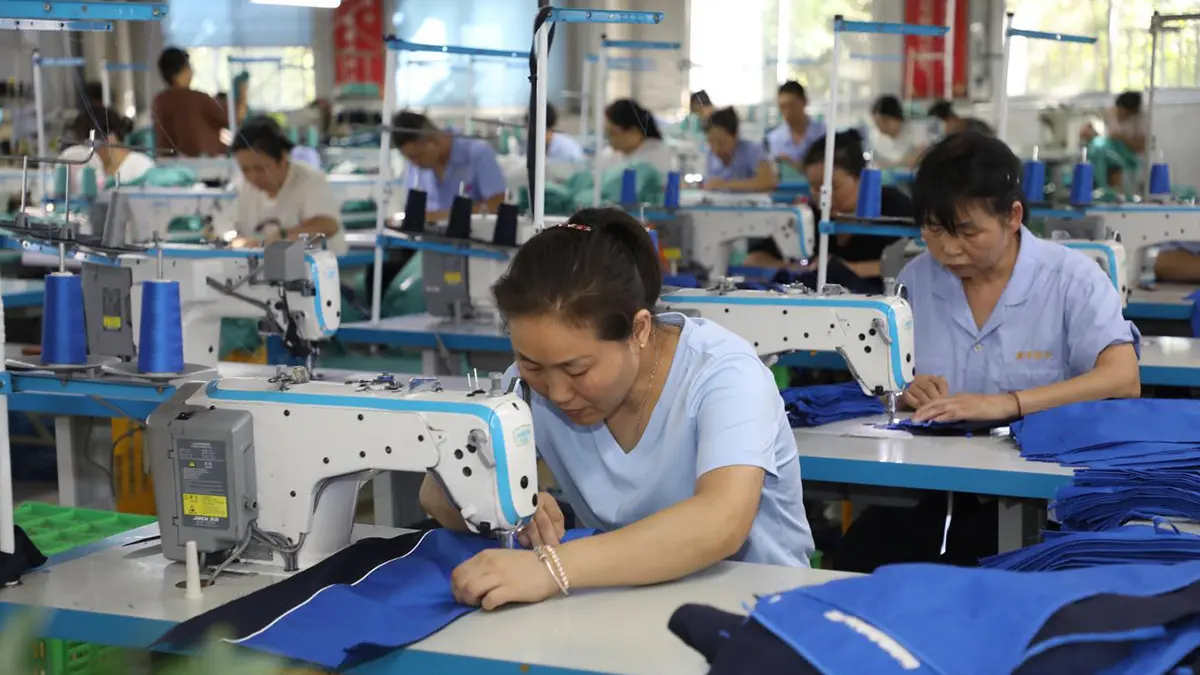
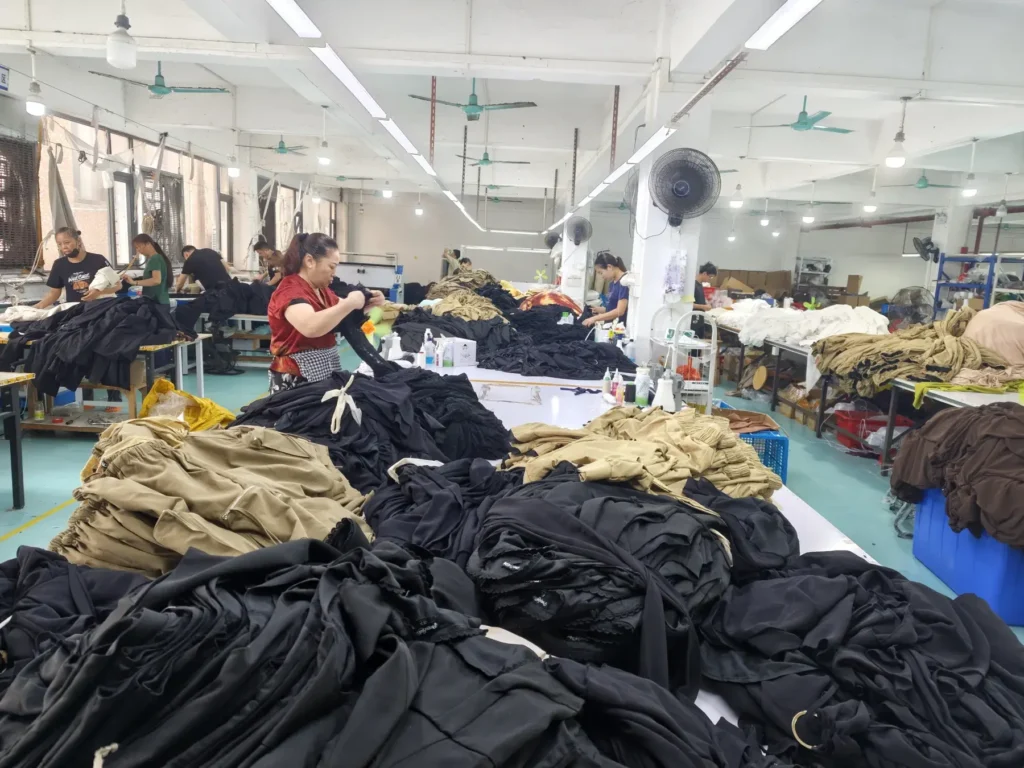
Different styles may use different fabrics, patterns, trims, or production operations. Each additional variation can introduce extra preparation work and material requirements.
Suppliers should prepare a quantity breakdown by style and color before confirming the order. This reveals where the order is efficient and where the requested assortment may create additional costs.
If a customer has flexibility, consolidating similar styles or reducing unnecessary color variations may make production more practical.
3. Explain the Cost Drivers Behind Small Orders
Small orders are not always expensive because the garments themselves are difficult to make. Some costs are related to preparation rather than the number of pieces produced.
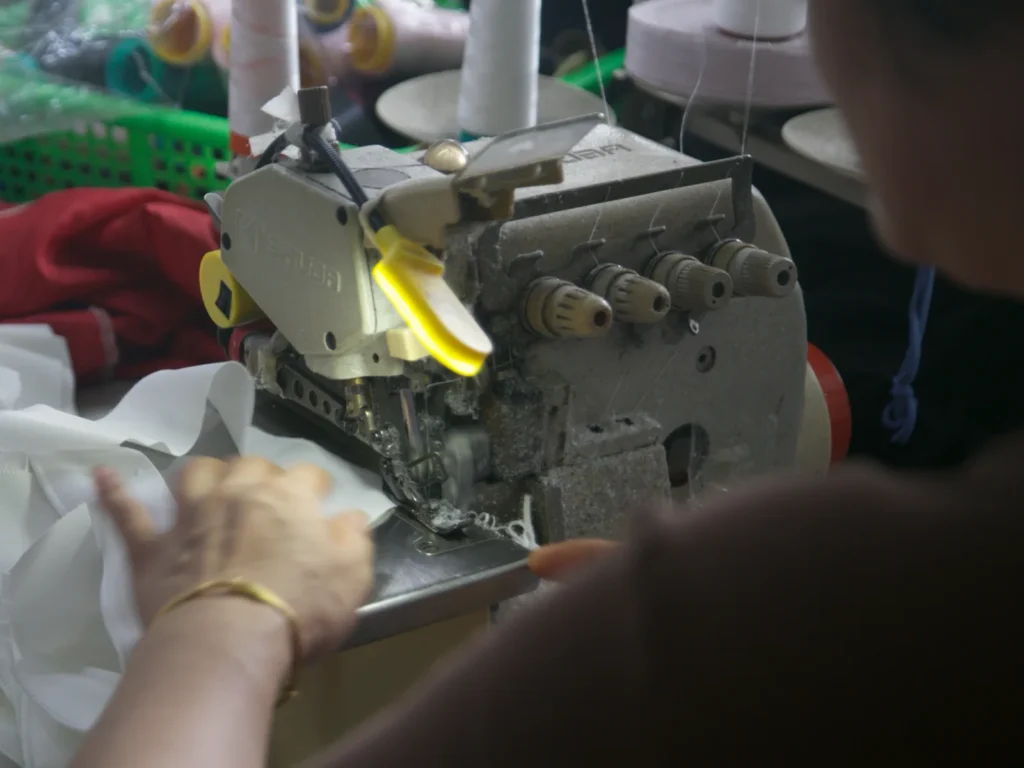
These can include pattern preparation, machine setup, artwork preparation, material purchasing, cutting-room planning, and quality checks. When these tasks are spread across fewer garments, the setup cost per piece may increase.
A supplier should explain which costs are fixed, which vary with quantity, and which depend on fabric or customization choices. This gives the customer a clearer understanding of why a small run may have a different unit price from a large production order.
4. Offer Practical Ways to Structure the Order
When the requested quantity falls below a supplier’s preferred production level, several alternatives may be worth discussing.
Use available materials: Stock fabrics may reduce the need for special material purchasing, depending on color, composition, and available quantity.
Consolidate similar requirements: If different teams can share a garment style or fabric, the supplier may be able to plan a more efficient production run.
Prioritize essential colors: Reducing the number of color variations can simplify fabric purchasing and production scheduling.
Separate immediate and future needs: Where commercially practical, the customer may consider a larger planned order with staged deliveries, provided storage, payment, and inventory responsibilities are agreed in advance.
These options are not suitable for every project. The supplier should explain the trade-offs and confirm feasibility before making a commitment.
5. Confirm the Quantity Breakdown Before Production
The final order confirmation should show quantities by style, color, and size. It should also identify any minimums that apply to particular materials or processes.
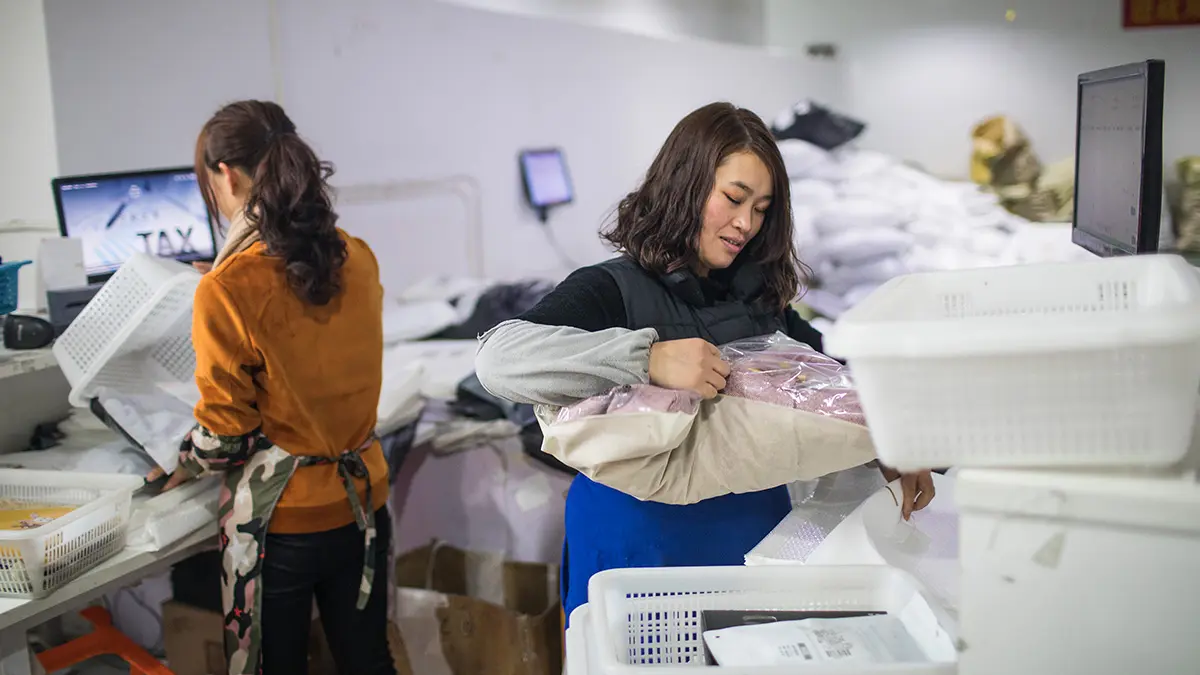
This breakdown becomes the reference for purchasing, cutting, production scheduling, packing, and final reconciliation. Changes after materials have been purchased or cutting has begun may create additional cost or leftover stock.
A clear quantity plan also helps both parties understand whether any agreed overage, replacement quantity, or production allowance applies.
Conclusion
MOQ management is about matching customer requirements with the realities of materials, setup, and production planning. Suppliers who explain minimums transparently and offer practical alternatives can help corporate customers build custom apparel orders that are more predictable and commercially workable.