Introduction
The neckline is one of the first areas people notice when looking at a garment. It also affects how a shirt sits on the body, how easily it can be put on, and whether it maintains its shape after repeated wear and washing.
For custom T-shirts, polo shirts, sweatshirts, and other garments, a neckline that looks correct in a drawing may behave differently when made from the actual production fabric.
Buyers should therefore review neckline dimensions, construction, and fit together rather than treating the neckline as a simple design line.
1. Confirm the Neckline Shape
Different neckline shapes create different visual effects and fit requirements.
Common options include crew necks, V-necks, scoop necks, square necks, and wider boat necks. Even within the same category, small changes in depth, width, or curvature can alter the garment’s appearance.
Before sampling, buyers should specify:
- Front neckline width
- Front neckline depth
- Back neckline depth
- Shape and curvature
- Shoulder seam reference points
- Any required symmetry
A reference garment or dimensioned technical drawing can help communicate the intended shape more accurately than a general description such as “regular crew neck.”
2. Choose the Right Finishing Method
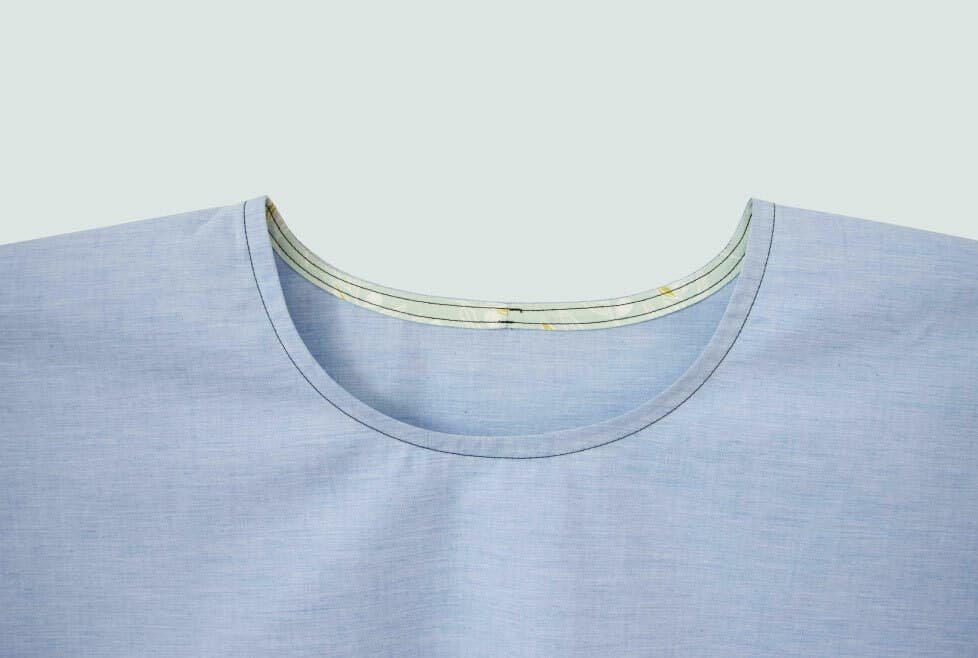
Necklines can be finished using ribbing, self-fabric binding, separate binding, facings, or other methods suited to the garment.
The best option depends on fabric weight, stretch, garment style, and the desired appearance.
For example, a ribbed neckline may be appropriate for a casual knit T-shirt, while a woven blouse may require a different finishing approach.
Buyers should confirm the intended method before the sample is developed. Changing the finishing method later can affect the neckline dimensions, seam construction, and overall appearance.
3. Check the Relationship Between the Neckline and Fabric
The body fabric plays a major role in neckline performance.
A stretchy knit may require a different construction approach from a stable woven fabric. If the neckline finish is too long or insufficiently stable for the material, the opening may gape or lose its shape.
If it is too short or overly restrictive, the neckline may gather, curl, or feel uncomfortable.
During sampling, check whether the neckline lies flat and follows the intended shape without pulling or excessive waviness.
4. Confirm Neckline Measurements on the Finished Garment
Measurement methods should be consistent.
For example, neckline width may be measured between defined shoulder reference points, while neckline depth may be measured from a specified point on the shoulder or from the high point of the shoulder.
The technical specification should clearly state the measurement points and whether the garment is measured flat or in another defined position.
Buyers should also establish acceptable tolerances with the manufacturer. A small dimensional difference may have a noticeable visual effect on a fitted neckline or a garment with a wide opening.
5. Evaluate Comfort and Ease of Dressing
The neckline must work during actual wear, not just look correct when laid flat.
A narrow opening may make it difficult to pull a garment over the head. A wide neckline may shift during movement or expose more of the shoulder than intended.
Sample evaluation should include:
- Putting the garment on and taking it off
- Turning the head and moving the shoulders
- Checking for pressure or irritation
- Confirming that the neckline stays in the intended position
- Checking whether the neckline stretches excessively during dressing
For garments designed for children, older wearers, or specific work environments, the ease of dressing may deserve additional attention.
6. Inspect Stitching and Seam Bulk
Neckline seams are often visible and may sit close to the skin.
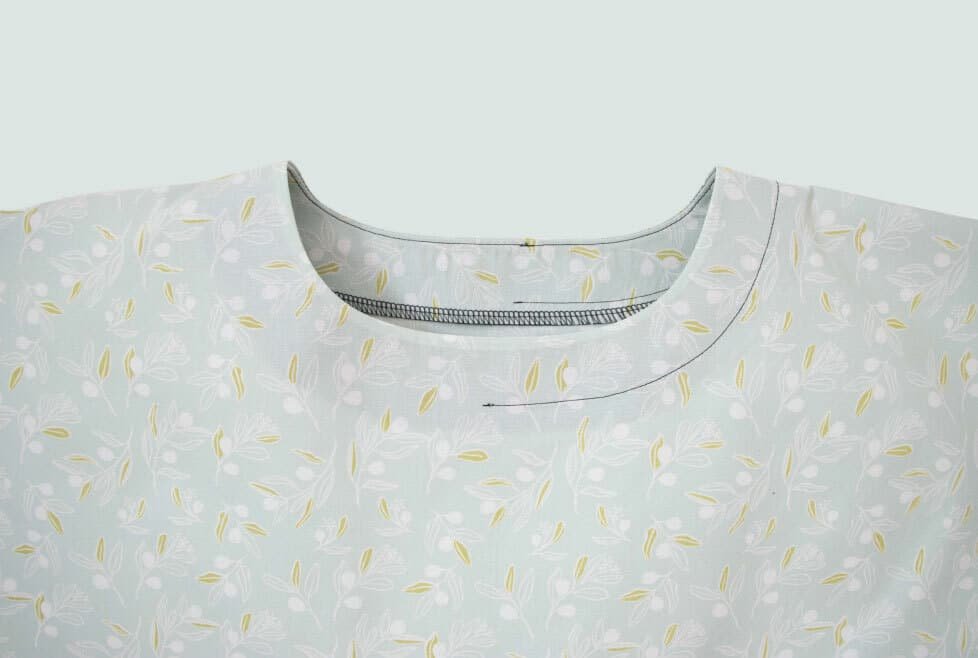
Buyers should inspect the stitching for consistency, loose threads, skipped stitches, puckering, and uneven seam allowances.
Where several layers meet, excessive bulk may make the neckline feel stiff or cause the finished edge to sit unevenly.
The inside of the garment should be checked as carefully as the outside, especially for products intended for frequent or prolonged wear.
7. Test Shape Retention After Washing
A neckline may look perfect before washing but become stretched, wavy, or distorted afterward.
The risk depends on the fabric, finishing material, stitching, and care conditions.
Before bulk approval, wash the sample according to the intended care instructions and check whether:
- The neckline retains its intended shape
- The edge remains flat
- Stitching stays secure
- The opening does not become excessively loose
- The front and back remain balanced
If the garment uses a separate rib or binding material, inspect the relationship between that component and the body fabric after washing.
8. What Should Be Included in the Tech Pack?
A neckline specification should include:
- Neckline shape and drawing
- Width and depth measurements
- Measurement reference points
- Finishing method
- Rib or binding material, where applicable
- Stitching requirements
- Measurement tolerances
- Approved sample reference
If different sizes use different neckline proportions, specify how the measurements should be graded across the size range.
Our Approach to Custom Apparel
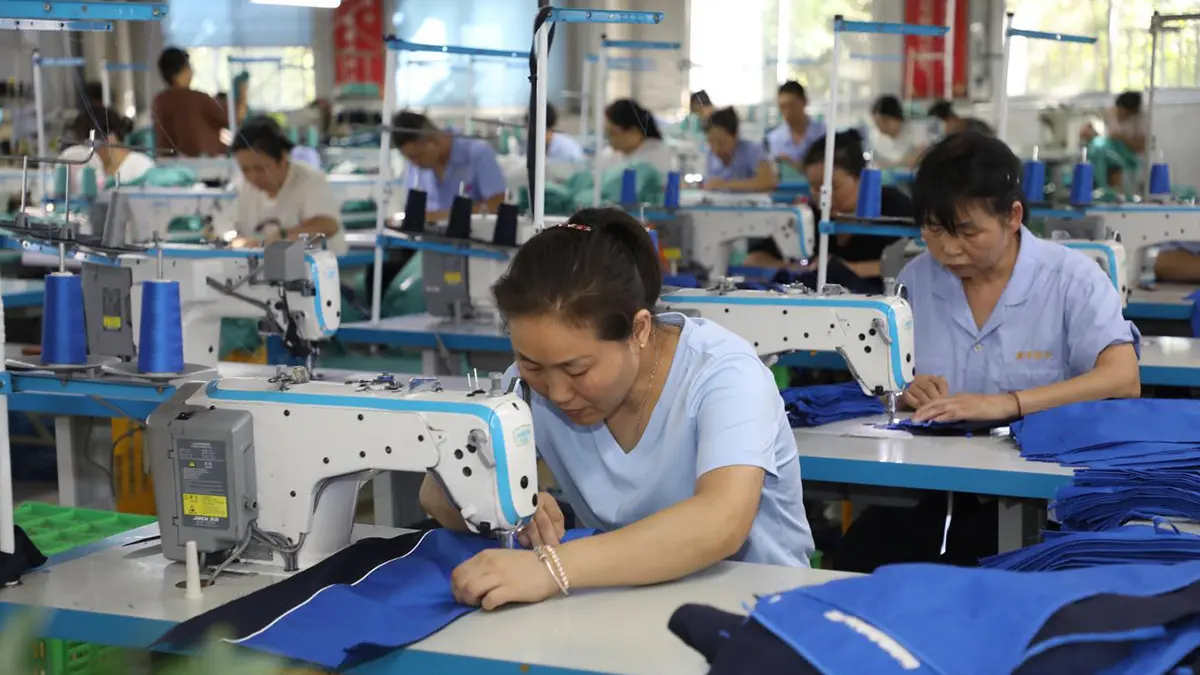
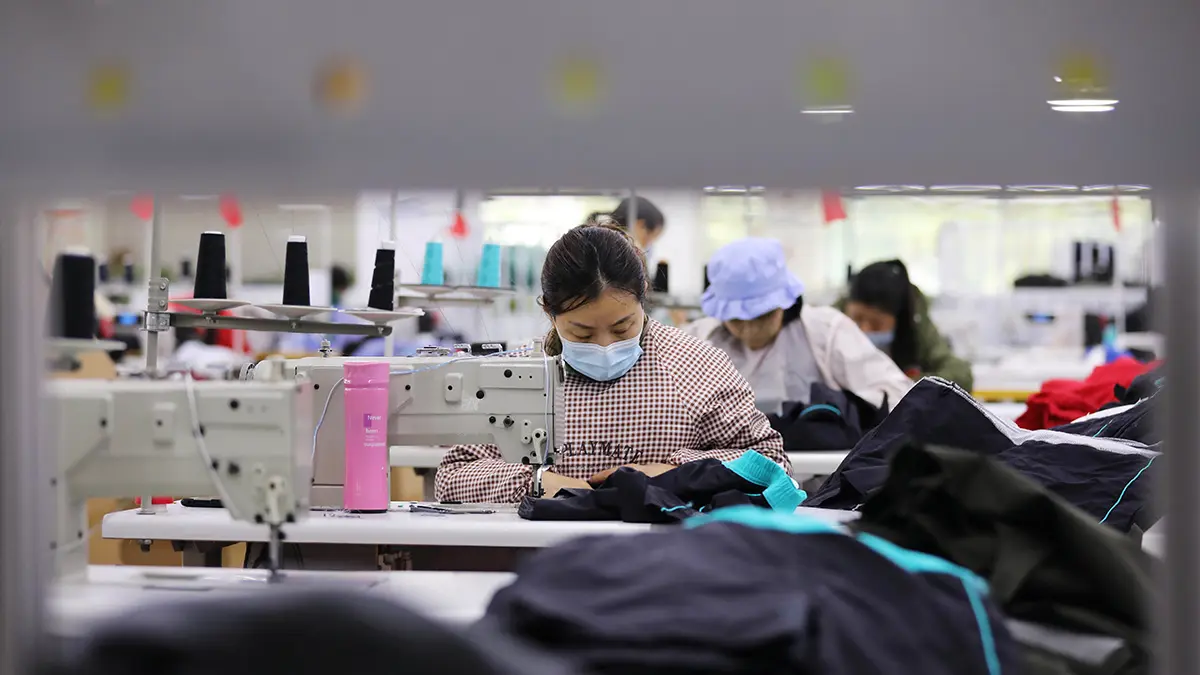
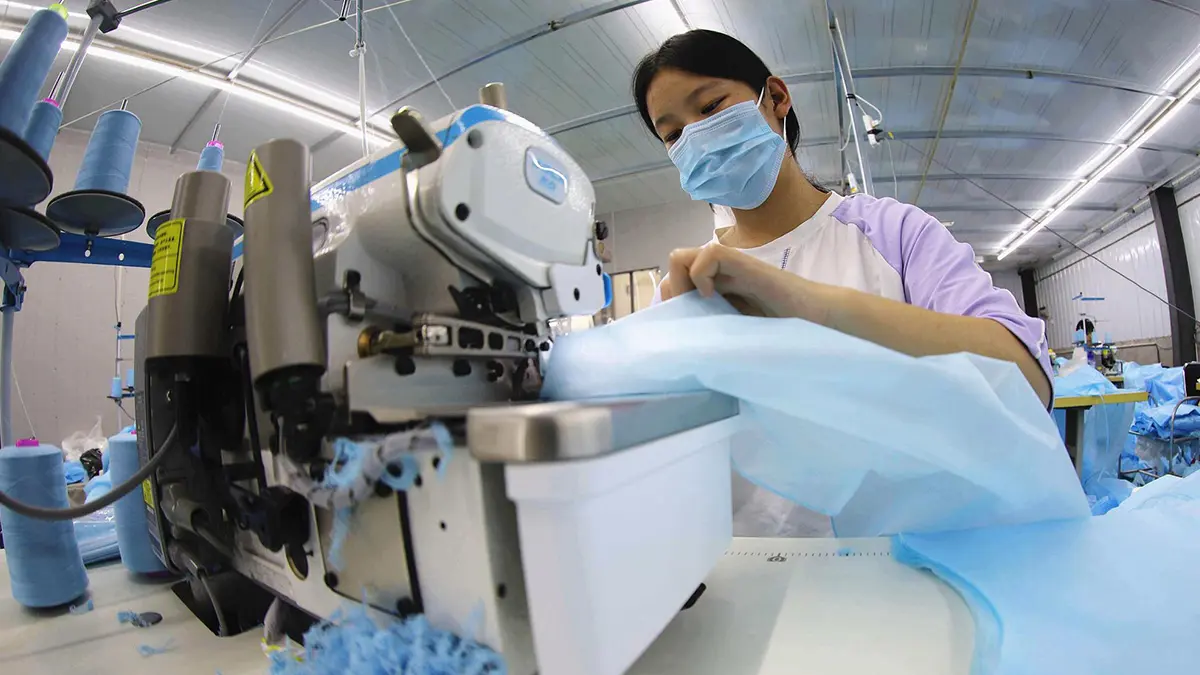
For custom garments, neckline approval should combine measurements, construction details, and physical fit evaluation. Reviewing the actual fabric and finishing method together helps buyers identify problems before they are repeated across a bulk order.
Conclusion
A neckline may appear to be a small design feature, but it has a direct effect on appearance, comfort, and durability.
Before approving custom apparel for bulk production, buyers should confirm the shape, finishing method, dimensions, and post-wash performance using a representative sample.