Introduction
The lower edge of a garment contributes to its overall silhouette. A straight hem may create a clean, simple appearance, while a curved hem can provide a softer outline. Side vents may improve movement and affect how a shirt sits over the hips.
These details are particularly relevant when customizing polo shirts, casual shirts, lightweight jackets, and other garments worn by company teams.
Choosing a hem design should involve more than visual preference. Buyers should consider garment length, intended wear, fabric behavior, and the desired finish.
1. Choose a Hem Shape That Matches the Garment
A straight hem often works well for garments intended to be worn tucked in or for styles with a clean, uniform lower edge.
A curved hem may suit shirts designed to be worn untucked. However, the depth of the curve and the difference between front and back lengths can change the garment’s appearance significantly.
Before sampling, specify the intended hem shape and provide a clear reference. Avoid assuming that a supplier will interpret terms such as “rounded hem” or “shirt-tail hem” in exactly the same way.
2. Confirm Front and Back Lengths
Some garments are designed with a longer back hem than front hem. This can affect coverage and the visual balance of the garment.
Specify the finished front and back lengths separately where necessary. If the hem is curved, identify the measurement points so that the supplier can measure consistently.
During sample review, check the garment on a wearer or dress form in the intended wearing position. A flat photograph may not show how the hem falls during movement.
3. Decide Whether Side Vents Are Necessary
Side vents create openings near the lower side seams. Depending on the garment design, they may allow greater movement and reduce tension when the wearer sits, bends, or moves.
Vents also introduce additional construction details. Their length, shape, reinforcement, and finishing should match the garment’s style.
For a corporate polo shirt, for example, a vent may support a more relaxed fit around the hips. For another garment, a closed side seam may be more suitable.
The decision should reflect the intended silhouette and use rather than treating vents as a standard feature for every garment.
4. Specify Hem Depth and Stitching
Hem depth affects the appearance and behavior of the lower edge.
A narrow hem may be appropriate for lightweight garments or curved edges, while a deeper hem may suit certain heavier or more structured garments. The correct choice depends on the material, edge shape, and garment style.
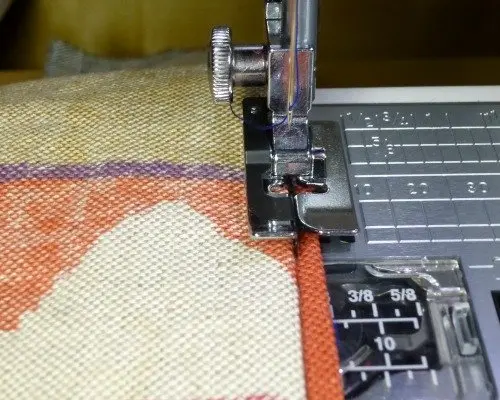
The specification should identify the intended finish and any visible topstitching. During inspection, check whether the hem lies flat, has consistent depth, and follows the intended line.
Excessive bulk or uneven stitching may be particularly noticeable on lightweight fabrics.
5. Consider Fabric Stretch and Edge Behavior
The hem construction should be compatible with the garment material.
Stretch knit garments may require a finish that allows the lower edge to retain sufficient flexibility. Woven garments may require a different method to control fraying and maintain a neat appearance.
Curved hems can also be more challenging to finish evenly because the fabric must be managed around the curve. The supplier should assess the proposed construction rather than assume that a straight-edge method will produce the same result.
6. Check the Hem During Movement
A garment’s lower edge may behave differently when the wearer stands, sits, bends, or raises the arms.
During sample evaluation, check whether the hem remains balanced and whether side vents open or pull in an unintended way. For garments designed to be worn untucked, confirm that the front and back lengths provide the intended coverage.
If the garment is intended for a specific activity, assess movement under conditions representative of that activity.
7. Review the Hem After Washing
Care can affect garment length, shape, and the appearance of the finished edge.
Follow the agreed care procedure and inspect whether the hem remains even, whether stitching has distorted the edge, and whether the garment’s original silhouette is maintained.
If the garment uses materials with different shrinkage behavior, consider how those differences may affect the finished lower edge.
8. Record the Design Clearly
A hem specification should include the shape, finished lengths, hem depth, vent dimensions where applicable, and stitching method.
Reference photographs or a technical drawing can help clarify curved profiles and intentional front-to-back differences. The approved sample should match the written specification, with any agreed exceptions recorded before bulk production.
Conclusion
Hem shape and finishing influence the appearance and practicality of custom garments. By defining the lower-edge profile, measurements, vent details, and construction method, buyers can reduce ambiguity and help suppliers reproduce the intended design.
The most suitable hem is the one that complements the garment’s style, material, and intended use.