
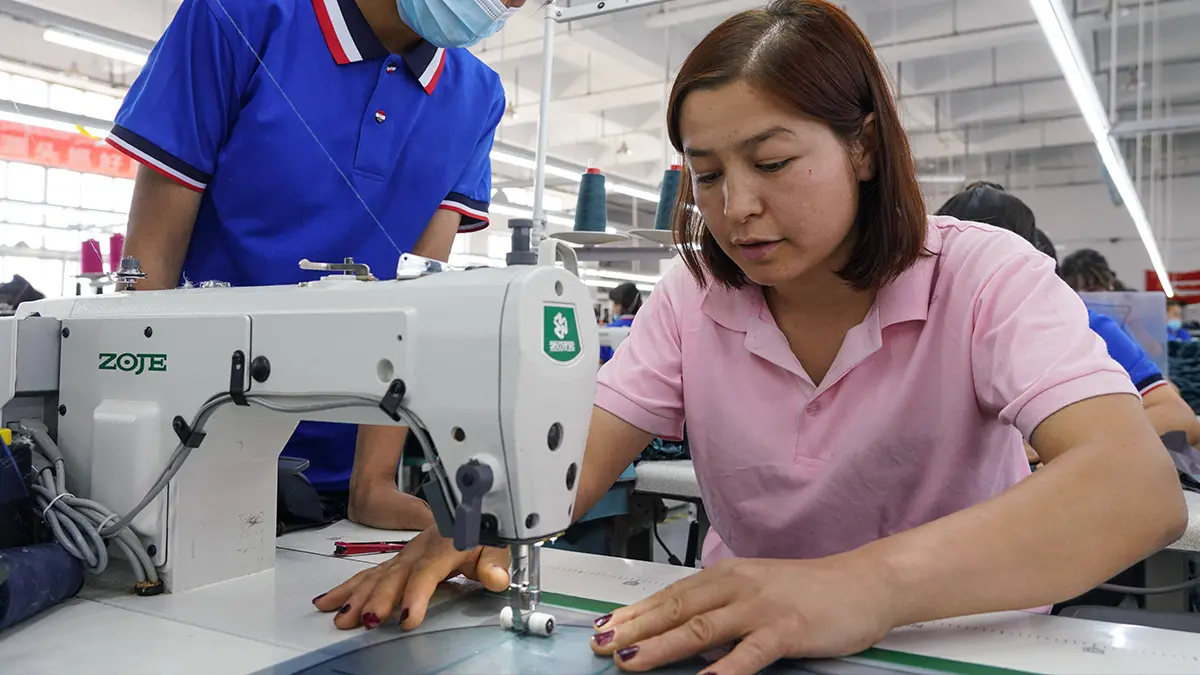
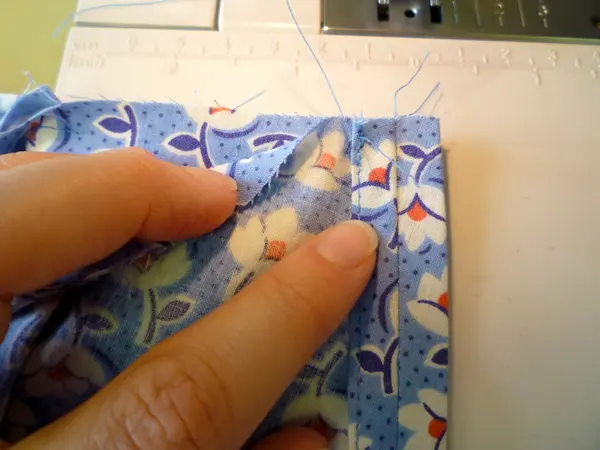
Seam intersections occur when two or more garment seams meet. They are common around collars, cuffs, waistbands, pockets, shoulder areas, and panel connections.
When several layers of fabric and seam allowance accumulate in one location, the result can become bulky, stiff, or uncomfortable.
For custom apparel suppliers, managing these intersections is important for both garment appearance and wearing comfort.
1. Understand Where Bulk Develops
Some garment areas naturally contain more layers than others.
Common examples include:
- Shoulder seams meeting neckline seams.
- Side seams meeting waistbands.
- Pocket corners connecting with garment panels.
- Collar sections joining the neckline.
- Sleeve seams meeting underarm seams.
These areas should be identified during pattern and construction planning.
2. Grade Seam Allowances
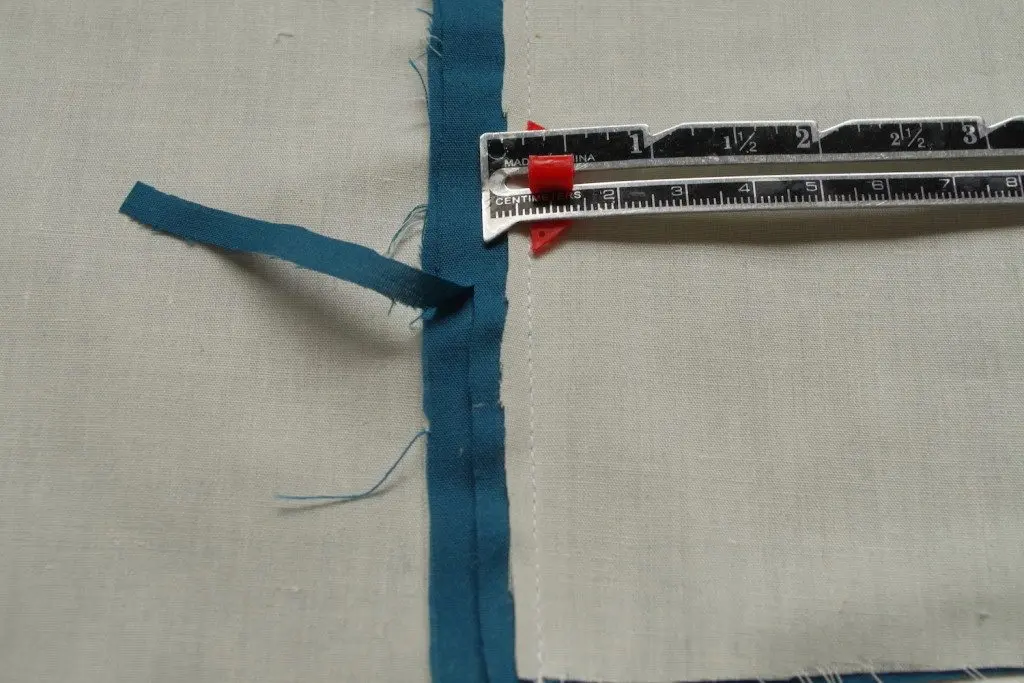
Grading means trimming seam allowances to different widths so they do not all end at the same point.
This reduces the accumulation of material and helps the finished seam lie flatter.
The amount removed depends on the fabric and construction. Care should be taken not to weaken the seam or compromise its durability.
3. Stagger Seam Intersections Where Possible
When several seams meet at exactly the same point, the combined thickness can become difficult to manage.
Where the design permits, seam positions can be planned to avoid unnecessary overlap.
This should be considered during pattern development rather than corrected only after sewing.
4. Choose Appropriate Seam Construction
Different seam types produce different thickness levels.
Enclosed seams, flat-felled seams, bound seams, and overlocked seams each have their own construction characteristics.
For example, a flat-felled seam can provide a durable finish but may add thickness. A lighter seam finish may be more suitable in areas where low bulk is important.
The choice should match the garment’s function and fabric.
5. Use Pressing to Improve the Finish
Pressing helps control seam allowances and improve the appearance of intersections.
Depending on the construction, allowances may be pressed open, to one side, or in different directions.
A suitable pressing technique can help reduce visible ridges and make the garment lie more smoothly.
6. Consider Fabric Thickness
Heavy fabrics naturally create more bulk than lightweight fabrics.
When designing garments from thick materials, seam intersections may need simpler construction or reduced layer overlap.
For layered workwear and outerwear, this is especially important around collars, pockets, and sleeve connections.
7. Inspect Both Sides of the Garment
The outside should be checked for visible bumps, uneven lines, and distorted shapes.
The inside should also be inspected to ensure that seam allowances are secure and do not create uncomfortable hard edges.
Conclusion
Seam intersections are small but important areas in garment construction. By grading allowances, planning seam positions, selecting suitable construction methods, and controlling fabric layers, custom apparel suppliers can produce cleaner and more comfortable garments.

