
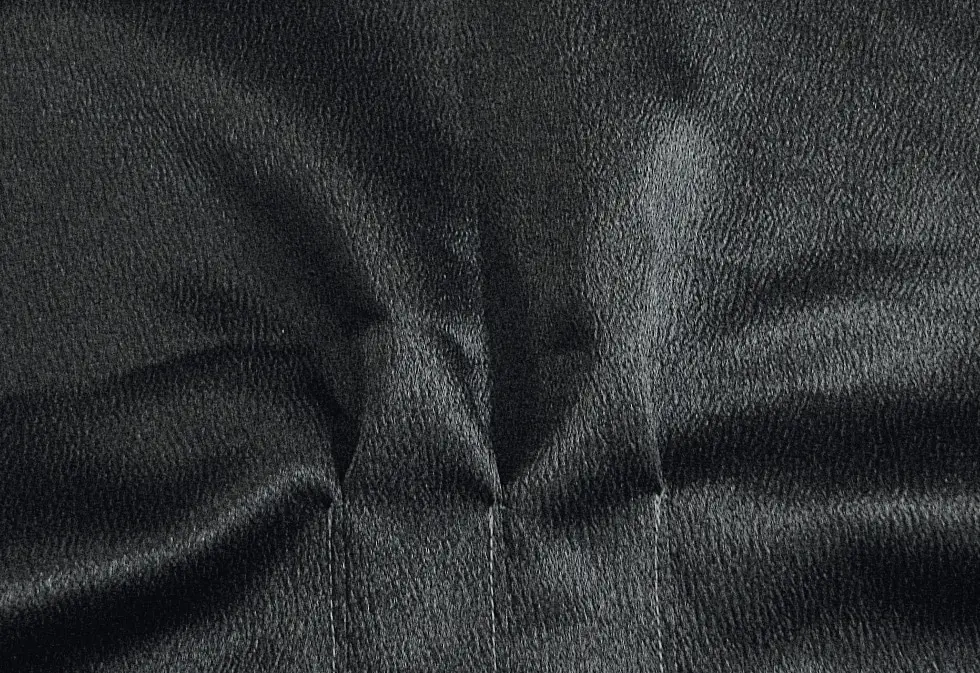
Pleats are more than decorative folds. They can create additional room for movement, introduce volume, and change the overall silhouette of a garment. In custom clothing, the type, depth, and position of each pleat should be carefully considered to achieve the intended design.
For apparel suppliers, understanding pleat construction helps ensure that the finished garment looks balanced and performs as expected.
1. Understand Different Pleat Types
Different pleat structures create different visual effects.
- Knife pleats: A series of folds facing the same direction, often used for skirts and uniform designs.
- Box pleats: Two folds facing away from each other, creating a wider, structured appearance.
- Inverted pleats: Two folds facing inward, creating a clean outer surface with fullness underneath.
- Accordion pleats: Narrow, repeated folds that create a flexible and flowing appearance.
The choice should depend on the garment’s intended silhouette and the amount of movement required.
2. Determine the Correct Pleat Depth
Pleat depth affects both appearance and fabric consumption. Shallow pleats create a subtle effect, while deeper pleats provide more fullness and a stronger visual feature.
However, deeper pleats also introduce more fabric layers. This can create bulk around waistbands, seams, or other joining areas.
The fabric allowance should therefore be calculated before cutting rather than estimated during sewing.
3. Consider Fabric Weight and Recovery
Not every fabric holds pleats equally well.
Medium-weight woven fabrics may maintain structured folds more easily, while lightweight materials can produce softer pleats. Stretch fabrics may behave differently because their elasticity affects how folds open and return to position.
The fabric should be tested for pressing response, crease retention, and recovery after movement or washing.
4. Plan Pleat Placement Around the Body
Pleats should be positioned according to the garment’s shape and intended function.
For example, pleats near the waist can provide fullness below the waistline. Back pleats on shirts can provide additional movement across the upper body. Pleats in skirts or trousers can change the distribution of volume.
Their position should also be coordinated with pockets, seams, and other garment details.
5. Keep Pleats Consistent During Construction
Uneven fold widths or inconsistent directions can make a garment look untidy.
Marking fold lines and placement lines accurately helps maintain consistency. Temporary stitching can hold the folds in place before they are permanently secured.
Pressing is also important. Use a suitable temperature and pressing method for the fabric to avoid shine, distortion, or damage.
6. Check Pleats After Movement and Care
A pleated garment should be inspected after being worn and, where appropriate, after washing.
Check whether the folds remain balanced, whether the fabric pulls at the attachment points, and whether the pleats open naturally during movement.
For garments that require permanent pleats, the fabric and finishing method should be evaluated together.
Conclusion
Pleat design combines visual styling with practical garment construction. Choosing the right pleat type, depth, fabric, and placement helps custom apparel suppliers create garments that maintain their intended shape while allowing comfortable movement.

