Comfort is an important consideration in custom workwear, sportswear, and uniforms worn for extended periods. Even when a fabric is breathable, the garment’s overall construction can influence how effectively heat and moisture move away from the body.
Ventilation panels, mesh inserts, and strategically positioned openings can help improve airflow. Their effectiveness, however, depends on placement, material selection, and garment construction.
1. Understand the Purpose of Ventilation Panels
Ventilation panels are garment sections designed to support air circulation.
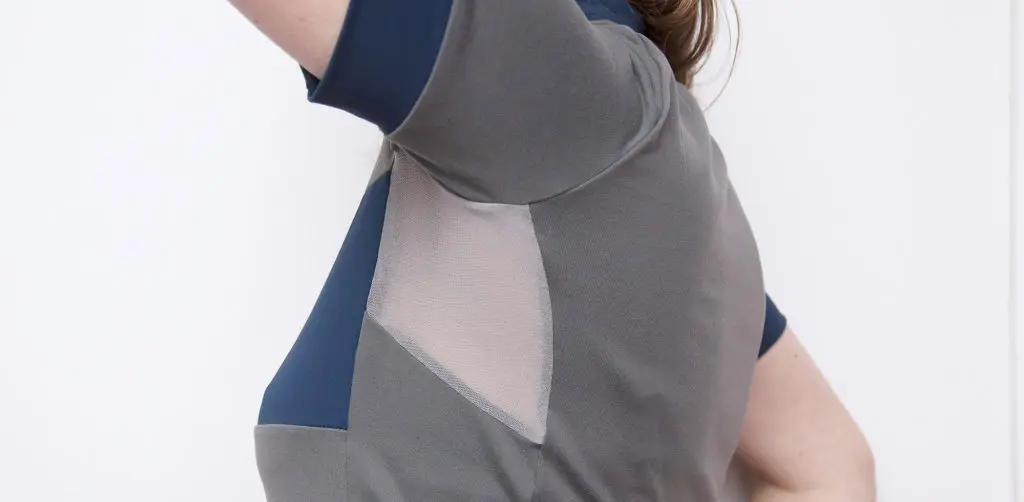
They may use mesh fabric, perforated materials, or specially constructed openings. Depending on the garment, these details can be placed beneath the arms, along the sides, across selected back areas, or in other locations where additional airflow is useful.
The purpose is not simply to add a decorative mesh section. The design should address the wearer’s actual comfort needs.
2. Select Suitable Locations
Ventilation placement should be based on garment use and body movement.
For example:
- Underarm areas: Can help release accumulated heat in garments with suitable construction.
- Side panels: Can provide additional airflow while following the natural garment shape.
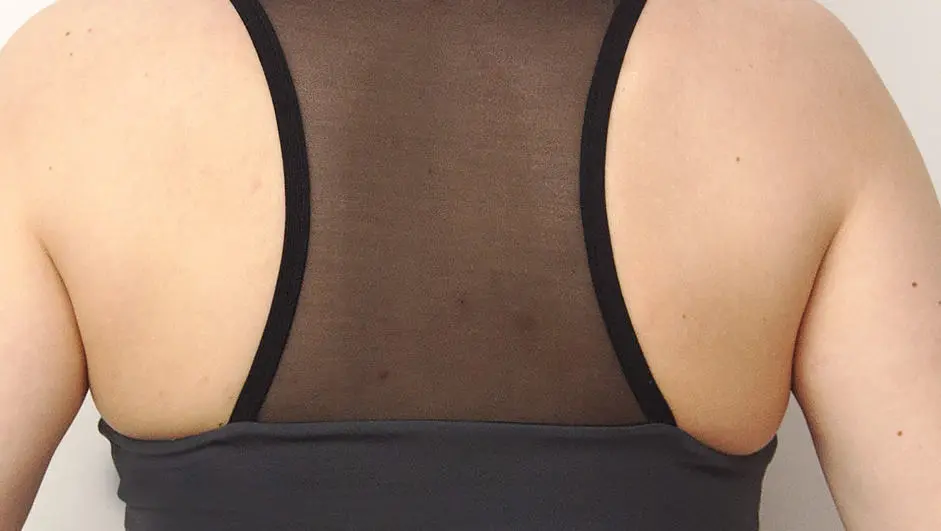
- Upper-back areas: May help improve ventilation in certain workwear and sportswear designs.
- Other movement zones: Should be evaluated according to the garment’s fit and intended activity.
The best location depends on the garment type, fabric, and expected wearing conditions.
3. Choose Compatible Materials
Mesh and main-body fabrics should be evaluated together.
Important considerations include stretch, weight, durability, surface feel, and washing behavior. If the materials respond differently to tension or laundering, the panel may become distorted or create unwanted pulling.
Color and transparency also matter. A mesh insert should complement the garment’s appearance and provide an appropriate level of coverage.
4. Consider Panel Shape and Seam Construction
Ventilation panels can be integrated into side seams, back panels, or shaped garment sections.
Curved inserts may require more careful pattern development than simple rectangular sections. The surrounding fabric should be stable enough to support the insert without puckering or twisting.
Seam allowances and finishing methods should also be suitable for the materials being joined.
5. Balance Airflow and Coverage
More openings do not automatically mean better clothing.
Large or poorly positioned mesh sections may affect coverage, durability, appearance, or protection from environmental conditions.
For uniforms and workwear, designers should consider the actual working environment. If the garment has protective requirements, ventilation features must not compromise those requirements.
6. Test the Garment Under Realistic Conditions
A ventilation design should be evaluated while the garment is being worn.
Check whether the panels remain in position during movement, whether seams create irritation, and whether the material feels comfortable after extended wear.
For active garments, movement tests can help identify whether the ventilation areas remain functional when the wearer walks, reaches, bends, or performs other activities.
Conclusion
Ventilation panels can improve the comfort and functionality of custom clothing when they are properly designed. For custom apparel suppliers, the key is to coordinate panel placement, fabric compatibility, seam construction, and garment coverage rather than treating mesh inserts as purely decorative details.