Introduction
Some areas of a garment need more support than the main fabric can provide on its own.
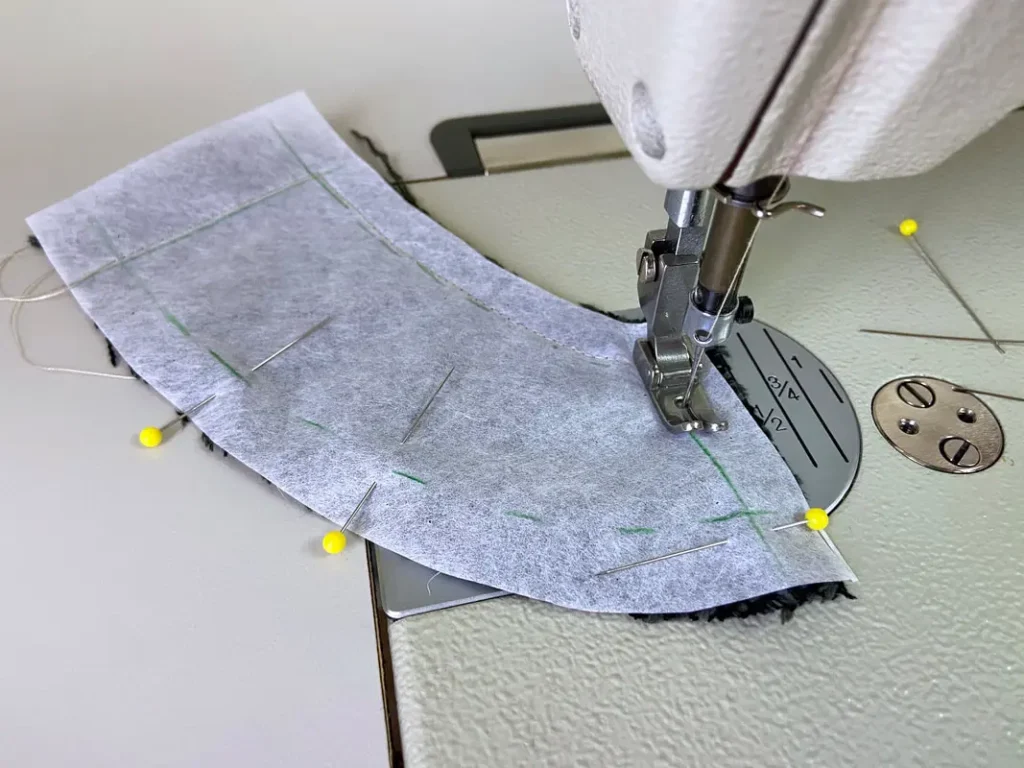
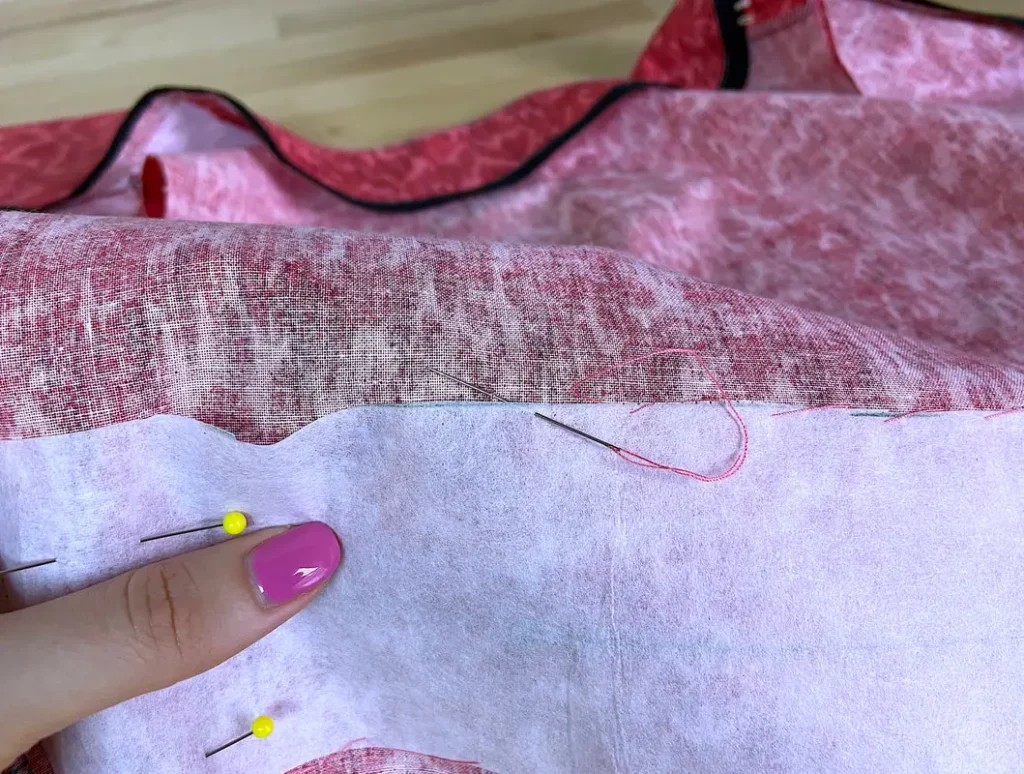
Interfacing is an additional layer placed between or behind garment fabric to help stabilize, reinforce, or shape selected areas. It is commonly used in structured clothing such as shirts, jackets, tailored garments, and uniforms.
Although interfacing is usually hidden inside the garment, its effect can be seen and felt from the outside.
The wrong interfacing may make a soft fabric feel rigid, create visible bubbling, or change the way a garment hangs. Selecting a suitable type is therefore an important part of custom garment development.
1. Understand the Main Types of Interfacing
Interfacing is available in different constructions.
Common types include:
- Woven interfacing: Has a woven structure and a defined grain direction.
- Nonwoven interfacing: Made from bonded fibers and generally does not have the same grain structure as woven materials.
- Knit interfacing: Offers varying degrees of flexibility and is often considered for stretch fabrics.
Interfacing can also be classified by how it is attached.
Fusible interfacing uses heat and pressure to bond with the garment fabric. Sew-in interfacing is attached through stitching rather than adhesive bonding.
The right choice depends on the garment material, construction area, and desired result.
2. Match Interfacing Weight to the Main Fabric
Interfacing should support the main fabric without overpowering it.
If it is too heavy, the garment may become stiff or bulky. If it is too light, it may fail to provide enough support.
A useful starting point is to compare the weight and drape of the interfacing with the garment fabric.
Suppliers should place the materials together and evaluate how they behave as a combined layer.
The decision should consider not only fabric weight but also flexibility, thickness, and the garment’s intended silhouette.
3. Consider the Required Level of Firmness
Different garment areas need different levels of support.
A structured jacket may require firmer reinforcement in selected areas, while a soft shirt may need a more flexible material.
For example:
- A tailored front panel may need additional body.
- A pocket flap may need enough support to retain its shape.
- A lightweight garment may require a softer solution.
- A stretch fabric may need an interfacing that does not unnecessarily restrict movement.
The aim is to provide the required structure without making the garment uncomfortable.
4. Check Compatibility With Stretch Fabrics
Stretch fabrics require particular attention.
If a highly flexible knit fabric is combined with a rigid interfacing, the reinforced area may behave differently from the rest of the garment.
This can cause pulling, visible distortion, or a loss of flexibility.
For stretch garments, suppliers should evaluate whether a knit or otherwise compatible interfacing is more appropriate.
The stretch direction and recovery of both materials should be considered before finalizing the construction.
5. Test Fusible Interfacing Before Production
Fusible interfacing can be efficient, but its performance depends on the fabric and the bonding conditions.
Heat, pressure, and application time should be suitable for the materials being combined.
Potential problems include:
- Bubbling or poor adhesion.
- Adhesive showing through the fabric.
- Changes in surface texture.
- Excessive stiffness.
- Distortion after washing or care treatment.
A small test sample should be prepared before using the selected interfacing throughout the garment.
The sample should be checked after bonding and, where appropriate, after the intended care process.
6. Consider Color and Surface Appearance
Interfacing is often hidden, but it can still influence the garment’s external appearance.
This is particularly important with white, light-colored, thin, or semi-transparent fabrics.
A dark or strongly contrasting interfacing may be visible through the outer material. Even when the color is suitable, an overly thick layer can create a noticeable outline.
Suppliers should evaluate the material combination under consistent lighting and from the outside of the garment.
7. Match Care Requirements
The interfacing should be compatible with the garment’s intended care method.
If the outer fabric is washable but the interfacing cannot tolerate the same treatment, the finished garment may lose its shape or develop defects.
For corporate uniforms that are washed frequently, durability and care compatibility should be considered from the beginning.
The complete garment should be tested according to the intended washing or cleaning conditions.
8. Avoid Using the Same Interfacing Everywhere
A garment may contain several areas that require different levels of support.
Using one interfacing type throughout the entire garment may not produce the best result.
A supplier may need to select different materials for different sections according to their function, thickness, and desired flexibility.
The final combination should be evaluated as a complete garment to avoid inconsistent stiffness or visible transitions.
Conclusion
Interfacing is an important but often overlooked part of custom clothing construction. Its weight, structure, flexibility, color, and care compatibility can all influence the final garment.
For B2B apparel suppliers, selecting interfacing should be treated as a material-engineering decision rather than a routine accessory choice. Proper testing helps ensure that the finished garment has the right balance of structure, softness, and comfort.