
Introduction
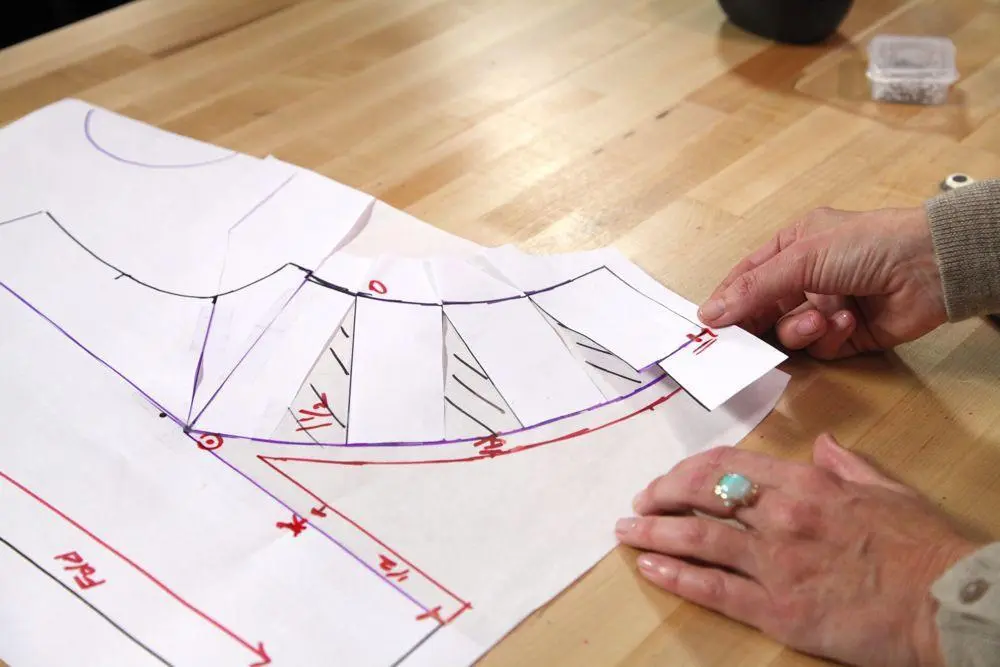
A garment made from flat fabric does not automatically follow the shape of the human body. Pattern shaping is needed to create room around the bust, waist, hips, shoulders, and other body contours.
Darts and princess seams are two common techniques used to achieve this shaping.
For custom corporate shirts, fitted jackets, dresses, and other structured garments, choosing the right method can influence both appearance and comfort.
1. Understand How Darts Work
A dart is created by folding and stitching a section of fabric so that the garment takes on a three-dimensional shape.
Darts are commonly used around the bust, waist, back, and other areas where the garment needs to follow the body’s contours.
They can help:
- Reduce excess fabric.
- Create a closer fit around the waist.
- Shape the front of a garment.
- Improve the fit around the back.
- Control fabric fullness in specific areas.
The dart should be positioned according to the garment’s intended fit and the body area it is designed to shape.
2. Understand Princess Seams
Princess seams create shaping through curved garment seams rather than a folded dart.
They commonly extend from the shoulder or armhole toward the waist, passing through the area that requires shaping.
This construction can create a smooth, continuous silhouette. It is often used in fitted dresses, blazers, tailored jackets, and other garments where a more defined shape is desired.
Because the shaping is built into separate pattern pieces, the garment may offer more opportunities to adjust individual sections.
3. Compare the Visual Results
Darts and princess seams can produce similar shaping, but their visual effects are different.
Darts usually create a relatively subtle shaping point. When properly constructed, they can be less noticeable in the finished garment.
Princess seams create visible vertical or curved seam lines. These lines can become part of the garment’s design and can help emphasize its silhouette.
For custom corporate apparel, the choice may depend on whether the desired style is simple and understated or more structured and tailored.
4. Consider Fabric Characteristics
Fabric choice influences how shaping techniques behave.
A lightweight fabric may show puckering or distortion if darts are not sewn and pressed carefully.
A fabric with more body may hold a shaped seam clearly, but excessive thickness can make curved seams difficult to handle.
Patterned fabrics require additional consideration. Darts can interrupt stripes or checks, while princess seams create multiple panel edges that may need visual alignment.
Suppliers should evaluate the chosen construction using the actual garment fabric whenever possible.
5. Check Dart Position and Length
A dart should shape the garment without creating an unwanted point or visible distortion.
Its position, length, and width should be appropriate for the intended body shape and garment style.
For example, a bust dart should provide shaping toward the bust area without ending directly at the most prominent point. A waist dart should reduce excess fabric while maintaining a smooth transition through the torso.
Incorrect dart placement can cause pulling, wrinkles, or an unnatural silhouette.
6. Control Curved Princess Seams
Princess seams require accurate pattern matching and careful sewing.
Because the adjoining pieces have different curves, they must be aligned correctly before stitching. Poor handling may cause puckering or uneven shaping.
Important checks include:
- Matching notches and reference points.
- Ensuring the curved seams are aligned.
- Maintaining consistent seam allowances.
- Avoiding stretching during sewing.
- Pressing the seam to support the intended shape.
The finished seam should follow a smooth curve without visible distortion.
7. Review the Fit Across the Size Range
Shaping details must work across the full size range.
A dart position that works on one sample size may not produce the same visual result on a larger or smaller size. Princess seams also require careful grading so that the garment maintains its intended shape.
Suppliers should review representative sizes and check how the shaping relates to the chest, waist, and overall garment length.
8. Choose Based on the Garment’s Purpose
Neither technique is automatically better.
Darts may be suitable for simpler garments or designs where visible seam lines are not desired. Princess seams may be more appropriate when a defined silhouette or additional panel-based shaping is needed.
The best choice depends on the garment type, fabric, desired appearance, fit requirements, and production method.
Conclusion
Darts and princess seams are important pattern-shaping techniques in custom apparel. Understanding their differences helps suppliers develop garments that follow the intended silhouette while maintaining a clean appearance.
For B2B custom clothing projects, the construction method should be selected according to the garment’s design and intended fit, then evaluated through a properly developed sample.