Introduction
When companies order customized uniforms, attention often focuses on fabric, colors, and branding. Yet the way a garment is assembled can also influence its durability, comfort, and suitability for daily use.
Seams connect the major components of a garment and experience different levels of stress depending on the design and the wearer’s movements. A lightweight office polo and a work jacket, for example, do not necessarily require the same construction approach.
As a custom apparel supplier, we consider seam construction during product development rather than treating it as a detail to resolve only after production begins.
1. Match Seam Construction to the Garment’s Purpose
Different garment areas have different construction requirements. A shoulder seam, side seam, armhole, and trouser crotch may experience different combinations of tension, movement, and abrasion.
For corporate shirts and polo shirts, the construction should balance durability with a clean appearance and comfortable wear. Jackets and workwear may require additional attention to areas exposed to greater mechanical stress.
The appropriate seam depends on the fabric, garment design, intended use, and agreed quality requirements. A more complicated seam is not automatically better; the construction should serve a clear functional purpose.
2. Evaluate Fabric and Sewing Compatibility
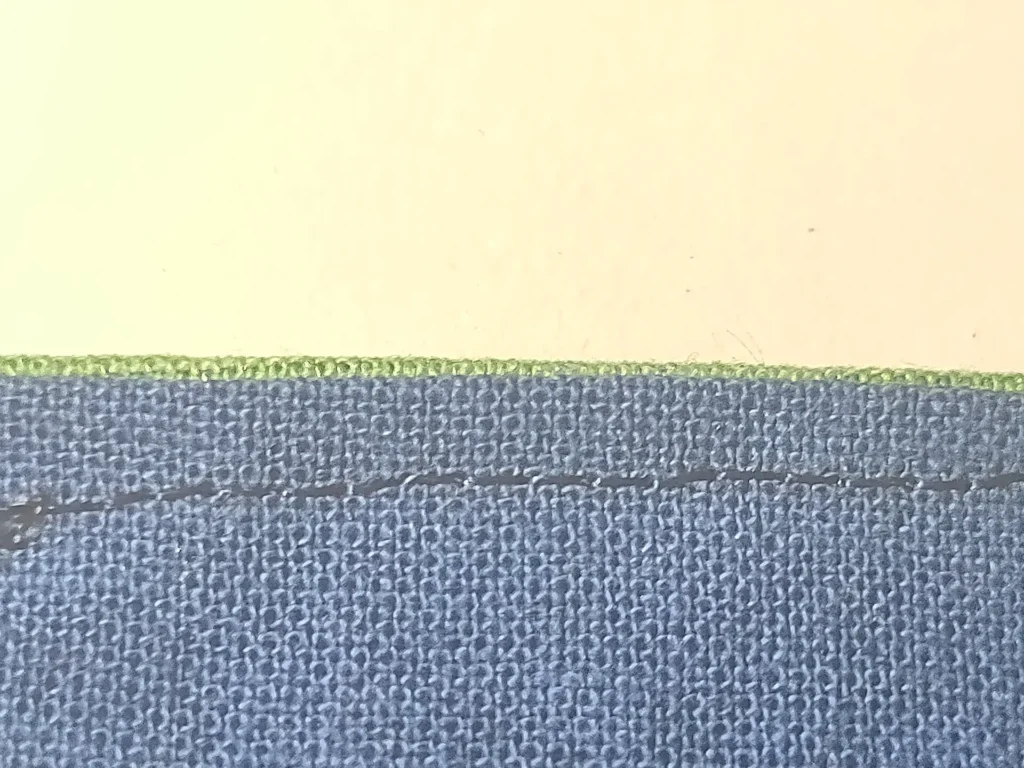
Seam performance depends on more than the sewing thread. Fabric structure, thread characteristics, stitch type, stitch density, seam allowance, and sewing conditions can all influence the finished result.
For example, some woven fabrics may be susceptible to yarn slippage around a seam. In such cases, simply increasing the number of stitches may not solve the underlying problem and could introduce other issues if the fabric is damaged by excessive needle penetration.
Suppliers should therefore evaluate the fabric and proposed construction together. Where the application warrants it, seam-strength or seam-slippage testing can provide more objective information than appearance checks alone.
3. Identify High-Stress Areas During Development
A useful construction review identifies the parts of a garment that are most likely to experience repeated pulling or movement.
Depending on the garment, these may include:
- Shoulder seams and armholes.
- Pocket openings and pocket attachment points.
- Trouser crotch and seat seams.
- Side seams around fitted areas.
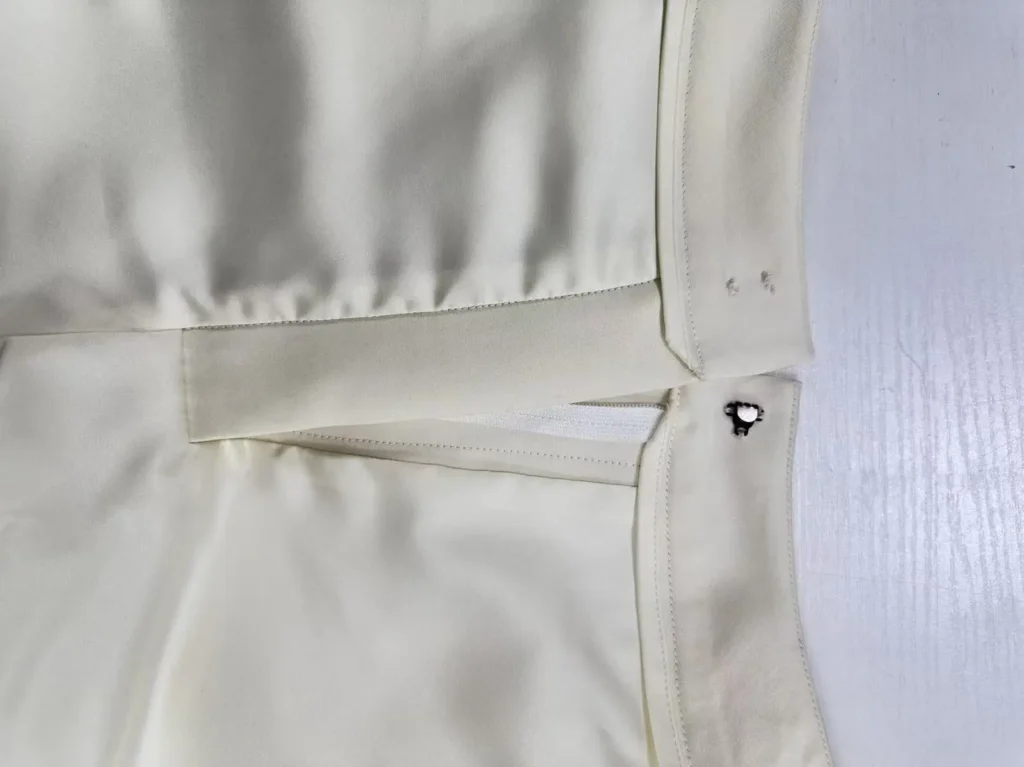
- Attachment points for straps, tabs, or other functional details.
The purpose is not to reinforce every area indiscriminately. Excessive reinforcement can increase bulk, reduce flexibility, or affect appearance. The supplier should choose construction methods that address the actual demands of the garment.
4. Check the Construction on Production Garments
A development sample helps confirm the intended construction, but the bulk-production process must also reproduce it consistently.
Suppliers can establish checkpoints for seam appearance, stitch consistency, skipped stitches, loose thread ends, and construction details that are important to the garment’s function.
For higher-risk applications, representative sewn specimens or completed garments may be evaluated against agreed test requirements. Testing should use an appropriate method and defined acceptance criteria rather than relying on an informal pull test as the sole evidence of performance.
5. Document Construction Requirements Clearly
Construction instructions should identify the seams or areas that require special attention. Technical drawings, construction notes, and approved samples can help production teams understand the intended result.
If a design change affects a seam, the supplier should evaluate whether it changes the garment’s strength, flexibility, appearance, or production method. Any material change should be communicated and approved through the agreed process.
Clear documentation also helps maintain consistency when the same corporate garment is produced again in the future.
Conclusion
Reliable seam construction begins with understanding how a garment will be used. By coordinating fabric properties, seam design, sewing conditions, and inspection requirements, suppliers can help corporate customers receive garments that are appropriate for their intended application. The goal is not simply to add more stitching, but to build each garment with suitable construction and repeatable production standards.