
Introduction
For corporate customers, delivery dates often have a clear business purpose. Uniforms may be needed before a new office opens, a team begins work, or a company event takes place.
Meeting a deadline requires more than estimating the number of days needed to sew the garments. Material sourcing, sample development, customer approvals, production capacity, finishing, inspection, and transportation can all affect the final delivery date.
As a supplier, we plan these stages together rather than treating production as an isolated task.
1. Start With the Required Delivery Date
We first clarify when the garments need to be available and where they must be delivered.
It is important to distinguish between the date the goods leave the factory and the date the customer needs to receive them. International shipments may involve additional transportation, customs clearance, and local delivery time.
We work backward from the customer’s target date to identify the latest feasible dates for material confirmation, sample approval, production, inspection, and dispatch.
The resulting schedule depends on the garment type, order quantity, material availability, and shipping arrangement.
2. Identify the Critical Milestones
A practical production schedule identifies the decisions that must be completed before the next stage can begin.
Typical milestones include:
- Confirmation of garment specifications and quantities.
- Material and trim availability.
- Sample completion and customer approval.
- Bulk-production readiness.
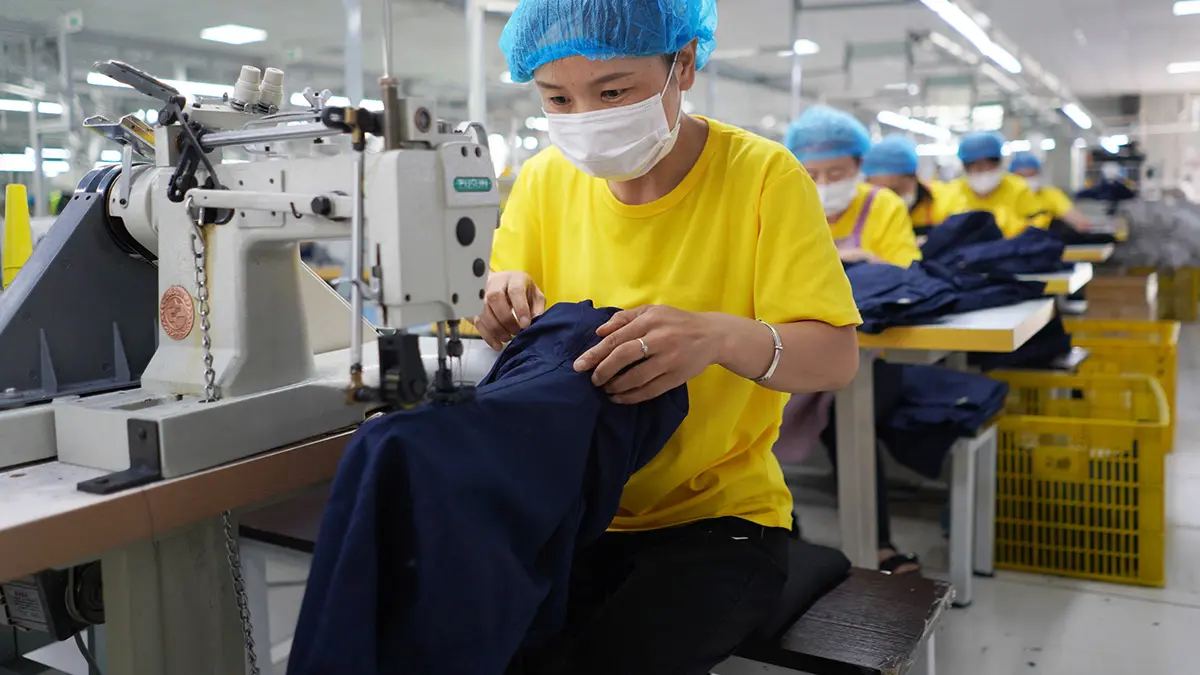
- Cutting, sewing, and decoration.
- Finishing and quality inspection.
- Packing and dispatch.
Not every order follows exactly the same sequence. We adapt the plan to the product and identify which activities depend on customer decisions or external suppliers.
3. Make Approval Deadlines Visible
Customer feedback is an important part of the schedule. Delays in confirming colors, artwork, sizes, or samples may affect the start of bulk production.
We communicate which approvals are needed and when they are required. When a decision is outstanding, we explain the potential impact rather than allowing the issue to remain unnoticed.
For complex projects, a written milestone schedule helps both parties track progress and understand upcoming responsibilities.
4. Check Material and Capacity Constraints Early
Some fabrics and accessories may require longer sourcing times than standard materials. Specialized construction or decoration can also affect production planning.
We review these requirements before confirming the schedule and discuss practical alternatives if a requested deadline appears difficult to meet.
Production capacity must also be considered alongside other orders. A realistic plan should reflect the work involved rather than rely on an optimistic estimate.
5. Monitor Progress and Communicate Changes
During production, we track progress against the agreed milestones and identify issues that could affect the timeline.
If a material delay, approval change, or production problem arises, we assess the impact and communicate the available options. Depending on the circumstances, the customer may choose an alternative material, adjust the delivery plan, or consider phased shipment where feasible.
Any revised commitment should be based on the updated production and logistics situation.
6. Allow Time for Finishing and Dispatch
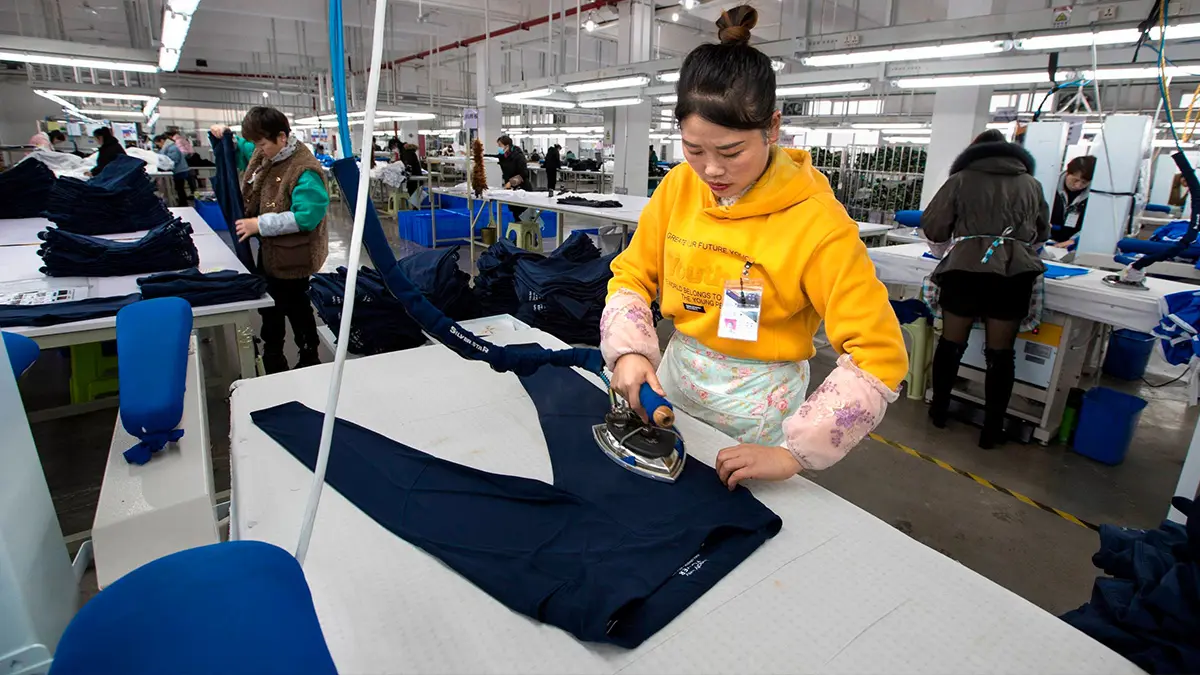
The final sewing operation is not the end of the order. Garments may still need loose-thread removal, pressing, labeling, folding, packing, inspection, and shipment preparation.
We include these activities in the schedule so that the delivery plan reflects the complete order process.
Where international shipping is involved, we also clarify the agreed shipping method and which party is responsible for each logistics stage.

Conclusion
Reliable delivery planning starts with the customer’s actual deadline and works backward through the complete production process. By identifying critical milestones, confirming material availability, tracking approvals, and communicating schedule changes early, an apparel supplier can help corporate customers plan with greater confidence.