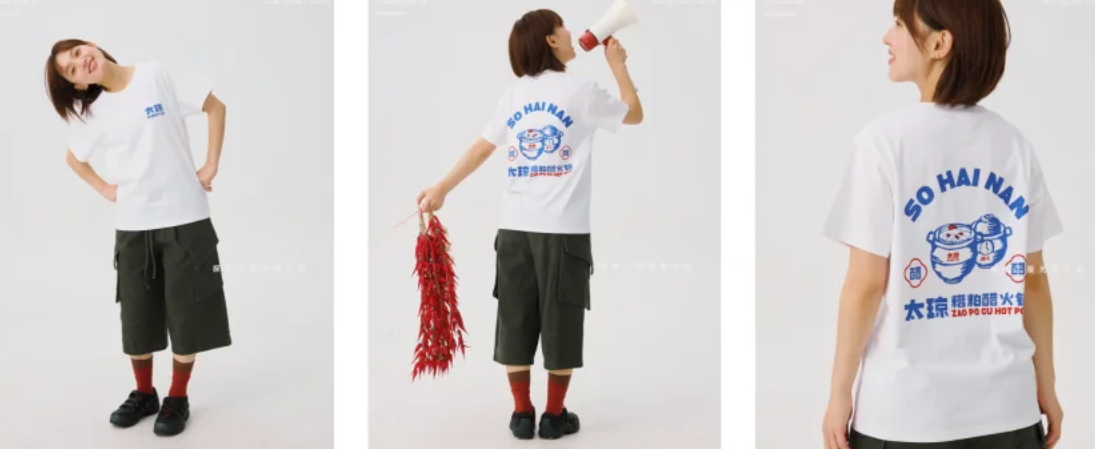
9 Common Garment Printing Techniques Every Apparel Professional Should Know
Garment printing techniques vary significantly in appearance, texture, durability, cost, and production requirements. Understanding the characteristics of each method can help designers, clothing brands, and manufacturers select the right printing process for their products.
1. Basic and Widely Used Printing Techniques
1. Water-Based Screen Printing
Water-based printing produces a thin, watercolor-like finish. After printing, the design is absorbed into the fabric, so there is almost no noticeable thickness when touched.
Advantages:
- Breathable and soft
- Relatively inexpensive
- Suitable for large designs on light-colored garments
Disadvantages:
- Cannot effectively cover dark-colored fabrics
- Limited color options, usually no more than five colors
Best suited for:
White T-shirts, lightweight cotton tops, and large-area patterns.
2. Plastisol Printing
Plastisol printing creates a layer of ink on the surface of the fabric. The printed area feels slightly thick and elastic.
Advantages:
- Produces bright and vibrant colors
- Light-colored designs can be printed on dark fabrics
- Good wash durability
Disadvantages:
- Less breathable
- Can feel relatively stiff
- Large printed areas may feel hot or uncomfortable
Best suited for:
Small logos, brand graphics, lettering, and streetwear designs.
2. High-Definition and Detailed Printing Techniques
3. Heat Transfer Printing
Heat transfer printing uses heat and pressure to transfer a pre-printed design from transfer paper or film onto the garment.
Advantages:
- Produces realistic, photo-quality images
- Suitable for one-off pieces and small custom orders
- Allows highly detailed and multicolored designs
Disadvantages:
- The printed area may feel like a thin layer of plastic
- Designs may crack or peel after repeated washing
- Breathability may be reduced
Best suited for:
Polyester sportswear, customized class T-shirts, event shirts, and small production runs.
4. Direct-to-Garment Printing
Direct-to-garment printing, commonly known as DTG printing, uses a specialized printer to spray textile ink directly into the fabric fibers.
Advantages:
- Soft and breathable finish
- Produces smooth gradients and detailed images
- Performs especially well on cotton fabrics
Disadvantages:
- Higher production cost
- Slower printing speed
- Less economical for large-volume production
Best suited for:
Premium cotton T-shirts, artistic illustrations, and complex full-color designs.
3. Special-Effect Printing Techniques
5. Discharge Printing
Discharge printing uses a special chemical paste to remove part of the fabric’s original dye, revealing a white or colored design.
Advantages:
- Creates a natural, vintage appearance
- Does not add noticeable thickness to the fabric
- Maintains a soft hand feel
Disadvantages:
- The production process is relatively complex
- Color results can be difficult to control
- Higher production cost
Best suited for:
Denim jackets, workwear shirts, vintage-style garments, and dark-colored cotton clothing.
6. Puff Printing
Puff printing uses a heat-activated ink that expands during the curing process, creating a raised, three-dimensional effect.
Advantages:
- Strong three-dimensional appearance
- Soft and slightly elastic texture
- Adds visual interest to simple designs
Disadvantages:
- The raised effect may flatten after repeated washing
- Most suitable for simple, solid-color graphics
- Fine details may not reproduce clearly
Best suited for:
Sportswear slogans, children’s clothing, sweatshirts, and decorative accents.
7. Flock Printing
Flock printing uses an electrostatic process to attach short fibers to an adhesive printed on the fabric. The finished surface has a soft, velvet-like texture.
Advantages:
- Soft and fuzzy hand feel
- Luxurious and visually distinctive appearance
- Creates strong textural contrast
Disadvantages:
- Fibers may shed over time
- Requires careful washing and maintenance
- Not ideal for frequent machine washing
Best suited for:
Winter outerwear, fashion details, stage costumes, lettering, and decorative graphics.
8. Gold and Silver Foil Printing
Foil printing uses heat and pressure to apply metallic foil to the fabric, producing a reflective gold, silver, or metallic finish.
Advantages:
- Bright, reflective, and eye-catching
- Gives garments a premium appearance
- Ideal for decorative logos and statement designs
Disadvantages:
- The foil may peel or wear off over time
- Higher cost for small production quantities
- Requires careful washing
Best suited for:
Festival clothing, fashion collections, streetwear logos, and hip-hop-inspired designs.
9. Embossed Printing
Embossed printing uses heated molds and pressure to compress the fabric and create raised or recessed patterns with a three-dimensional relief effect.
Advantages:
- Striking and highly dimensional appearance
- Creates depth without relying entirely on printed colors
- Modern, fashionable, and visually distinctive
Disadvantages:
- The embossed shape may become distorted after repeated washing
- Relatively high production cost
- Not suitable for every type of fabric
Best suited for:
Streetwear, personalized T-shirts, hoodies, logos, and premium fashion garments.
How to Choose the Right Garment Printing Technique
When selecting a printing method, consider the following factors:
- Fabric composition
- Garment color
- Design complexity
- Desired texture and appearance
- Order quantity
- Production budget
- Wash durability
- Breathability requirements
For example, water-based printing is suitable for soft and breathable designs on light cotton garments, while plastisol printing is more effective for bright graphics on dark fabrics. DTG printing is ideal for detailed artwork and small orders, whereas special-effect techniques such as puff, flock, foil, and embossing can give a garment a more distinctive and premium appearance.
Choosing the correct printing technique not only improves the visual quality of the garment but also affects comfort, durability, production efficiency, and overall cost.
#GarmentPrinting #ApparelManufacturing #TextilePrinting #ClothingProduction #FashionDesign #ScreenPrinting #DTGPrinting #HeatTransferPrinting #ApparelIndustry #GarmentKnowledge